
Last updated September 24, 2026
Free in-home measure and quote - PGT, CGI and CWS impact lines compared on your actual openings, style by style
 Before
 After
After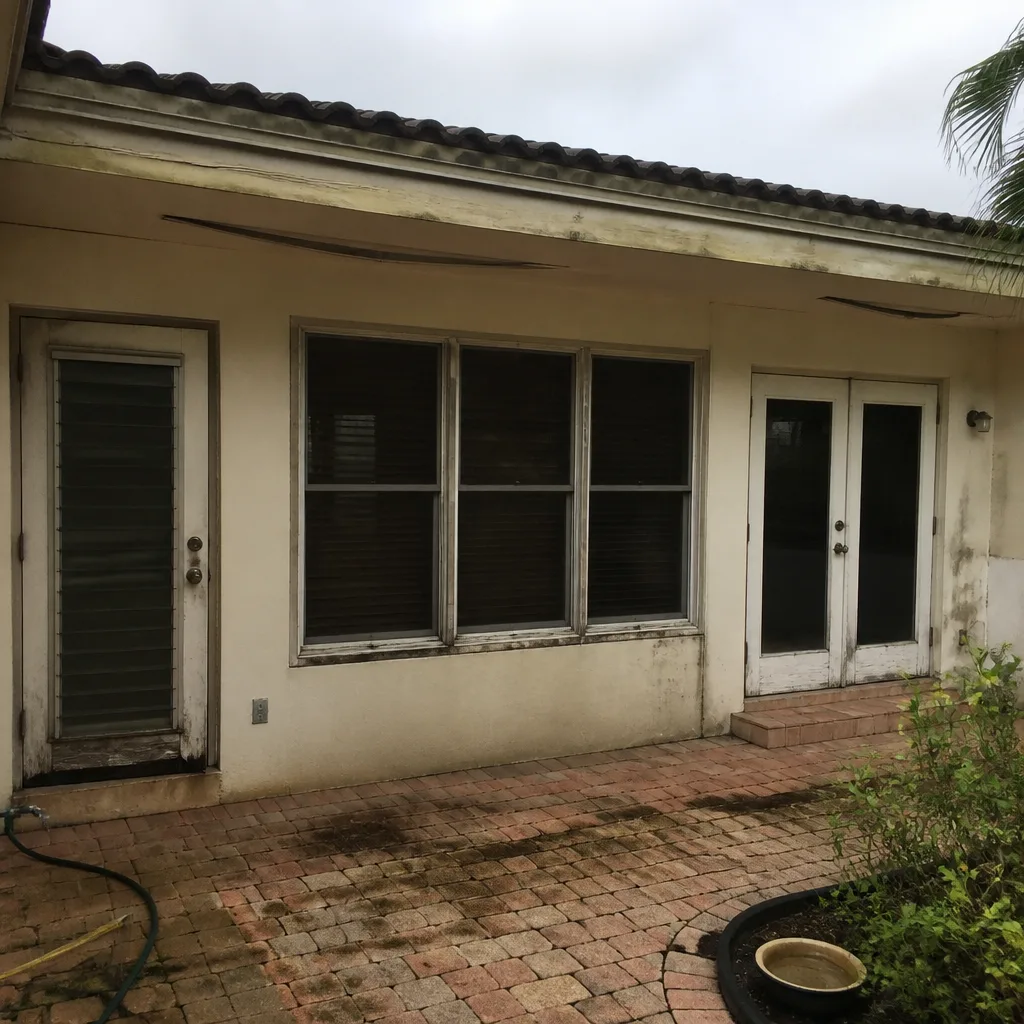 Before
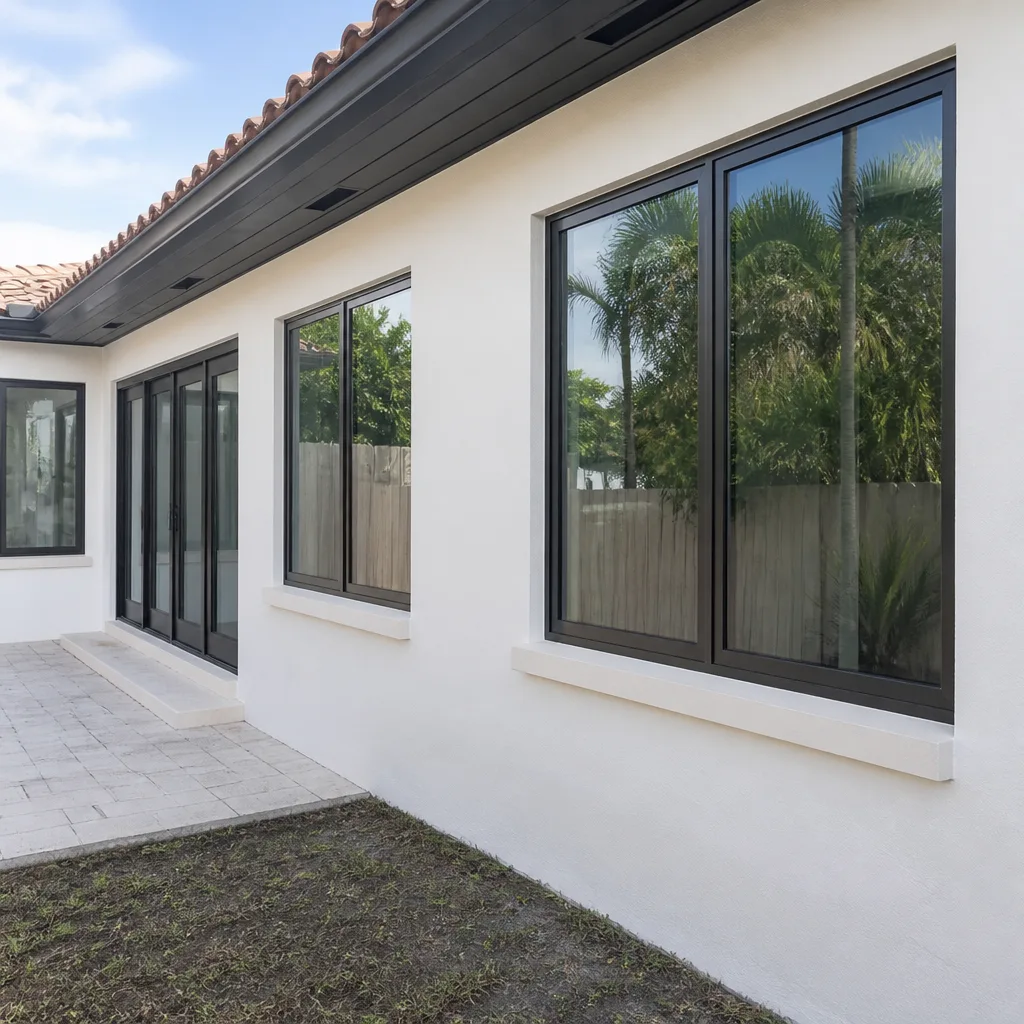 After
After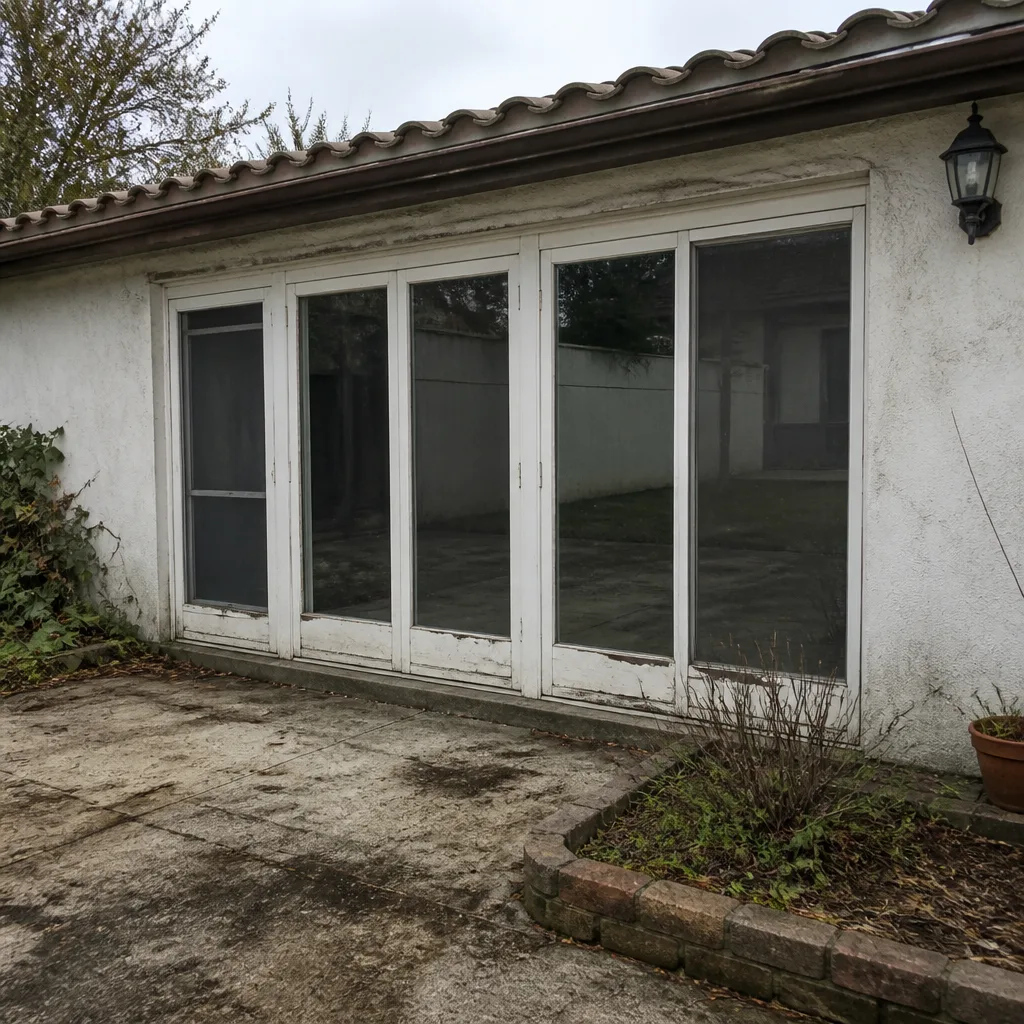 Before
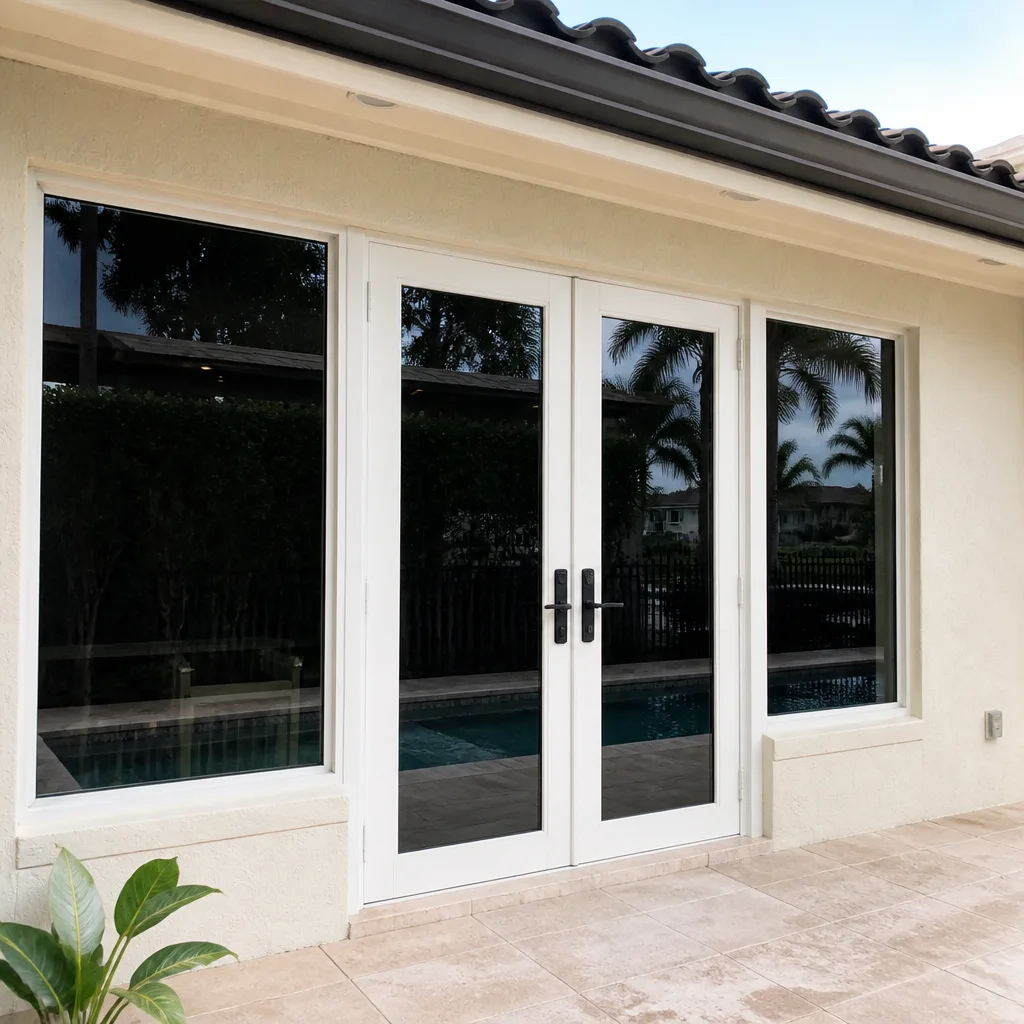 After
AfterWindows & Doors Warning Signs: A Miami Lakes Homeowner’s Reference Guide
A 1/16-inch gap between a window frame and its rough-opening buck is within installation tolerance. A 3/16-inch gap at the same joint after three hurricane seasons indicates anchor pull-out and voids the Miami-Dade structural approval. Visually, both gaps look like “settling.” In Miami Lakes, where the building stock spans 1980s ranch homes in Royal Oaks, 1990s Mediterranean revivals in Miami Lakes West, and newer construction near Main Street, we’ve found that most window and door failures announce themselves through specific, measurable symptoms that homeowners dismiss as normal aging. This guide pairs each visible warning sign with its underlying failure mechanism and a documented decision threshold, so you know whether you’re looking at a $200 sealant repair or an $8,000 structural replacement. For a deeper dive into all the factors involved, see our Complete Guide to Windows & Doors in Miami Lakes.
Quick Answer
The critical warning signs that a Miami Lakes window or door needs professional evaluation are: frame gaps exceeding 1/8 inch (indicating anchor migration), interior water stains below the sill corner (not the header), impact-door multi-point lock misalignment requiring shoulder pressure to latch, and sealant cracks where the substrate is visible beneath. Cosmetic surface cracking and minor hardware looseness are maintenance items; substrate separation and keeper misalignment are structural concerns that affect code compliance and storm protection.
Table of Contents

- Frame-Gap Progression: Measuring Anchor-Point Migration
- Sealant Failure Taxonomy: Cosmetic, Repair, or Replace
- Water-Stain Mapping: Reading Stain Location for Source Identification
- Impact-Rated Multi-Point Lock Failures
- When the Warning Sign Is a Documentation Problem
- Climate-Specific Accelerators in Miami Lakes
- Common Mistakes to Avoid
- When to Call a Professional
- Frequently Asked Questions
 Before
 After
AfterFrame-Gap Progression: Measuring Anchor-Point Migration
The single most expensive diagnostic error we see in Miami Lakes homes is mistaking frame-gap growth for “house settling.” Florida’s sandy soils and seasonal water table fluctuations do cause minor structural movement. But window and door frames are anchored to the rough opening with specific fasteners designed to maintain structural integrity under hurricane loads. When those anchors migrate, the gap between frame and buck (the rough-framing member) widens predictably.
Here’s how to measure it properly:
- Obtain a feeler gauge set from any hardware store. You’ll need blades from 0.010 inch (1/64) to 0.250 inch (1/4).
- At each corner of the window or door, insert the gauge blade vertically between the frame exterior and the interior wall surface. Do not measure against trim; measure against the frame itself.
- Record four measurements per opening: top left, top right, bottom left, bottom right.
- Compare opposite corners. A gap that exceeds 1/8 inch (0.125) at any single point, or differs by more than 1/16 inch between adjacent corners, indicates anchor-point migration.
- Check for diagonal pattern: widening at top left and bottom right (or vice versa) suggests frame racking, which compromises the opening’s ability to resist wind pressure.
The critical threshold in Miami-Dade County is 3/16 inch. At that measurement, the opening no longer meets the structural approval under which the window was originally installed. This is not a maintenance issue. The fastener has pulled from the substrate, or the substrate itself has degraded. In either case, the assembly cannot be presumed to perform under design wind load.
We’ve documented this specifically in Royal Oaks, where 1980s block construction with original Jalousie window replacements often shows anchor migration after the second or third major storm cycle. The homeowners believe the trim has shifted. The frame has separated from the structure.
If your measurement exceeds 1/8 inch, the opening requires a structural re-inspection. This involves removing interior trim to assess anchor condition, rough-opening integrity, and whether the original fasteners were appropriate for the substrate. Window replacement in Miami Lakes becomes necessary when the rough opening itself has degraded or when the original installation lacked proper embedment depth.
Sealant Failure Taxonomy: Cosmetic, Repair, or Replace
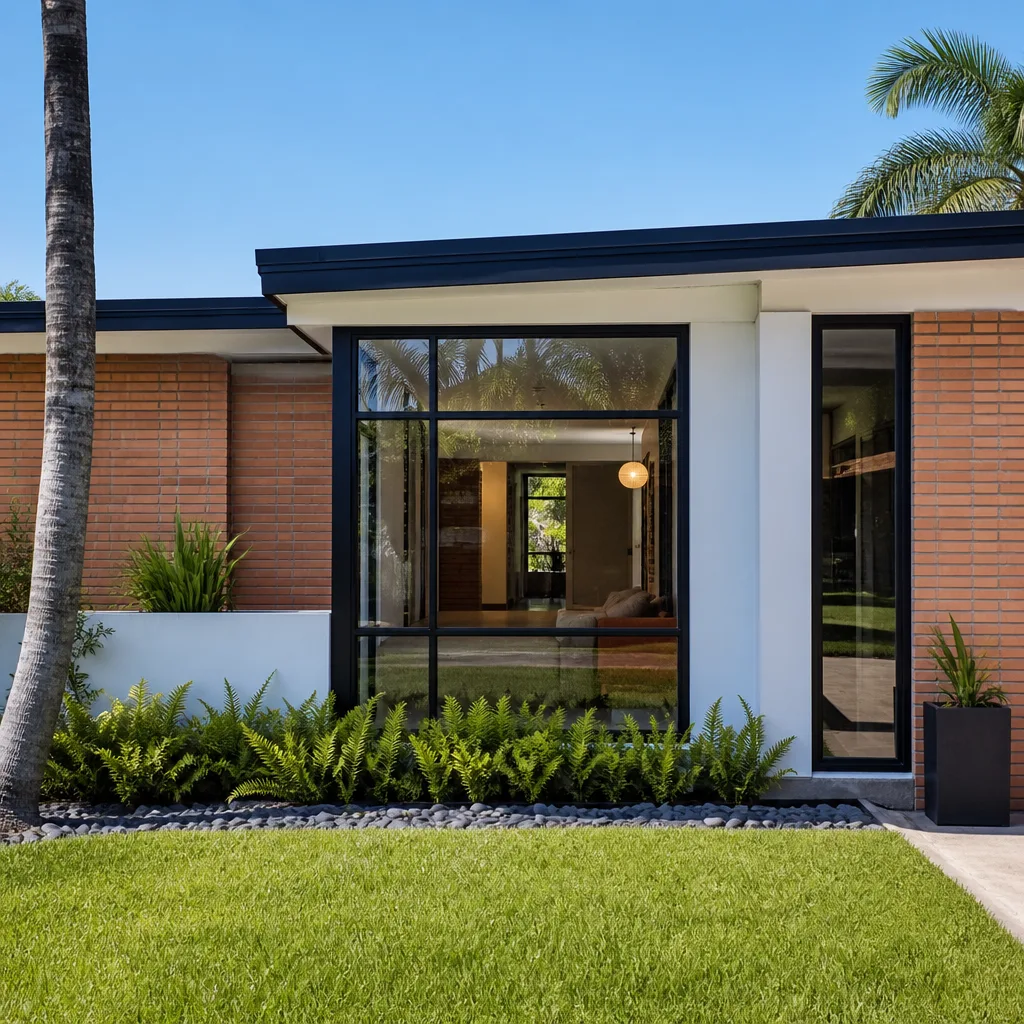
Not every crack in window sealant means the same thing. We’ve developed a three-category system based on what the crack reveals about the substrate beneath. Misdiagnosing sealant failure costs Miami Lakes homeowners thousands in unnecessary replacements, or leaves them with ongoing water intrusion they believe they’ve fixed.
Surface Cracking (Cosmetic)
The sealant bead shows hairline cracks in its exposed surface, but the crack does not penetrate to full depth. When you flex the adjacent frame slightly, the crack does not propagate. The sealant remains bonded to both the frame and the wall substrate on both sides. This is UV degradation of the sealant skin. Cost to address: $150-$300 for removal and reapplication of compatible sealant. No structural concern.
Visual descriptor: The crack resembles dried mud, with no visible gap beneath. A toothpick pressed into the crack stops at the underlying intact sealant layer.
Adhesion Loss (Repair)
The sealant has detached from one substrate, typically the frame or the wall, creating a visible gap you can probe with a putty knife. The sealant material itself remains flexible and intact, but the bond has failed. This is usually a surface-preparation error from the original installation, or incompatibility between sealant and substrate (common with certain aluminum finishes or painted surfaces).
Visual descriptor: The sealant bead lifts away cleanly, revealing a smooth, unbroken surface beneath. The detached sealant is pliable, not brittle.
Repair requires removing all failed sealant, abrading both substrates, applying compatible primer, and reinstalling with a backer rod and proper tooling. Cost: $300-$600 per opening. This repair restores water integrity if caught before substrate damage occurs.
Substrate Separation (Replace)
The sealant crack penetrates through to visible substrate, and the substrate itself is compromised: crumbling stucco, rotted wood buck, corroded aluminum frame edge, or degraded drywall return. This indicates water has penetrated beyond the sealant and damaged the structural components of the opening.
Visual descriptor: Probing the crack with a screwdriver tip reveals soft, discolored, or friable material beneath. The gap widens when you apply gentle pressure to the frame.
This is no longer a sealant problem. The opening requires disassembly, substrate repair or replacement, and reinstallation with proper flashing integration. In Miami Lakes, where the wet season delivers 60+ inches of annual rainfall and afternoon convection cells drive water into every microscopic breach, substrate separation often means the rough opening has been wet for multiple seasons. Cost: $2,500-$6,000 depending on opening size, substrate material, and whether impact-rated replacement is required.
We’ve replaced units in Miami Lakes West where the homeowner had recaulked the same window three times in four years. The stucco return behind the sealant had eroded to powder. Each recaulking sealed water in, accelerating the damage.
Water-Stain Mapping: Reading Stain Location for Source Identification
Interior water stains near windows and doors follow predictable patterns based on leak source. Learning to read stain location saves diagnostic time and prevents misdirected repairs.
| Stain Location | Typical Source | Repair Approach | Cost Range |
|---|---|---|---|
| Top of window frame, centered or spread across header | Glazing tape failure or glass-to-frame seal breach | Reglaze or replace insulated glass unit (IGU) | $400-$1,200 |
| Bottom corner of window, either side of sill | Sill flashing defect or weep system blockage | Remove sill, inspect flashing, clear weeps, reinstall | $600-$2,000 |
| Stain on wall below window, not touching frame | Rough-opening seal failure or exterior wall breach above | Opening disassembly, substrate repair, reflash, reinstall | $2,500-$6,000 |
| Door threshold or adjacent floor, extending inward | Threshold seal, sill pan, or subfloor integration failure | Threshold replacement, sill pan installation, subfloor assessment | $1,500-$4,500 |
| Stain at lock side of door, vertical pattern | Weatherstrip compression set or frame gap at strike | Weatherstrip replacement, latch adjustment, or frame realignment | $200-$800 |
The distinction between header stains and sill-corner stains is particularly important in Miami Lakes. Our afternoon rain events drive water upward against window heads through wind pressure, but sustained leaks at the sill corner indicate a chronic condition, often related to weep system failure in original construction. In homes near the Miami Lakes Golf Club and along Royal Palm Avenue, we’ve found that 1990s-era installations frequently omitted sill pan flashing entirely, relying on sealant at the sill-to-frame joint. When that sealant fails, water enters the wall cavity directly.
Stain color provides secondary information. Brown or yellow staining indicates long-term water contact with wood or drywall, suggesting the leak predates the visible stain by months or years. Dark gray or black staining with surface texture indicates mold colonization, which in Miami Lakes’ humidity can establish within 48-72 hours of sustained moisture. Fresh water stains that appear light tan and dry within days suggest a recent breach, often from a single storm event or wind-driven rain through a newly failed seal.
If you observe staining at the rough-opening level (wall below the window, not the frame itself), window installation in Miami Lakes requires proper integration with the water-resistive barrier and flashing system. This is not a component-level repair.
Impact-Rated Multi-Point Lock Failures
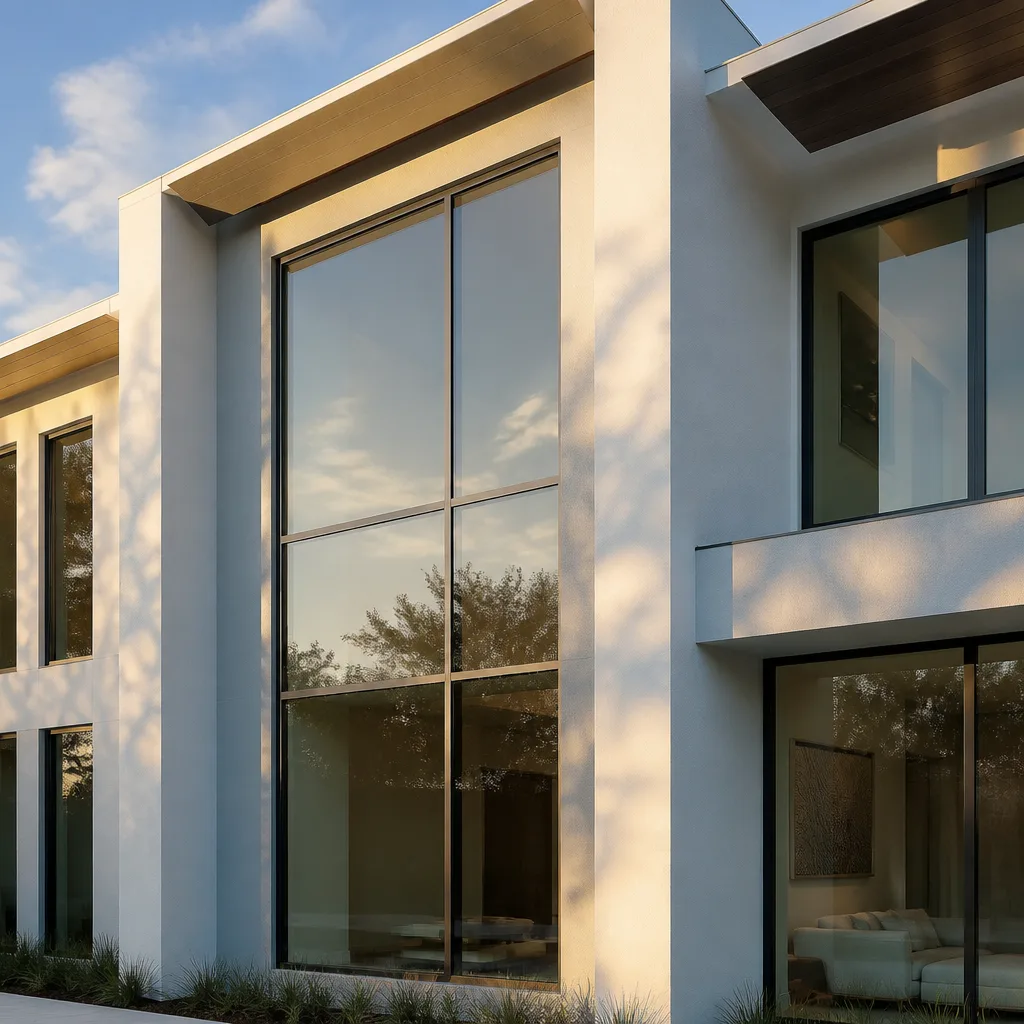
Miami-Dade County requires impact-rated openings for all new installations and most replacements. These assemblies depend on multi-point locking systems, typically with three to five locking points along the door height. Three distinct failure modes precede complete latch failure, and each presents differently.
Keeper Misalignment
The door requires increased pressure to latch, or the handle must be lifted with deliberate force while turning. The lock bolts engage, but with friction. This indicates the door panel has shifted within the frame, or the frame itself has racked. The keepers (strike plates) no longer align with the lock bolts at rest.
Check: With the door open, operate the handle and observe the bolts extending. They should move freely and return flush. With the door closed but unlatched, check whether the panel sits parallel to the frame at top, middle, and bottom. A panel that tilts toward the lock side at the top indicates hinge-side anchor migration, common in Miami Lakes after repeated pressure cycling from hurricane bands. If you’re weighing whether to tackle this yourself, our DIY vs Professional Windows & Doors guide can help you decide.
Adjustment requires realigning the panel within the frame, which may involve hinge shim adjustment or anchor correction. If the frame has migrated, this returns to the frame-gap problem above. Cost: $200-$600 for adjustment; $2,000+ if frame replacement is required.
Cam Wear
The handle operates with a grinding or gritty feel, and the bolts extend partially or unevenly. This is mechanical wear in the lock body’s internal cam mechanism, accelerated by salt air corrosion and the high-frequency cycling that Miami Lakes homeowners perform during storm preparation.
Check: Remove the handle set (typically two through-bolts) and inspect the cam slot. Visible metal debris, greenish corrosion, or elongated slot walls indicate replacement is needed. Do not lubricate with oil-based products; they attract grit and accelerate wear. Use only dry graphite or manufacturer-specified lubricant.
Replacement lock bodies for impact-rated doors are component-specific. We source from PGT, CGI, and Therma-Tru depending on the original manufacturer. Cost: $350-$900 for the component, plus installation. Using an incorrect replacement voids the impact rating.
Spring Fatigue
The handle returns to center sluggishly or not at all. The bolts extend but do not retract fully without manual assistance. This indicates spring failure in the lock mechanism, common after 8-12 years in high-cycle environments.
Spring fatigue is progressive. The door still latches today, but the incomplete retraction causes bolt tips to drag against keepers, accelerating wear in both components. Eventually the bolt fails to clear the keeper during closing, and the door cannot be latched without manual bolt retraction.
Replacement is the only remedy. In our experience across Miami Lakes, spring fatigue appears first on south- and west-facing doors, where thermal cycling is most extreme. The expansion and contraction of metal components through 40-degree daily temperature swings in summer degrades spring temper faster than in shaded or north-facing installations.
Door installation in Miami Lakes under the Haven Standard includes verification of multi-point lock operation across full bolt travel, documented in the photo record we provide.
When the Warning Sign Is a Documentation Problem
Some symptoms that appear to be physical defects are actually compliance failures traceable to permit records. Before scheduling invasive diagnostics, verify three items in county documentation.
- Product Approval Match: Every impact-rated window and door installed in Miami-Dade County must carry a Florida Product Approval or Miami-Dade Notice of Acceptance (NOA). The NOA specifies exact product series, size limitations, and installation requirements. If your window shows stress cracks at the corners or frame deformation under normal conditions, check whether the installed unit matches the approved product for that opening size. We’ve found mismatched installations in Miami Lakes where a homeowner’s previous contractor substituted a non-impact unit in an impact-required zone, or installed an approved product outside its size limitation. The Miami-Dade Building Code Compliance Office maintains searchable records. A mismatch means the installation was never code-compliant, regardless of physical condition.
- Installation Method Documentation: The NOA specifies fastener type, spacing, and embedment. If you’re observing frame-gap progression, request the original permit drawings to verify whether the installation method matched the approved detail. Common deviations in older Miami Lakes homes include: wood screws into hollow block instead of Tapcon-type anchors into filled cells, insufficient embedment depth in stucco returns, and omission of required backer rod and sealant at frame-to-buck joints. These are installation defects, not product defects, and they affect warranty and insurance coverage.
- Final Inspection Status: Unpermitted work or work that failed final inspection may lack critical components: proper flashing integration, approved anchorage, or operational verification of impact hardware. In Miami Lakes, where the town incorporated building functions with Miami-Dade County, records from before 2000 may be archived rather than digitized. The physical symptom (water intrusion, hardware failure, frame movement) may stem from an uninspected installation that skipped required steps.
We’ve provided free second opinions on competitor estimates where the “window failure” was actually an unpermitted installation of a non-approved product. To avoid this scenario from the start, read our step-by-step guide on hiring a windows and doors contractor in Miami Lakes. The physical symptom was real, but the remedy was documentation recovery and code-compliant replacement, not a simple repair.
The Haven Standard requires that we verify permit status before quoting any replacement in Miami Lakes. It’s part of our measured survey. The written price we provide accounts for code-compliant installation, not a bandage on someone else’s shortcut.
Climate-Specific Accelerators in Miami Lakes
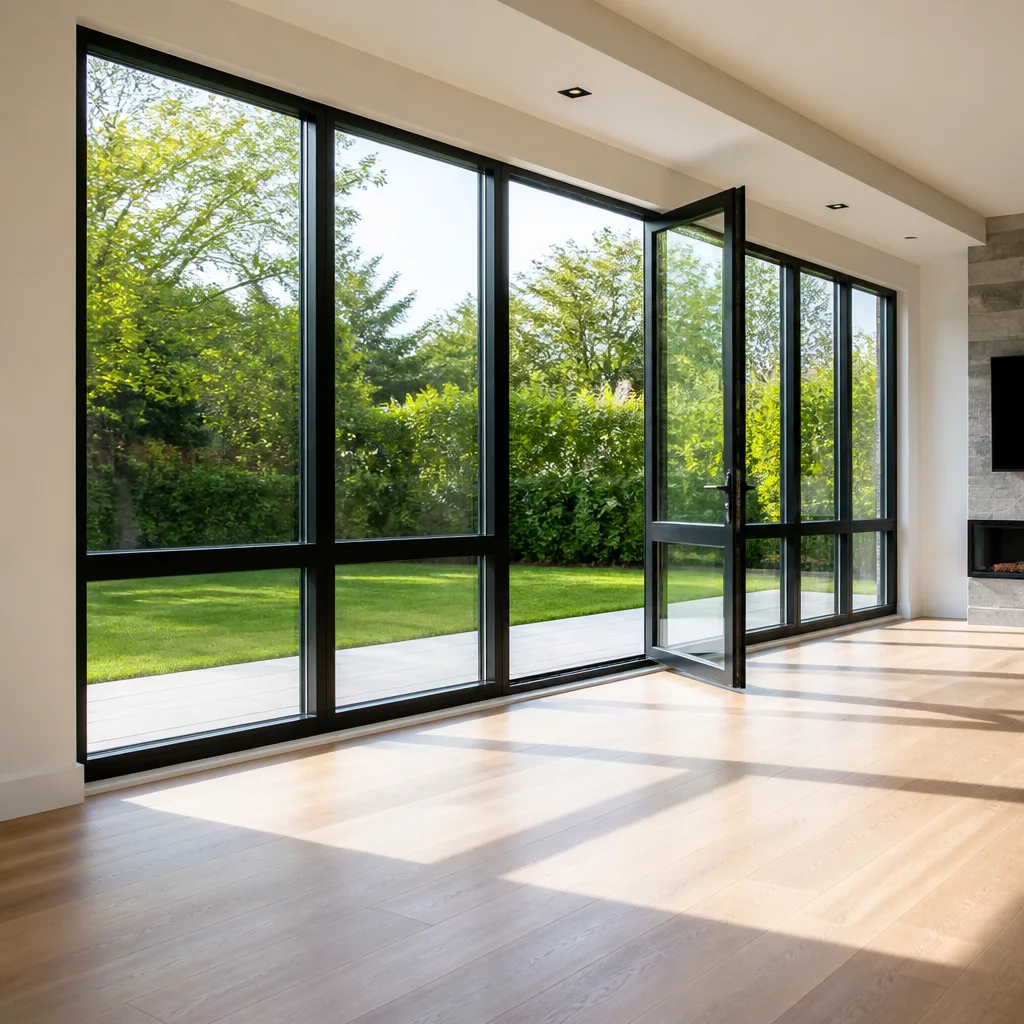
Miami Lakes’ specific climate conditions accelerate certain failure modes beyond rates seen in inland Florida markets. Understanding these accelerators helps distinguish normal wear from premature failure.
Salt Air Exposure: Homes within two miles of Biscayne Bay, including sections of Royal Oaks and properties along Miami Lakes Drive East, experience chloride corrosion rates approximately 40% higher than inland Dade County. Aluminum frame pitting, stainless fastener staining, and hardware corrosion appear earlier. We’ve replaced hardware on west-facing doors in these areas after six years that would last twelve years in Homestead or Florida City.
Thermal Cycling Amplitude: Dark-colored frames and unshaded south/west exposures in Miami Lakes experience surface temperatures exceeding 160°F in July and August, with nighttime lows in the high 70s. This 80-degree daily swing stresses sealant bonds and frame expansion joints. We’ve documented sealant adhesion loss in these exposures at 4-6 years, versus 10-12 years in shaded or light-colored installations.
Convection Rain Intensity: Miami Lakes’ position on the Atlantic coastal ridge exposes it to intense afternoon convection cells that produce rainfall rates exceeding 4 inches per hour. These events test sealant and flashing integrity at pressures that exceed typical ASTM water-intrusion test protocols. A sealant joint that performs adequately in steady rain may fail under convection-driven pressure. We’ve traced multiple “intermittent” leaks to this specific exposure pattern.
Hurricane Season Cycling: The repeated pressure cycling of tropical storm and hurricane bands, even without direct strike, fatigues multi-point lock springs and frame anchors. Miami Lakes experienced tropical storm-force winds in five of the last ten hurricane seasons. Each event applies thousands of load cycles to window and door assemblies. Cumulative fatigue appears as gradual hardware degradation and frame-gap growth that owners attribute to age rather than storm exposure.
These accelerators mean that “normal lifespan” estimates from national manufacturers or inland contractors don’t apply directly to Miami Lakes installations. A ten-year-old window here may have experienced environmental stress equivalent to fifteen years in a moderate climate.
Common Mistakes to Avoid
- Measuring gaps against trim instead of frame. Trim is cosmetic and moves independently. Measuring trim-to-wall gaps produces false positives and false negatives. Always measure the frame itself, which is structurally connected to the rough opening.
- Recaulking without substrate inspection. New sealant over failed substrate seals water in, accelerating hidden damage. In Miami Lakes’ humidity, we’ve opened recaulked windows to find complete stucco return dissolution beneath intact new sealant.
- Assuming impact-rated hardware is universal. Multi-point lock components are manufacturer- and series-specific. Installing a generic replacement from a hardware store may operate mechanically but voids the impact rating and insurance compliance. We source verified components from PGT, CGI, and Therma-Tru based on the original specification.
- Ignoring permit history on pre-purchase homes. Miami Lakes has active resale turnover, particularly in the 32-50 age bracket our customers represent. The previous owner’s unpermitted replacement becomes your compliance problem. Check records before closing, or request documentation as a contingency.
- Confusing condensation with leakage. Interior glass surface condensation indicates humidity control or glazing thermal performance, not seal failure. Exterior condensation is normal. Between-glass condensation (fogging) indicates IGU seal failure and requires glass replacement, not frame replacement.
- Delaying evaluation of minor hardware friction. Multi-point lock degradation is progressive. The adjustment that costs $300 today becomes the $2,500 frame realignment in two years when keeper misalignment has worn the bolt tips and damaged the keepers.
- Accepting verbal warranty terms. The Haven Standard requires written documentation of every promise. Verbal assurances from previous installers or home inspectors are not enforceable. Request the written scope, the product approval documentation, and the installation detail in hand.
When to Call a Professional
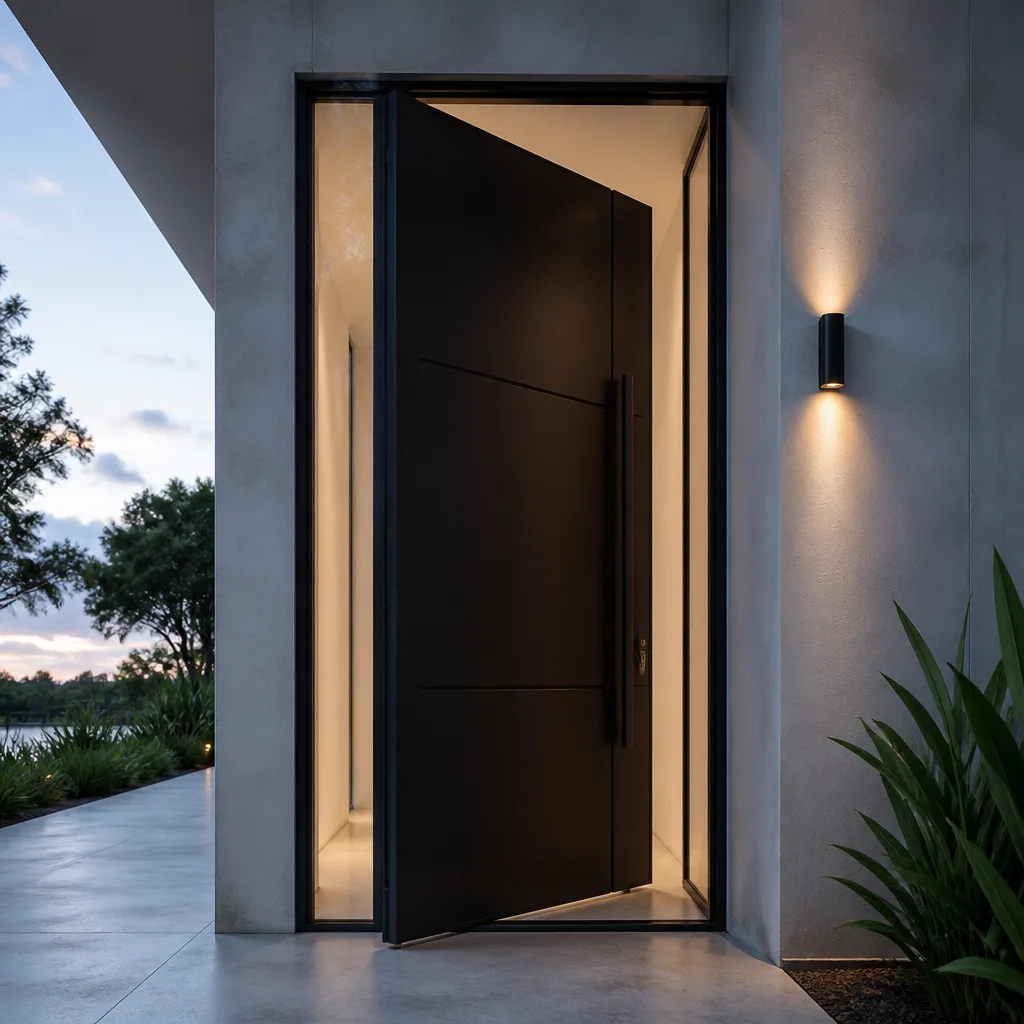
Call for evaluation when: frame gaps exceed 1/8 inch at any point; water stains appear below the sill corner or extend onto the wall beneath the opening; impact-rated doors require shoulder pressure or handle manipulation to latch; sealant cracks reveal soft or crumbling substrate; or you cannot verify permit and product approval documentation for existing impact-rated installations.
These thresholds separate maintenance from structural concern. Below them, many homeowners handle sealant refresh or hardware tightening themselves. For more guides & resources on maintaining your home’s openings, explore our blog. At or above them, the opening’s storm-protection integrity and code compliance are in question.
Sightline Windows & Doors Miami Lakes home - we offer free estimates in Miami Lakes. Our measured survey produces a written scope you keep, and our quote is the same document. Call (786) 755-8730 to schedule. We also provide free second opinions on any written estimate from another contractor; bring us their scope and we’ll review it against what we find.
Frequently Asked Questions
Window replacement in Miami Lakes typically ranges from $1,200 for a standard vinyl double-hung to $4,500 for a large impact-rated picture window with installation. The variation depends on opening size, product performance tier, substrate condition, and whether permit recovery is required. Call (786) 755-8730 for a written estimate based on your specific openings - estimates are free and include the measured survey you keep.
No. Haven Clause 1 requires that the measured survey and the written quote are the same document. We do not start work until you have approved a fixed price in writing. If we encounter concealed damage during installation, we document it, stop work, and provide a supplemental written scope before proceeding. No change orders without prior written agreement.
Yes. Every replacement that requires permitting under Miami-Dade code is permitted through our office. We obtain the permit, schedule inspections, and ensure final approval. The permit documentation travels with your job record. This is standard, not an add-on service.
Most residential window replacements in Miami Lakes require one to two days of installation time per opening, with additional time for permitting and inspection scheduling. A typical whole-home replacement of 10-15 openings spans two to three weeks from permit submission to final inspection. We provide a written schedule with your quote, including inspection dates.
“Impact-rated” is a specific certification under Florida Building Code TAS 201, ASTM E1886, and ASTM E1996, tested with large and small missile impacts followed by cyclic pressure loading. “Hurricane-resistant” has no standardized definition and may refer to laminated glass, reinforced frames, or marketing language alone. In Miami Lakes, only impact-rated products with a current Florida Product Approval or Miami-Dade NOA satisfy code for replacement in wind-borne debris regions. We specify PGT, CGI, and other verified manufacturer lines by their tested performance, not by general description.
Impact-rated windows carry permanent markings: the manufacturer name, product series, and Florida Product Approval or NOA number, typically etched in the glass corner or on an applied label. If markings are absent or painted over, check your permit records for the installed product series, then verify that series against the Florida Building Commission Product Approval System. We perform this verification as part of our free estimate if documentation is uncertain.
If any aspect of our installation is not done right, we make it right within 365 days of completion. This includes operational performance, water integrity, hardware function, and cosmetic finish. The promise is written into the Haven Standard on every job, not offered as a discretionary courtesy. Claims are handled through our live phone coverage at (786) 755-8730, answered 24/7.
The Bottom Line

Window and door failures in Miami Lakes announce themselves through measurable, specific symptoms: frame-gap growth beyond 1/8 inch, sealant cracks that reveal substrate damage, water stains positioned by leak source, and impact-lock degradation that precedes latch failure. The distinction between cosmetic wear and structural compromise determines whether you’re facing maintenance or replacement, and whether the installation remains code-compliant. Document what you observe, measure what you can, verify permit history when symptoms appear on prior-owner work, and request written scope and fixed pricing before authorizing any work. The Haven Standard exists because these details matter.
Written by Sonia Raman, Owner at Sightline Windows & Doors Miami Lakes, serving Miami Lakes since 2012.