
Last updated September 24, 2026
Free in-home measure and quote - PGT, CGI and CWS impact lines compared on your actual openings, style by style
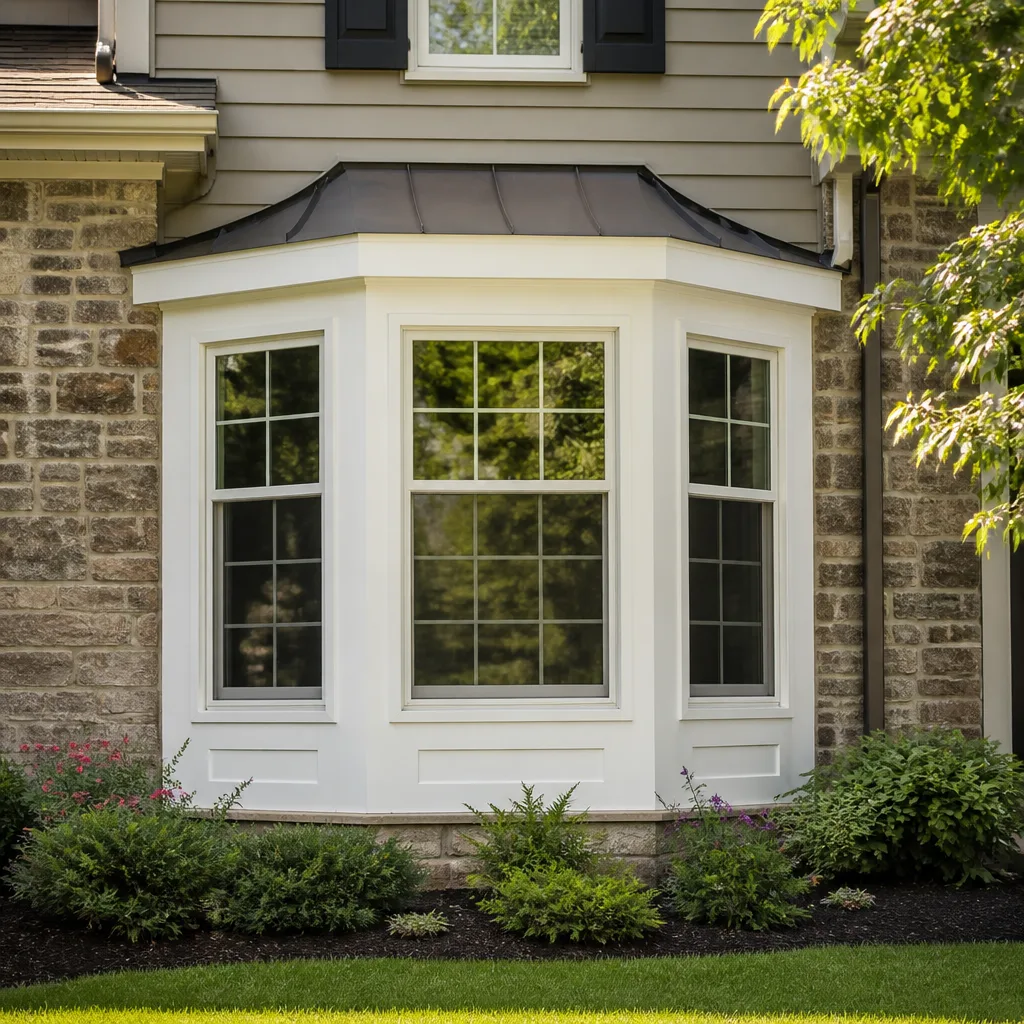
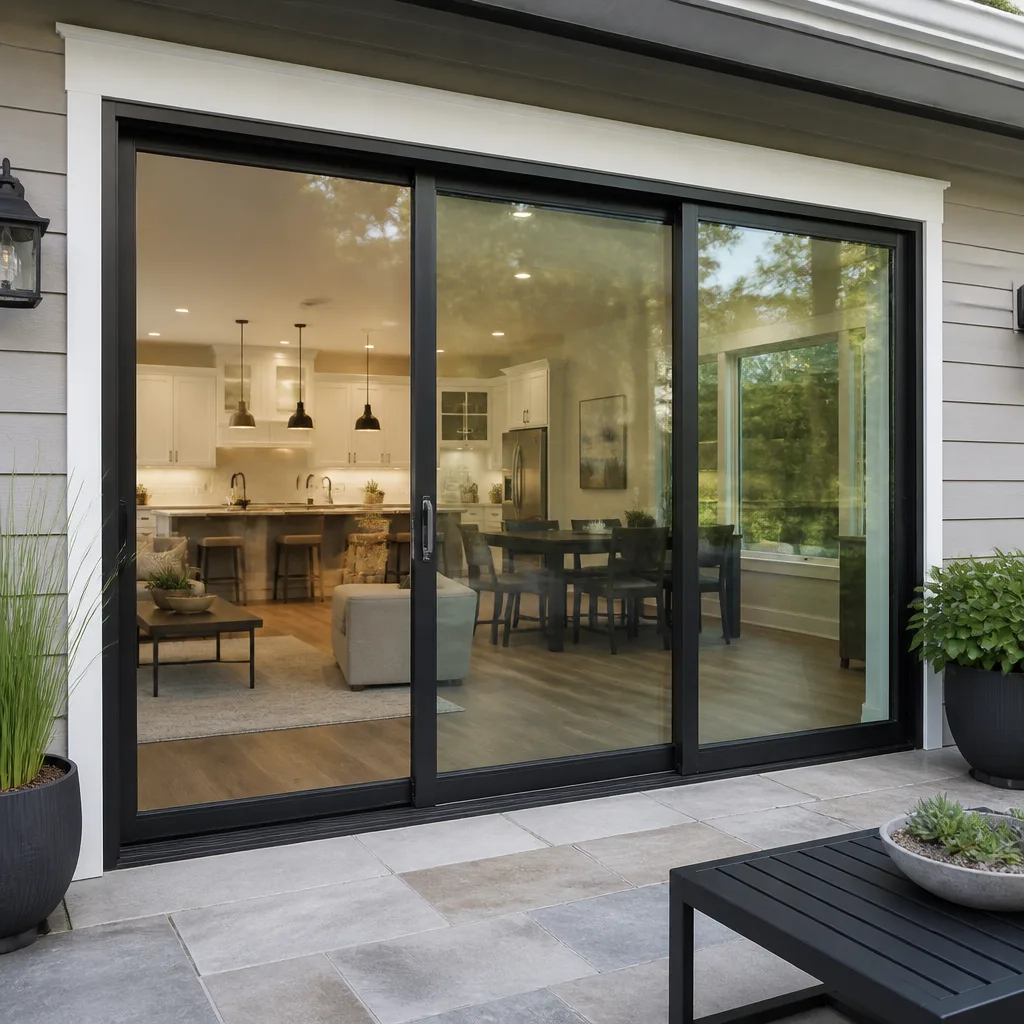
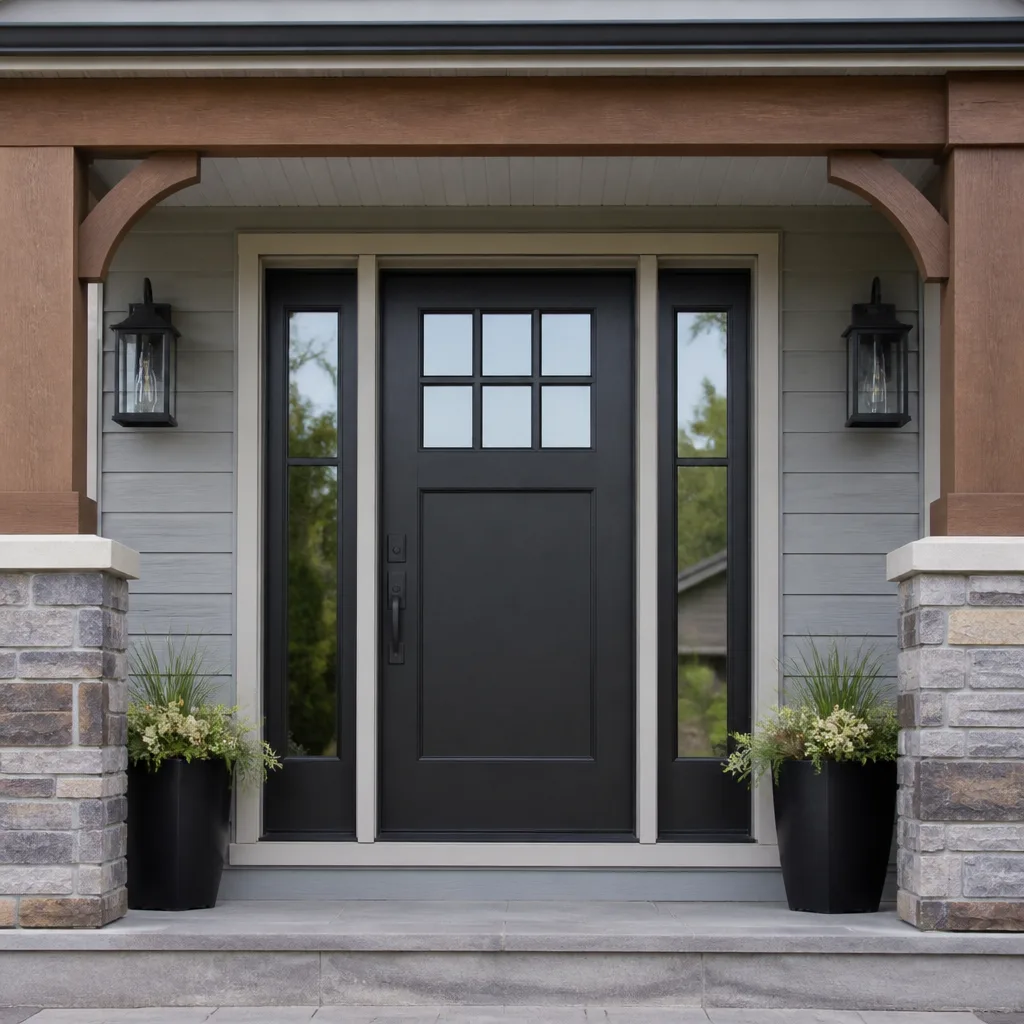
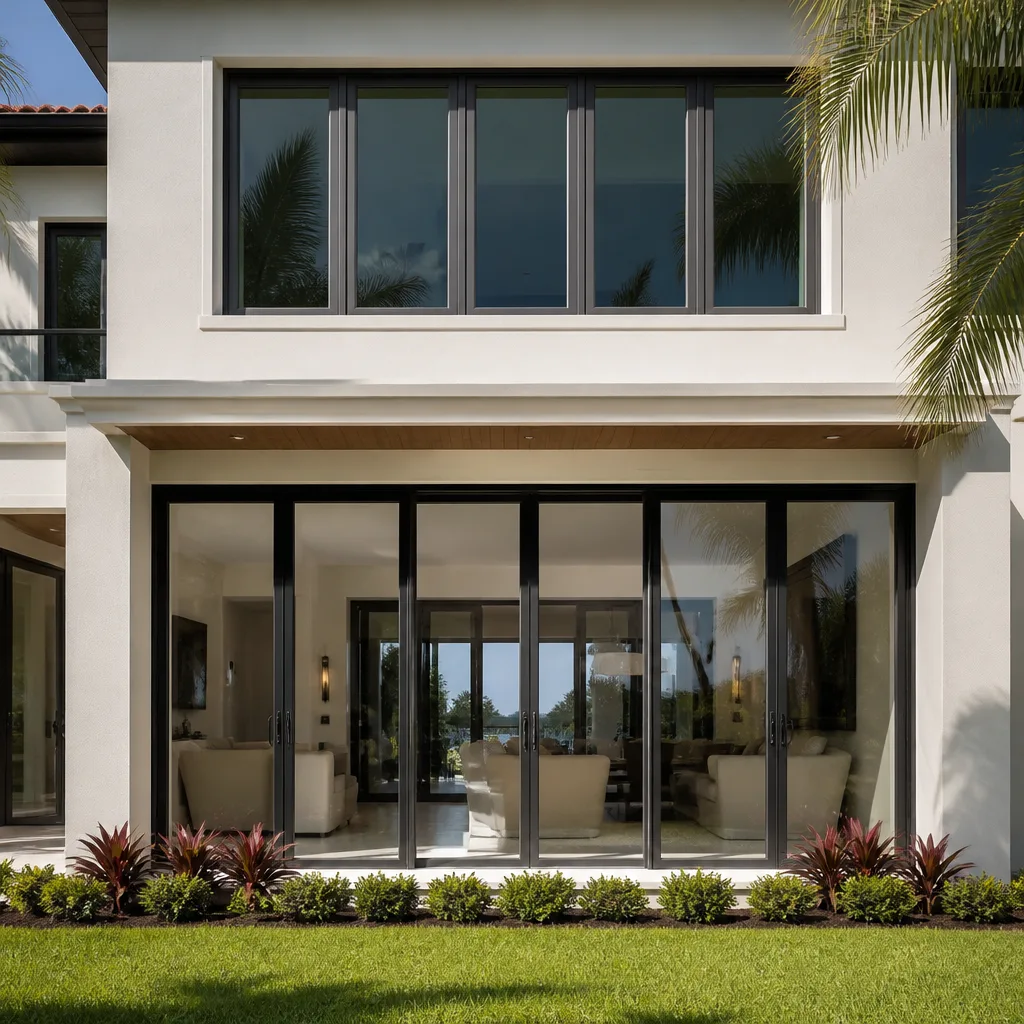
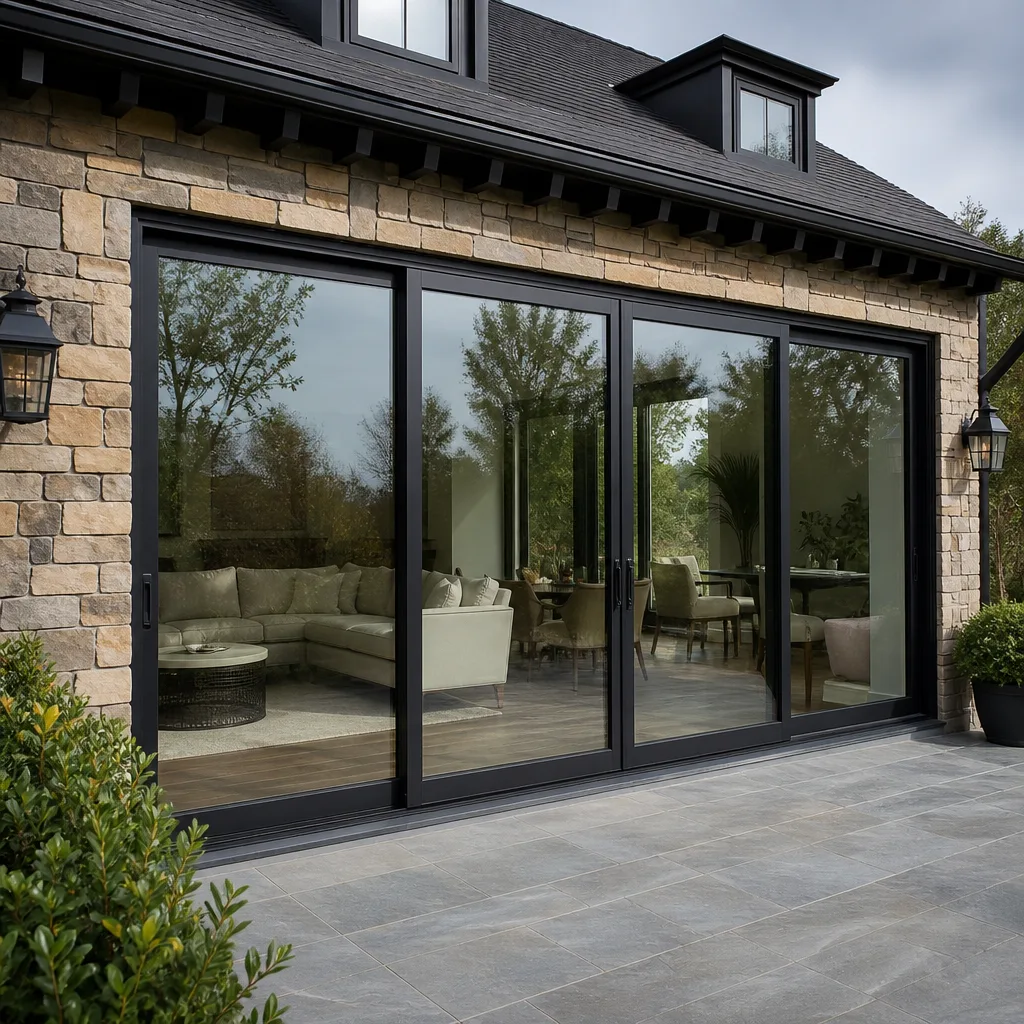
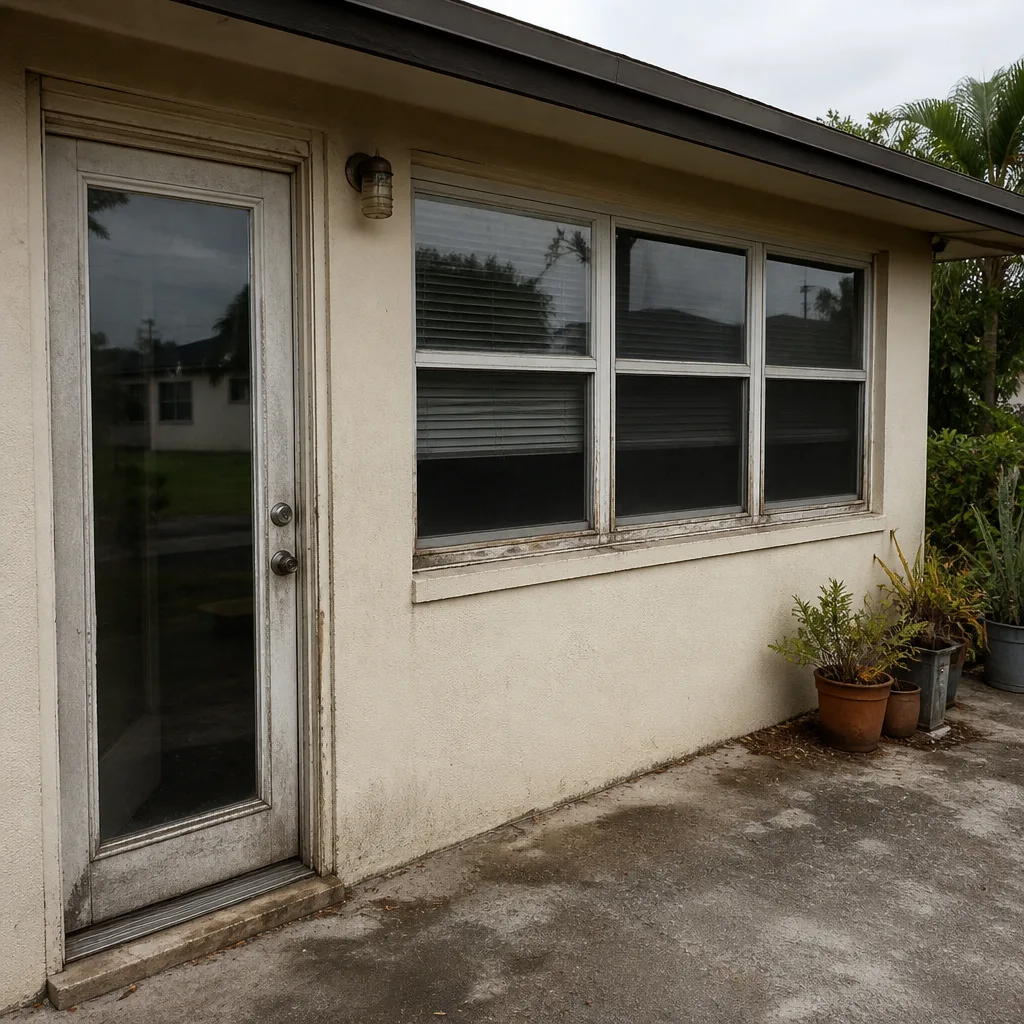 Before
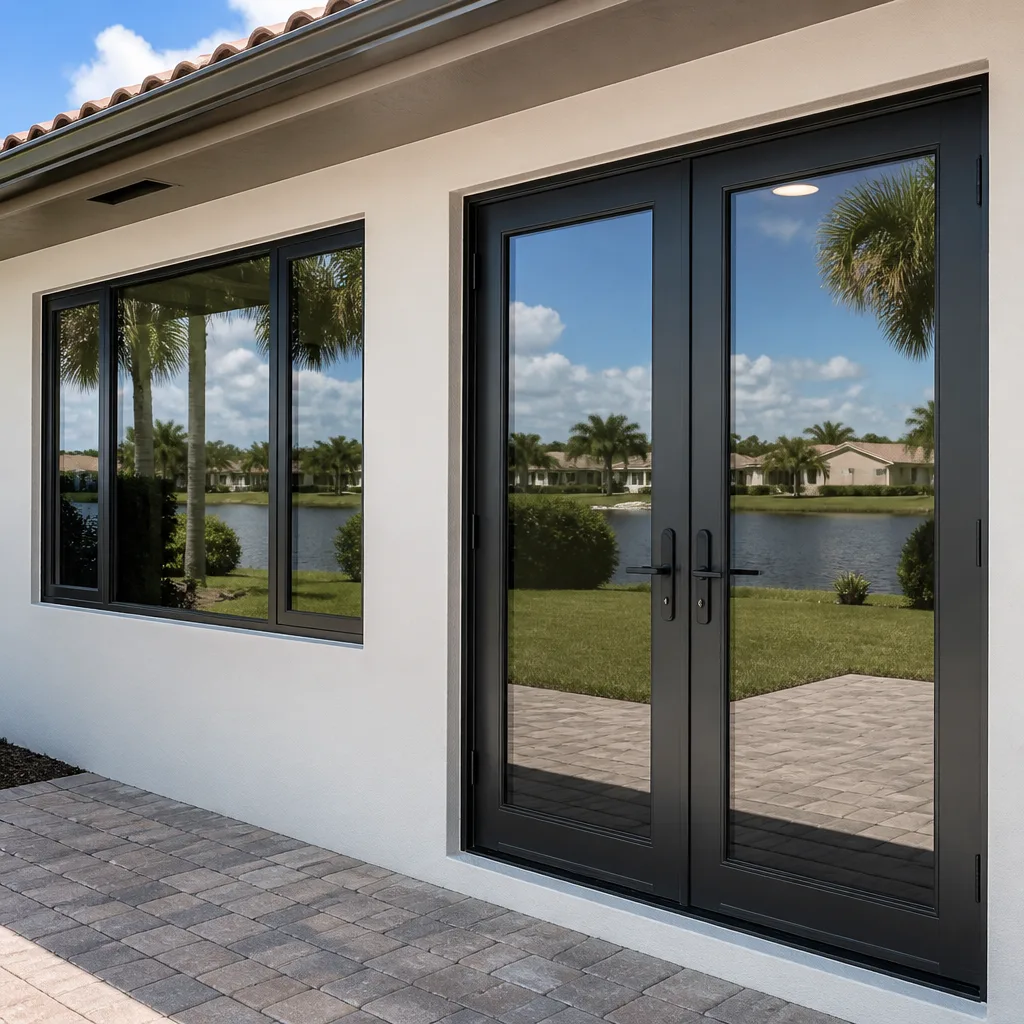 After
After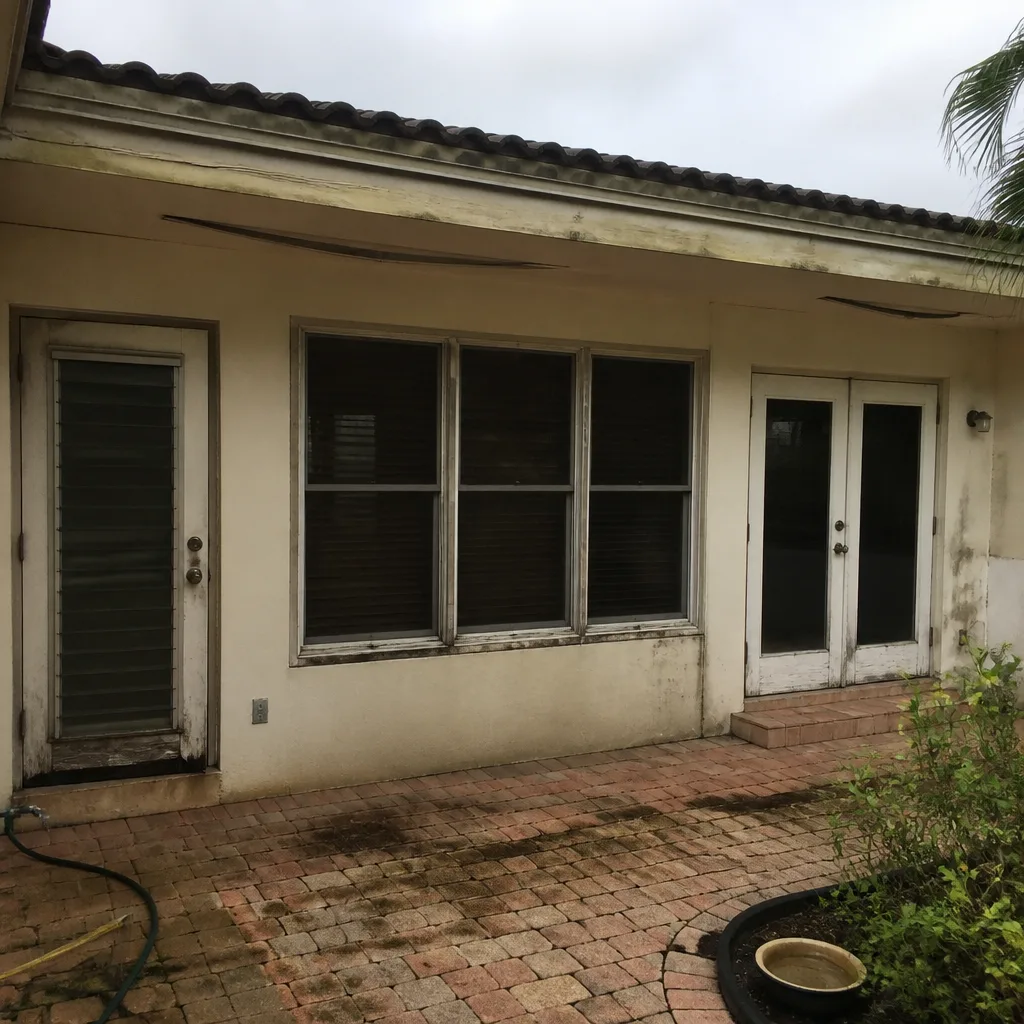 Before
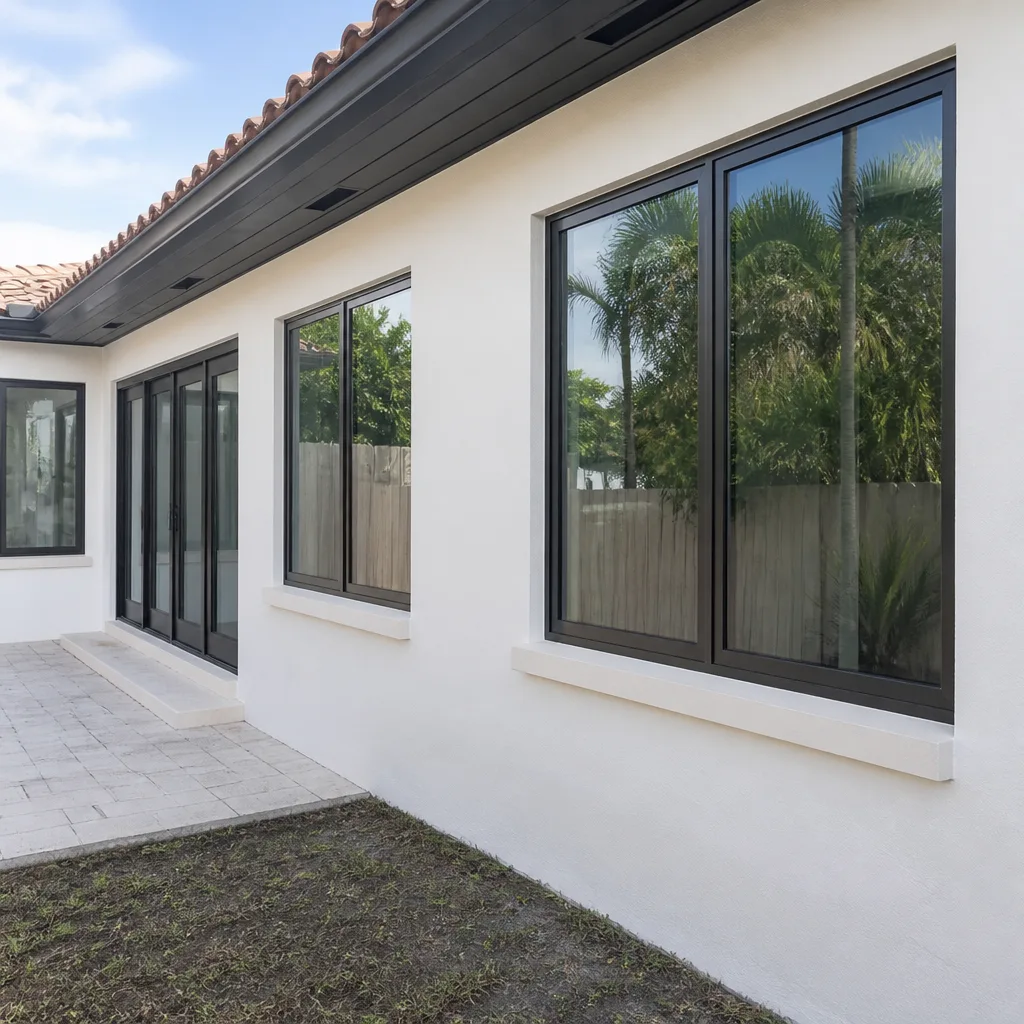 After
After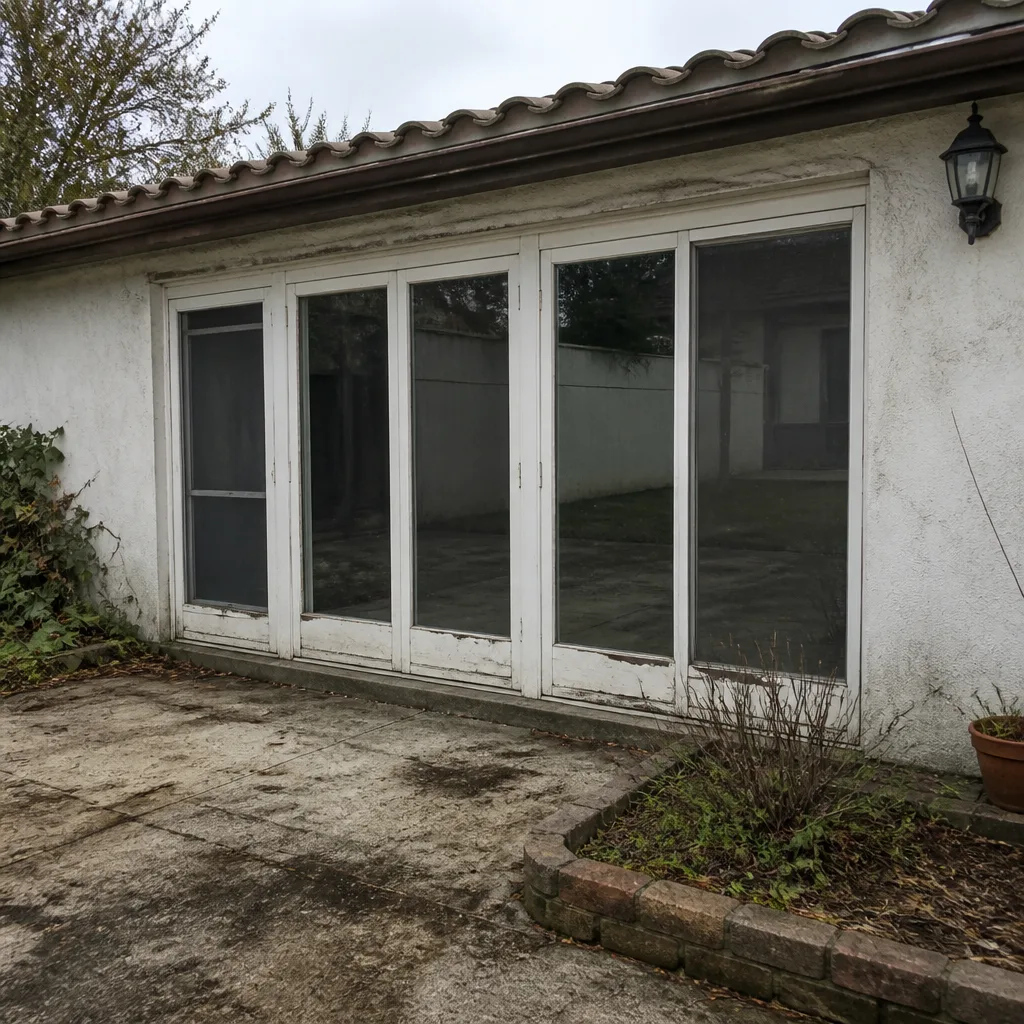 Before
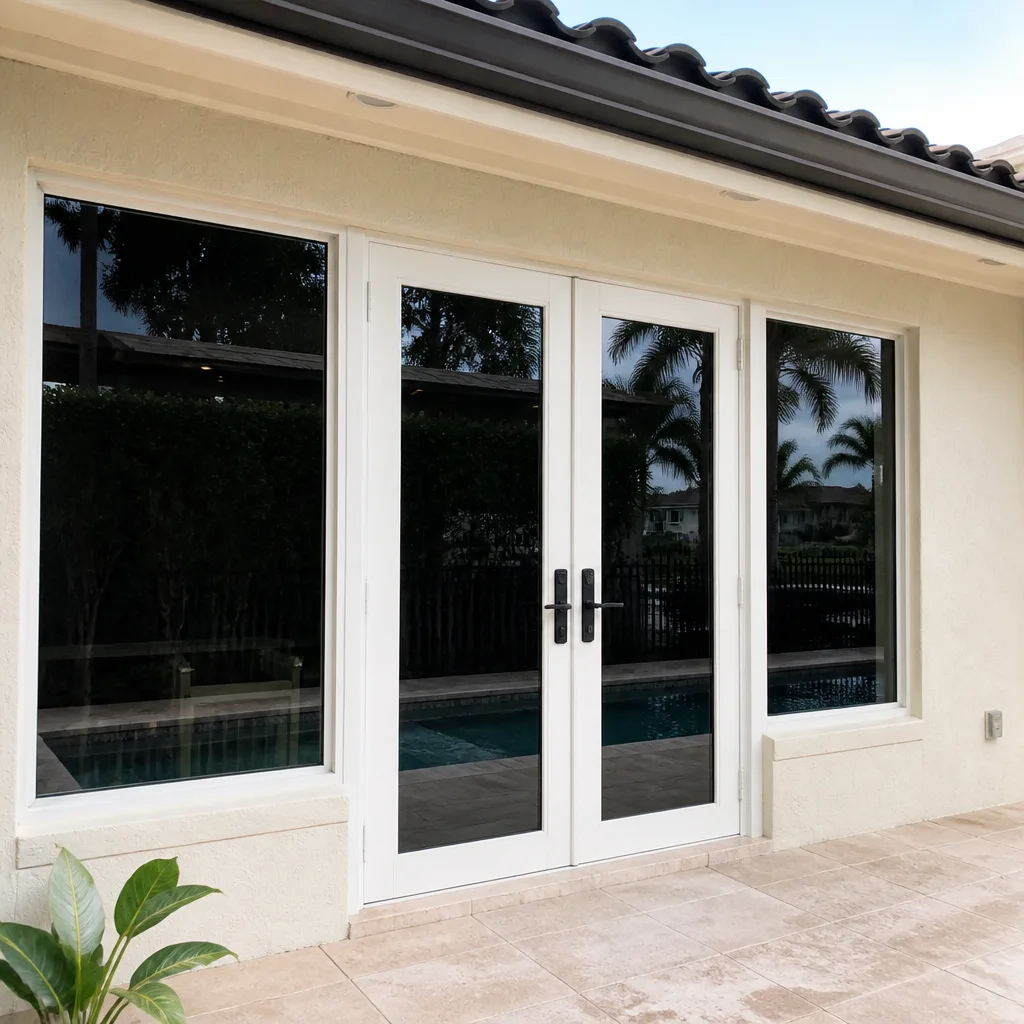 After
AfterHow to Hire a Windows & Doors Contractor in Miami Lakes: A Step-by-Step Guide
Florida’s DBPR license lookup takes 45 seconds, yet fewer than 30% of homeowners verify a window contractor’s license before signing. A contractor without a current Certified or Registered license cannot legally pull a Miami-Dade permit in their own name, which means your inspection chain is broken from the start. In Miami Lakes, where the building department enforces some of the strictest wind-borne debris and HVHZ (High Velocity Hurricane Zone) codes in the state, that broken chain can stall your project for weeks or leave you with non-compliant work that fails resale inspection.
This guide teaches you to evaluate contractors by how they price, not how they present. You’ll learn to verify licenses in real time, read bid documents for hidden change orders, and spot the five questions that separate permit-pulling professionals from third-party permit runners. What you won’t find here is a checklist of generic tips you could read in more guides & resources elsewhere. Every step is specific to Miami Lakes, Miami-Dade County, and the window-and-door trade as it is actually practiced in South Florida.
Quick Answer
Hiring a windows and doors contractor in Miami Lakes requires verifying a current Florida DBPR license (CGC, CWC, or qualifying specialty), confirming the contractor pulls their own Miami-Dade permits, and receiving a written line-item scope with specified product NOA numbers before any deposit. The single most reliable predictor of a clean project is whether the quoted price and the final invoice are the same document.
Table of Contents

- Step 1: Verify the License Class on Florida DBPR
- Step 2: Determine Who Actually Pulls the Permit
- Step 3: Read the Bid Document Like an Inspector
- Step 4: Demand a Complete Written Scope Line by Line
- Step 5: Confirm Product NOA Numbers Are Specified, Not Blank
- Step 6: Spot Miami Lakes-Specific Red Flags
- Step 7: Evaluate Pricing Structure, Not Just Price
- Common Mistakes to Avoid
- When to Call a Professional
- Frequently Asked Questions
- The Bottom Line
 Before
 After
AfterStep 1: Verify the License Class on Florida DBPR
Three license classes legally cover window and door installation in Florida. Each carries different permissions, and only two allow a contractor to pull a Miami-Dade permit in their own name.
| License Class | What It Covers | Permit Authority in Miami-Dade |
|---|---|---|
| CGC (Certified General Contractor) | All building construction, including structural modifications to rough openings | Direct - pulls own permits |
| CWC (Certified Window and Door Contractor) | Window and door installation specifically; cannot perform structural framing beyond rough-opening preparation | Direct - pulls own permits |
| Registered Specialty Contractor (SCC or local equivalent) | Limited scope defined by local jurisdiction; often restricted to non-structural replacement | Varies - may require qualifier or third-party permit runner |
Here’s how to verify in real time. Open myfloridalicense.com, select “Verify a License,” and enter the contractor’s name or license number. Check three fields: Status (must read “Current”), License Type (must match one of the three above), and any disciplinary actions in the past five years. Screenshot the result. A contractor who hesitates to provide their license number, or who provides a business tax receipt instead of a DBPR license, is not licensed to perform the work.
In our experience across Miami Lakes and surrounding Miami-Dade municipalities, the most common license issue is a specialty contractor operating beyond their scope, particularly on projects requiring structural modification to rough openings. Miami-Dade’s HVHZ code often mandates larger anchors, continuous sill flashing, or impact-rated products that exceed a limited specialty license. When that discrepancy surfaces at inspection, the permit is red-tagged and the homeowner bears the cost of rework and re-inspection.
At Sightline Windows & Doors Miami Lakes, every technician arrives with license number visible on their uniform, verified under Haven Clause 3. The customer can cross-reference that number on DBPR before the measured survey begins.
Step 2: Determine Who Actually Pulls the Permit

Permit pulling is not administrative paperwork. In Miami-Dade, the permit holder of record is the party legally responsible for code compliance, inspection scheduling, and correction of any red-tag items. When a contractor uses a third-party permit runner, that chain of accountability fragments.
Ask these five questions. The answers reveal whether you’re dealing with a direct permit holder or a subcontracted chain:
- “Will you pull the permit in your company’s name, or will a third party?” Direct permit holders answer immediately and specifically. Vague answers (“we handle all permitting”) or references to “our guy downtown” indicate a runner relationship.
- “What is your inspector jurisdiction for Miami-Dade HVHZ inspections?” A contractor who pulls their own permits knows their inspector jurisdiction without checking notes. Miami-Dade assigns inspectors by geographic zone and building type; a contractor working regularly in Miami Lakes knows whether they fall under the North Dade or Central Dade inspection unit.
- “Can you show me a recent Miami-Dade permit with your company as holder of record?” This is a documentation request, not an accusation. A legitimate contractor produces this without defensiveness.
- “Who corrects red-tag items if the inspection fails?” The permit holder of record is legally responsible. If that’s a third-party runner, your contractor may lack authority to schedule re-inspection or may charge you for the runner’s additional fees.
- “Is the permit cost itemized in your quote, or is it a line-item pass-through?” Pass-through permit costs with markup are common but should be disclosed. Hidden permit costs that appear only at invoice are a change-order tactic.
Miami-Dade’s HVHZ inspection protocol is among the most rigorous in the United States. Impact-rated products require Miami-Dade product approval numbers matching the installed unit exactly. Fastener patterns are verified in the field. Sill pan flashing is inspected for continuity. A contractor who does not personally attend inspections, or who sends a runner who cannot answer technical questions, is increasing your risk of failure and delay.
Since 2012, every window installation in Miami Lakes and every door installation in Miami Lakes that Sightline has performed has been permitted in our name, with our technician present at inspection. The documented photo record includes permit card, inspection results, and any correction items with resolution.
Step 3: Read the Bid Document Like an Inspector
Most homeowners read bids for the bottom-line number. Inspectors read for scope gaps that become change orders. Train yourself to read the second way.
A bid document that will survive Miami-Dade inspection contains these elements in writing:
- Existing condition assessment: Frame condition, sill rot, stucco damage, interior drywall condition. Missing this section means the contractor hasn’t looked, or hasn’t documented what they found.
- Rough-opening preparation: Specific actions for rot repair, framing reinforcement, or sill replacement. Vague language (“prep as needed”) is a blank check.
- Flashing method: Named system (peel-and-stick membrane, liquid-applied, or integrated flange with tape) and brand. “Standard flashing” means nothing to an inspector.
- Anchor type and spacing: Miami-Dade HVHZ requires specific anchor schedules by wind zone. The bid should specify anchor diameter, embedment depth, and spacing pattern.
- Sealant product by brand: “Quality caulk” is not a specification. OSI Quad, Dow 795, and Tremco Dymonic are common specified products for Miami’s UV and salt-air exposure.
- Interior and exterior finish: Who repairs stucco, drywall, and trim? To what standard? With what materials?
- Debris removal and site protection: Included or additional? Daily or end-of-job?
The absence of any of these elements creates a gap. In Miami Lakes, where many homes in neighborhoods like Royal Oaks and Miami Lakes East were built between 1970 and 1995, original window frames often conceal sill rot or termite damage behind intact interior trim. A contractor who bids without removing casing to inspect the rough opening is guessing at preparation scope, and their guess will become your change order.
Our measured survey protocol includes frame readings at multiple points, sightline measurements for square and plumb, and photographic documentation of concealed conditions. The customer keeps this survey. The written quote cannot differ from it because they are the same document, governed by Haven Clause 1 since our founding.
Step 4: Demand a Complete Written Scope Line by Line
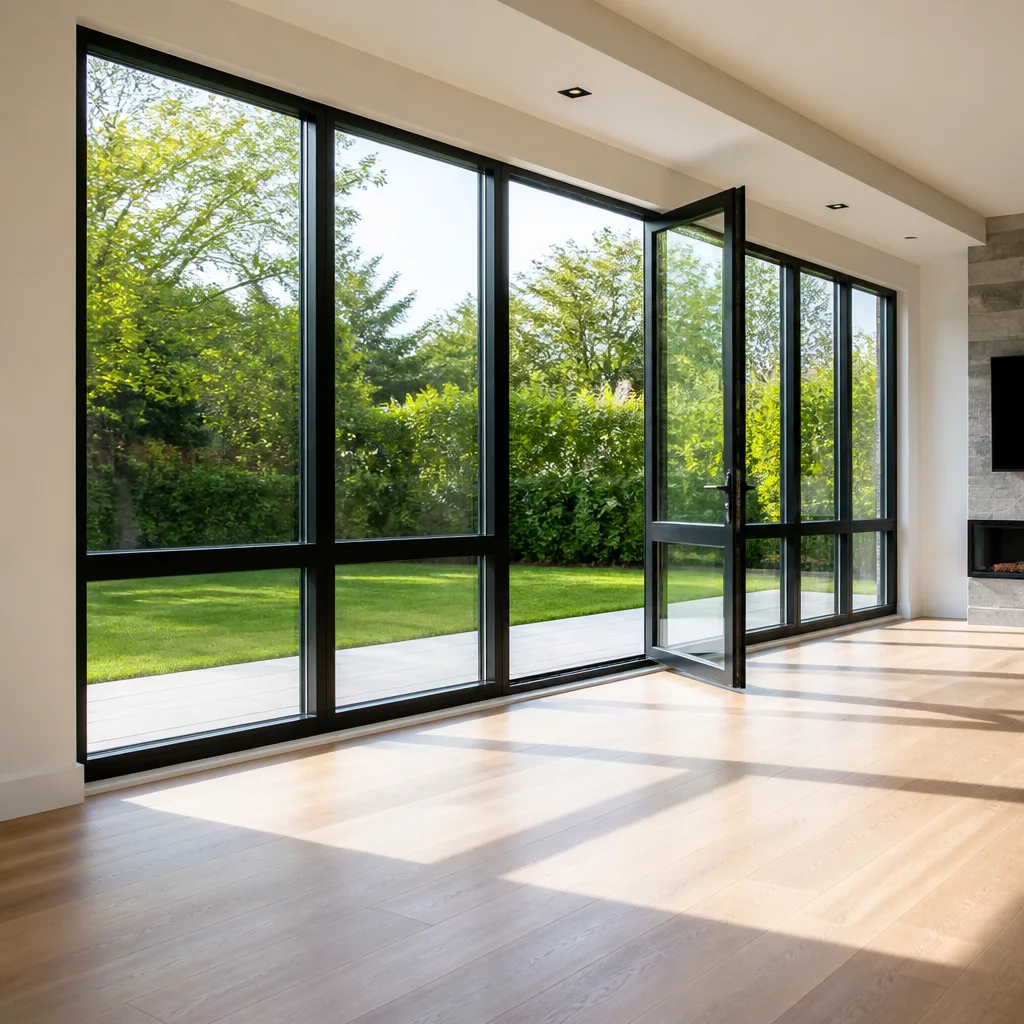
The written scope is the contract. Verbal assurances, email summaries, and “proposal” documents with a single lump-sum number are not scopes. Here’s what a complete written scope looks like for a typical Miami Lakes impact window replacement.
Line-item example: Single-hung impact window replacement, bedroom, second floor
- Remove existing single-hung window and dispose per Miami-Dade debris regulations
- Inspect rough opening; photograph and document frame condition
- Repair sill rot if present, not to exceed 24 linear inches; additional rot priced at $X per linear foot with customer authorization
- Install PGT WinGuard single-hung, specified size, white vinyl, with Miami-Dade NOA [number specified]
- Flashing: Grace Vycor Plus self-adhered membrane, sill pan with end dams, jamb strips continuous to head
- Anchors: 3/8″ diameter stainless steel Tapcon, 4″ embedment, spacing per HVHZ table 32.2
- Sealant: OSI Quad Max, color-matched, full perimeter with tooled finish
- Interior: Repair drywall to match existing texture; reinstall or replace casing, primed FJ pine
- Exterior: Stucco patch to match existing finish; two-coat minimum, primer and paint by others
- Debris removal: same-day, Haulaway included
- Permit: pulled in Sightline name, inspection scheduled, technician present
- Documentation: measured survey, photo record, final invoice matching quote
This level of specificity protects both parties. The customer knows exactly what is included and what triggers additional cost. The contractor cannot inflate the invoice with “unforeseen conditions” that should have been discovered during survey. The inspector has a document to verify against field conditions.
Compare this to a typical competitor quote: “Replace bedroom window with impact window, $1,850.” No product specified, no flashing method, no anchor schedule, no interior or exterior finish responsibility assigned. That quote is not a scope. It is an opening bid in a negotiation the customer does not know they are entering.
Step 5: Confirm Product NOA Numbers Are Specified, Not Blank
Miami-Dade County maintains the Notice of Acceptance (NOA) system for products approved for HVHZ installation. Every impact window and door installed in Miami Lakes must carry a current NOA matching the exact product configuration: manufacturer, series, size range, glazing type, and hardware. A blank NOA field in your quote is a change order waiting to happen.
Here’s how to check. Ask your contractor: “What is the Miami-Dade NOA number for the product you are specifying?” Then verify it yourself at miamidade.gov/nbc, in the Product Control Search database. Confirm three things:
- The NOA is current (not expired or superseded)
- The product size you are ordering falls within the approved size range
- The glazing and hardware options match your specification
Common NOA gaps we encounter in Miami Lakes:
- Contractor quotes a product line but specifies a size outside the NOA range, planning to “make it work” in the field
- Energy-efficient upgrade (Low-E coating, argon fill) is not listed on the NOA for that configuration
- Hardware color or finish is changed from the approved sample without engineering review
- NOA is expired; contractor plans to use “equivalent” product not yet approved
Any of these conditions will fail Miami-Dade inspection. The window must be removed and replaced, or engineering variance obtained at significant cost and delay.
At Sightline, our eight manufacturer lines, PGT, CGI, CWS, and ES Windows among them, are specified by performance tier and price range, not by margin. The NOA number appears on the written quote before any deposit is accepted. The installed product is photographed with its permanent label visible for the documented photo record.
Step 6: Spot Miami Lakes-Specific Red Flags
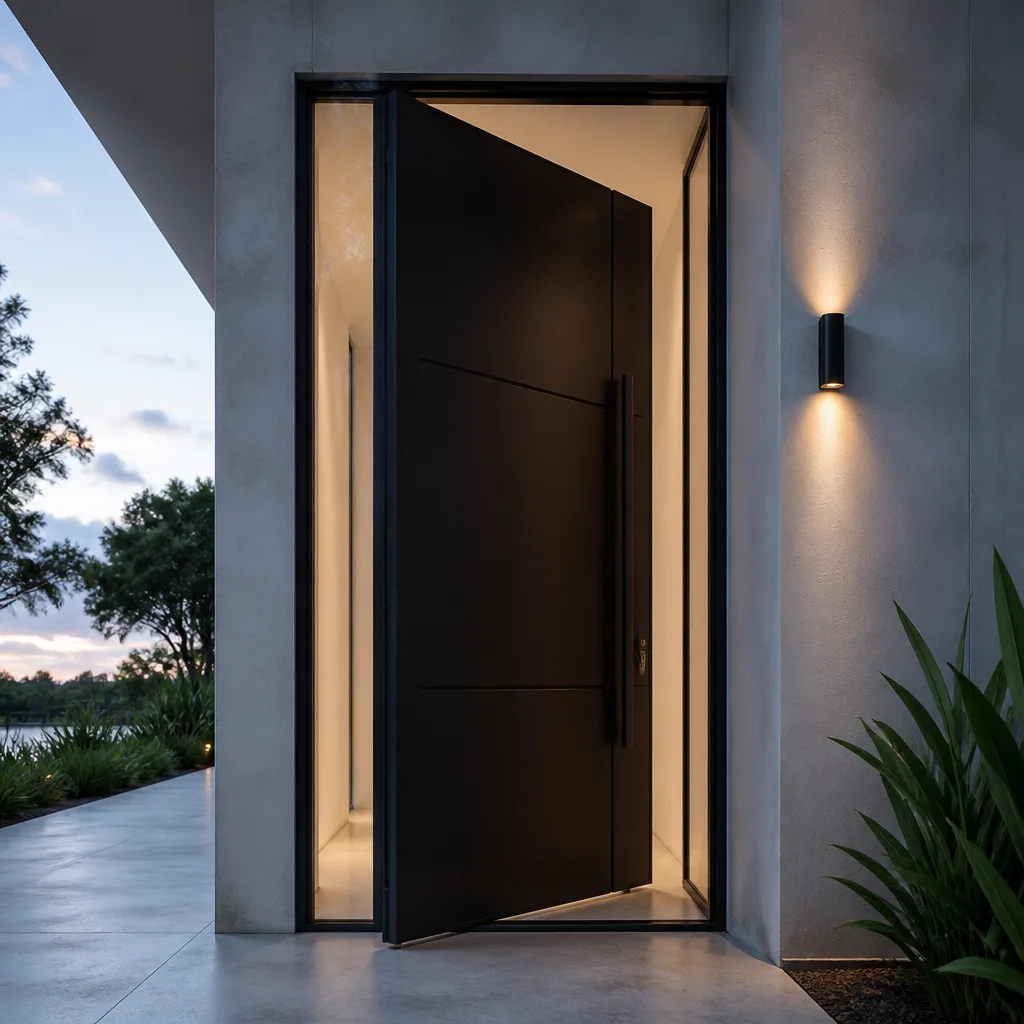
Some warning signs are universal: pressure to sign today, refusal to provide references, demand for full payment upfront. Others are specific to Miami Lakes and Miami-Dade’s regulatory environment.
Red flag: Quoting before measuring
Miami Lakes homes span construction eras from 1960s ranch to 1990s Mediterranean to recent infill. Rough-opening dimensions, frame condition, and wall construction vary significantly. A per-window price given over the phone or after a walk-around without tape measure is not a quote. It is a marketing number designed to secure an appointment, with the real price emerging after you have invested time and emotional energy.
Red flag: No Miami-Dade product-approval numbers listed
As detailed above, this is not a technicality. It is a legal requirement for HVHZ installation. A contractor who does not know or does not disclose NOA numbers is either uninformed or planning to substitute product after contract.
Red flag: Cannot name inspector jurisdiction
Miami-Dade’s building department operates multiple inspection units. A contractor working regularly in Miami Lakes should know whether their projects fall under North Dade, Central Dade, or a municipal delegation. “They all go downtown” indicates infrequent Miami-Dade work or permit-runner dependency.
Red flag: Permits “optional” for replacement work
Some contractors claim that like-for-like replacement does not require permit. This is incorrect for impact-rated products in HVHZ. Miami-Dade requires permit and inspection for any window or door replacement where the product is part of the building’s wind-borne debris protection. Unpermitted work voids insurance coverage, complicates resale, and exposes the homeowner to code-enforcement action.
Red flag: “We handle everything, don’t worry about permits”
This phrase, meant to reassure, should alarm. It typically means the contractor will not pull a permit, or will pull it in a third party’s name, or will pull it and never schedule inspection. The permit card should be posted on site. The inspection results should be available to you. Anything less is concealment, not service.
In neighborhoods like Loch Lomond and Royal Oaks, where home values support significant improvement investment, unpermitted window work discovered during pre-sale inspection can force a price reduction or kill a deal entirely. The permit is not bureaucracy. It is documentation that protects your equity.
Step 7: Evaluate Pricing Structure, Not Just Price
The lowest quoted price is rarely the lowest final cost. The gap between quote and invoice is where contractors who separate estimation from installation recover margin through change orders. Evaluate structure first, then compare numbers.
Fixed pricing with written scope: The quote is the invoice. Every element is specified. Additional work requires written change order with customer authorization. This is Haven Clause 1, and it has governed every one of our 18,000+ installations since 2012.
Estimate with “allowances”: Common for rough-opening repair, finish carpentry, or debris. Allowances are not fixed prices. They are budgets that, when exceeded, become additional charges. A $500 allowance for sill repair that runs to $1,200 is not a change order in the contractor’s view. It is standard practice.
Time-and-materials for “unforeseen conditions”: Some contractors quote product and basic labor fixed, then convert to time-and-materials for anything beyond simplest installation. This structure transfers all risk to the customer while the contractor retains pricing control.
Progress payments tied to inspection milestones: Standard for larger projects. Verify that payment schedule aligns with permit inspection sign-offs, not arbitrary calendar dates. A payment due “at rough inspection” when rough inspection has not been scheduled is a payment acceleration.
For window replacement in Miami Lakes, typical project ranges we observe in the market are:
| Project Type | Typical Range | What Drives Price |
|---|---|---|
| Single impact window replacement | $1,400-$2,800 | Size, floor, frame condition, interior/exterior finish responsibility |
| Whole-home impact window package (10-15 openings) | $18,000-$45,000 | Product tier (PGT WinGuard vs. CGI Estate), custom sizes, geometric shapes |
| Sliding glass door replacement, impact-rated | $3,500-$7,500 | Size, lift-slide vs. standard, hardware upgrade, screen inclusion |
| Entry door with sidelite, impact-rated | $4,000-$9,000 | Material (fiberglass vs. steel), glass design, multi-point hardware |
These ranges reflect Miami Lakes market conditions in 2024-2025, including Miami-Dade permit fees, HVHZ product premiums, and qualified labor rates; for deeper context, see our Windows & Doors Cost Breakdown: The Miami Lakes Homeowner’s Reference for 2026. Prices below these ranges should prompt scrutiny of what is excluded: permit, inspection, debris, interior finish, or product specification.
Our Free Second Opinion on Any Written Estimate allows Miami Lakes homeowners to bring us a competitor’s quote for line-by-line review at no charge. We identify scope gaps, unspecified products, and allowance traps that inflate final cost.
Common Mistakes to Avoid

- Verifying the business name instead of the individual license holder. Florida licenses are held by individuals, not businesses. A company can operate under a qualifier’s license without that person ever visiting your site. Verify the specific person who will be your permit holder of record.
- Accepting “impact-rated” without seeing the NOA. Marketing language and code compliance are different. Only the Miami-Dade NOA proves the product is approved for your specific installation.
- Ignoring the interior finish scope. Window replacement disturbs drywall, casing, and trim. A bid that ends at “window installed” leaves you hiring a finish carpenter or living with exposed framing.
- Paying for “engineering” that is never delivered. Some contractors charge for structural engineering review that never occurs, or that consists of a generic letter not specific to your openings. Request the engineer’s stamp and verify it with the Florida Board of Professional Engineers.
- Assuming all impact windows are equal. U-factor and SHGC (Solar Heat Gain Coefficient) ratings vary significantly. Miami Lakes’ cooling-dominated climate rewards lower SHGC for west and south exposures. A contractor who does not discuss orientation-specific performance is selling product, not solution.
- Neglecting to document pre-existing conditions. Photograph your interior walls, exterior stucco, and landscaping before work begins. Without this baseline, damage disputes devolve to your word against the contractor’s.
- Signing without a termination clause. Florida law provides certain protections, but your contract should specify conditions under which either party may terminate, with pro-rata payment for work completed to standard.
When to Call a Professional
Certain conditions in Miami Lakes homes make DIY or handyman window replacement inadvisable, and in some cases illegal under Miami-Dade code. Call a licensed, permitted professional when:
- The existing window is part of your home’s HVHZ wind-borne debris protection system (all impact-rated installations)
- Rough-opening modification is required, including sill replacement or header reinforcement
- The opening exceeds 48 square feet, triggering structural engineering review
- Stucco or EIFS exterior requires integration with weather-resistant barrier
- The home is in a Miami-Dade flood zone requiring additional fastening or elevation compliance
Sightline Windows & Doors Miami Lakes offers free estimates in Miami Lakes. Our measured survey produces a written scope you keep, with line-item pricing that does not change once work begins. Every project is permitted in our name, inspected with our technician present, and documented with a photo record provided to you. Call (786) 755-8730 to schedule your free estimate.
Frequently Asked Questions
Single impact window replacement in Miami Lakes typically ranges $1,400-$2,800 installed, while whole-home packages run $18,000-$45,000 depending on product tier and opening count. The final cost depends on frame condition, floor height, interior finish responsibility, and whether the product specified carries current Miami-Dade NOA approval, as detailed in our Seasonal Windows & Doors Care for Miami Lakes: Year-Round Homeowner’s Guide. Call (786) 755-8730 for an exact quote - estimates are free.
Yes. Miami-Dade County requires permit and inspection for any window replacement where the product is part of the building’s wind-borne debris protection, which includes all impact-rated installations. Unpermitted work voids insurance coverage, complicates resale, and may trigger code enforcement. A contractor who suggests permits are optional is advising you to break the law.
With a complete written scope and fixed pricing, it should not. Price changes occur when the quote contains unspecified products, allowance items, or vague scope language like “prep as needed.” At Sightline, the measured survey and the written quote are the same document under Haven Clause 1. The invoice matches the quote unless the customer authorizes a written change order for additional work.
Visit myfloridalicense.com, select “Verify a License,” and enter the contractor’s name or license number. Confirm Status reads “Current,” License Type is CGC, CWC, or qualifying specialty, and no disciplinary actions appear in the past five years. Verify that the individual license holder, not just the business name, will be your permit holder of record.
NOA stands for Notice of Acceptance, Miami-Dade County’s certification that a product meets HVHZ performance standards for wind-borne debris protection. Every impact window and door must carry a current NOA matching the exact installed configuration. Installation of a product without current NOA, or outside its approved size range, will fail inspection and may require removal and replacement at the homeowner’s expense.
Single-window replacement typically requires one day of installation plus permit inspection scheduling, which Miami-Dade currently processes within 3-5 business days for routine replacements. Whole-home projects of 10-15 openings span 3-5 installation days, with final inspection following completion. Delays arise from permit issues, product backorders, or red-tag corrections from incomplete scope. A contractor who pulls their own permits and attends inspections directly minimizes these risks.
The Haven Standard is the operating protocol that has governed every Sightline installation since 2012. Its five clauses are: Have it in writing (measured survey and quote are the same document), Arrive on schedule (confirmed appointment windows, not all-day waits), Verified crews (background-checked, uniformed technicians with visible license numbers), Evidence on every job (documented photo record provided to customer), and No surprises (invoice matches quote). The 365-Day Done Right Promise - if it’s not done right, we make it right - is stamped on every job under this standard.
The Bottom Line
The single most predictable source of cost overruns in Miami Lakes window-and-door projects is the gap between quoted price and invoiced price. That gap exists by design when contractors separate estimation from installation, leave product specifications blank, and delegate permit accountability to third parties. The homeowner who learns to read bids for scope completeness, verify licenses in real time, and demand written NOA specifications before deposit will avoid most common failures. The contractor who prices honestly has nothing to hide in these steps and everything to gain from a customer educated enough to value transparency.
Call (786) 755-8730 to schedule your free estimate with Sightline Windows & Doors Miami Lakes. Bring us any competitor’s written quote for a free second opinion. You’ll receive a measured survey you keep, a written scope with line-item pricing, and the assurance that the price named before work starts is the price on the final invoice.
Written by Sonia Raman, Owner at Sightline Windows & Doors Miami Lakes, serving Miami Lakes since 2012.