
Last updated September 24, 2026
Free in-home measure and quote - PGT, CGI and CWS impact lines compared on your actual openings, style by style

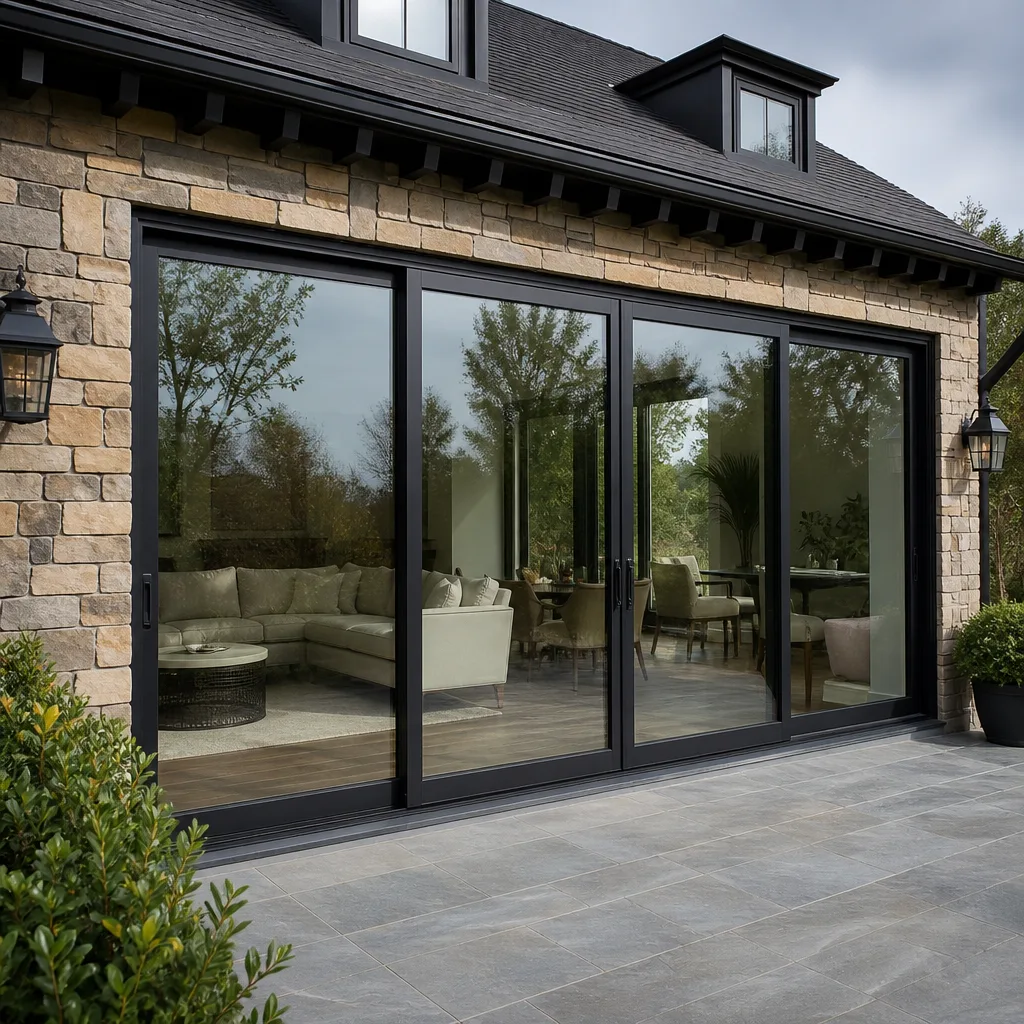
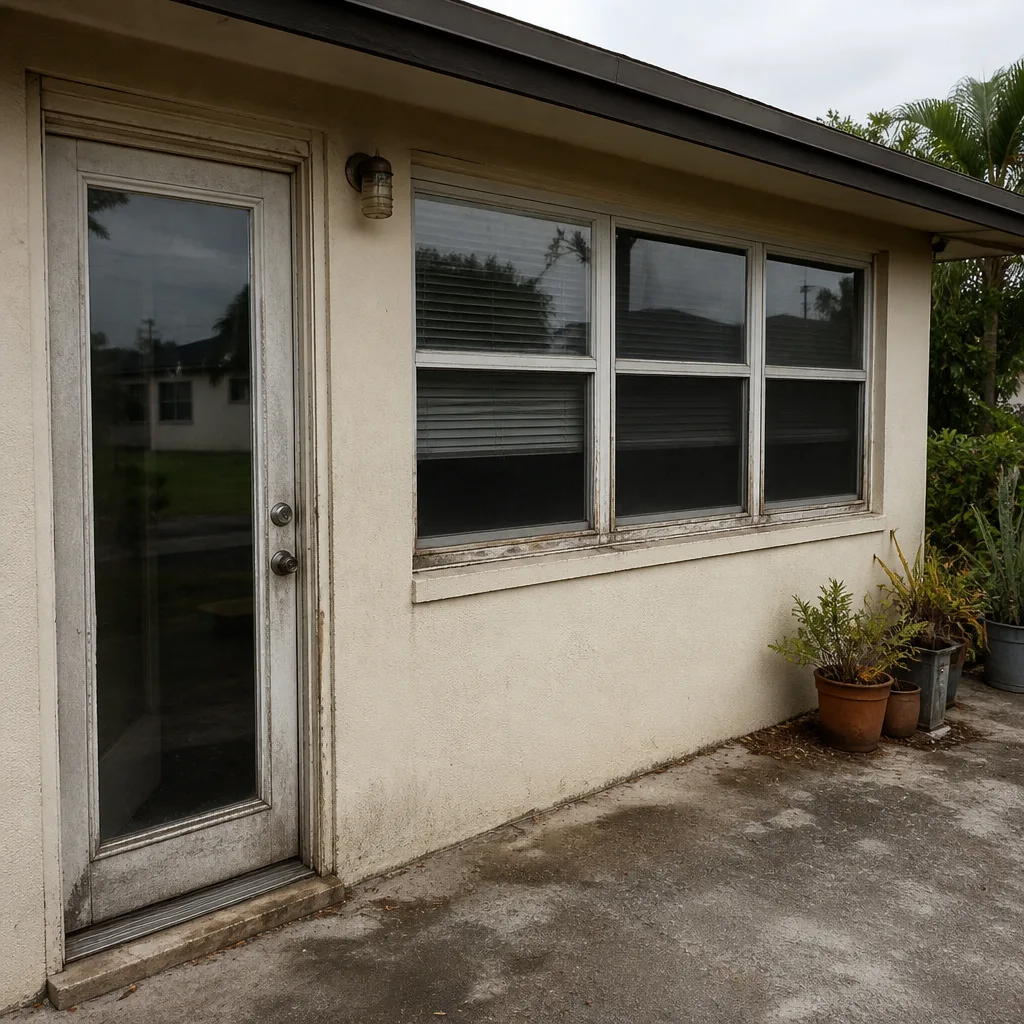 Before
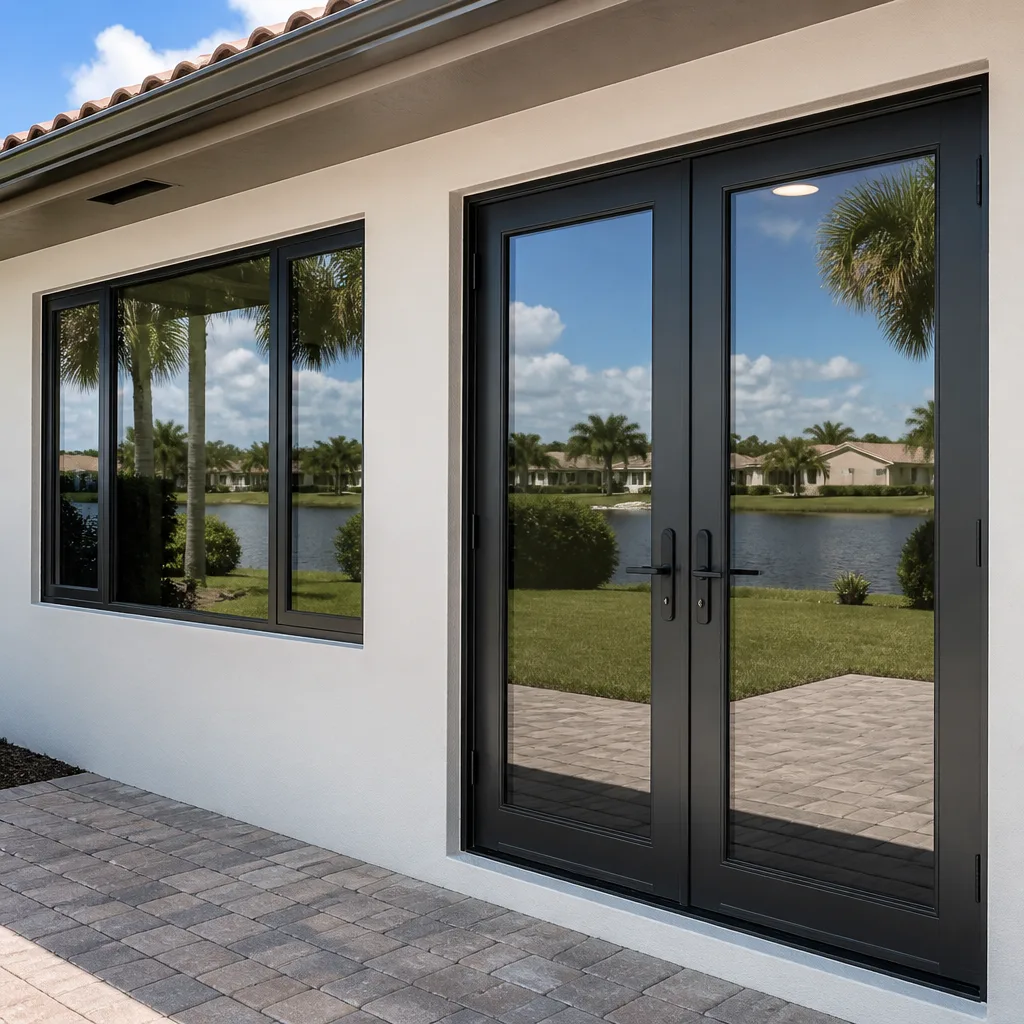 After
After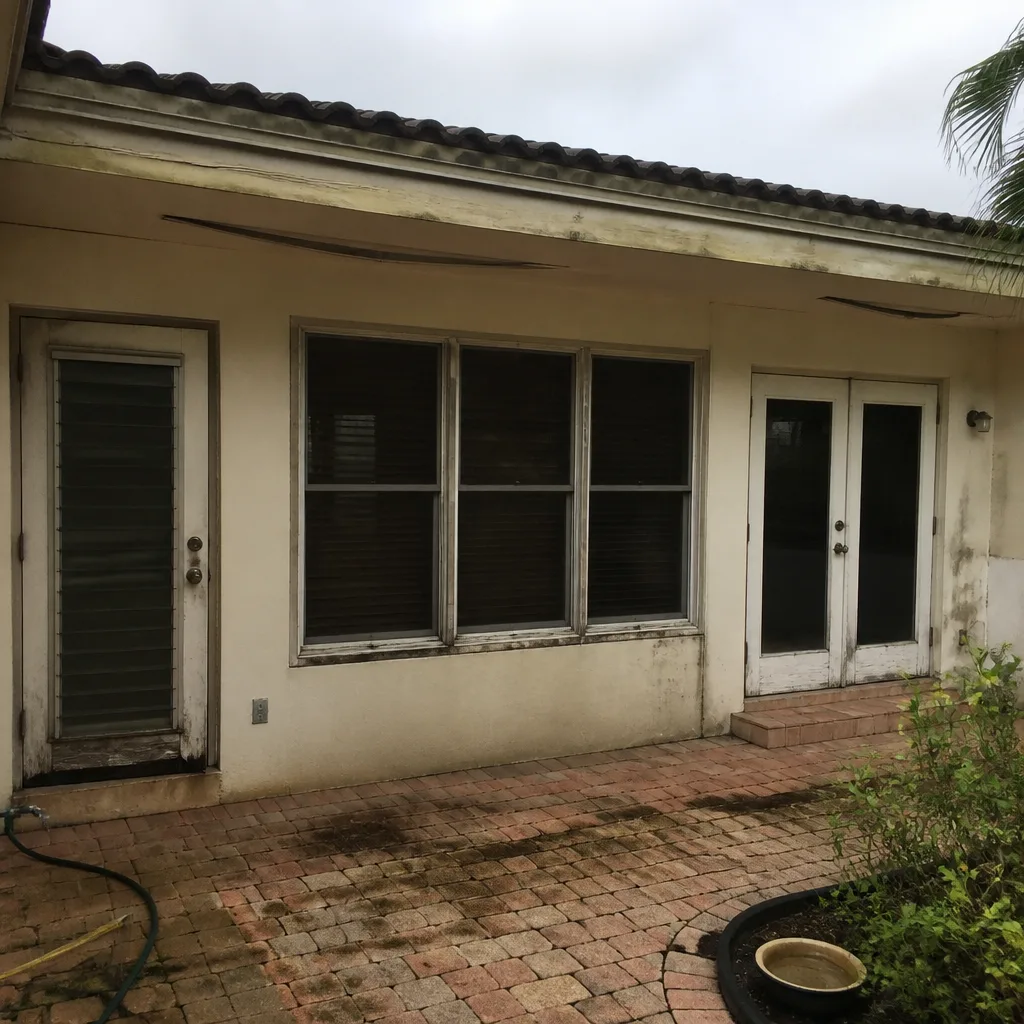 Before
 After
After Before
 After
AfterWindow Installation Maintenance Checklist for Miami Lakes Homeowners
Salt fog from Biscayne Bay travels inland as far as Hialeah on south-easterly winds, and aluminum window frames with unsealed screw penetrations show measurable corrosion within 18 months. The maintenance interval manufacturers print on spec sheets assumes a non-coastal environment. In Miami Lakes, the 90-day post-install period is when most installation defects reveal themselves, yet most homeowners have no documented baseline to prove what was correct on day one. This checklist gives you a written record to compare against at 90 days, 1 year, and before every hurricane season.
Quick Answer
A proper window installation maintenance checklist for Miami Lakes homeowners includes three phases: day-of-install baseline documentation (12 photographed items), a 90-day inspection targeting South Florida-specific failures like weep-hole blockage and frame gap migration, and annual hardware maintenance for impact-rated multi-point lock systems. The salt-air humidity of Miami Lakes accelerates corrosion and sealant degradation, making documented evidence essential for warranty protection and long-term performance.
Table of Contents

- Day-of-Install Baseline Documentation: 12 Items to Photograph
- The 90-Day Inspection: South Florida Failure Points
- Annual Hardware Maintenance for Impact-Rated Systems
- Testing Air-Pressure Performance Without Specialist Equipment
- What Voids Manufacturer Warranties in South Florida Conditions
- Pre-Hurricane Season Maintenance Protocol
- Common Mistakes to Avoid
- When to Call a Professional
- Frequently Asked Questions
 Before
 After
AfterDay-of-Install Baseline Documentation: 12 Items to Photograph
The measured survey you keep under Haven Clause 1 is your starting point, but it does not capture installation execution. Before the crew packs up, photograph these 12 items in sequence. Store them in a dated folder with the written quote, which per Sightline’s practice is the same document as the measured survey.
- Anchor spacing and embedment depth. Impact-rated windows in Miami-Dade County require anchor spacing per TAS 201/202/203 or ASTM E330/E1886. Photograph the fastener pattern against a tape measure. Typical spacing is 12 inches on center for masonry, 16 inches for wood framing, but verify against your specific product approval.
- Sealant bead width and continuity. The bead should be minimum 3/8-inch wide for silicone sealants, continuous at head and jambs, with a tooled concave profile. Gaps or thin spots at corners are where salt fog enters first.
- Frame-to-rough-opening gap at four corners. Use a feeler gauge or credit card for scale. The gap allows for thermal expansion and structural movement. In Miami Lakes, where afternoon thunderstorms drop temperatures rapidly, this gap prevents frame distortion. Photograph with a ruler; 1/4-inch is typical, 1/2-inch maximum.
- Weep-hole location and clear passage. Weep holes must be unobstructed and positioned above the sill pan’s interior edge. Pour a teaspoon of water into the track; it should exit within 30 seconds.
- Glazing tape or wet seal condition at glass-to-frame interface. Look for bubbles, voids, or contamination. Delamination starts at these defects under UV exposure.
- Multi-point lock engagement points. With the sash closed, photograph each locking point aligned with its keeper. Misalignment at install causes premature wear.
- Interior trim integration. Casing or drywall return should not compress the frame. Compression restricts drainage and creates stress concentrators.
- Exterior sill pan slope and end dams. The pan must slope outward at minimum 1/4-inch per foot. End dams prevent water migration into the wall cavity.
- Flashing tape overlap sequence. Upper pieces should overlap lower pieces in shingle fashion. Reverse laps channel water inward.
- Product label and NFRC rating sticker. This documents the U-factor, SHGC (Solar Heat Gain Coefficient), and impact rating. Required for warranty claims and property tax exemption applications in Florida.
- Overall sightline alignment. Step back and photograph each elevation. The sightline - the visible line where sash meets frame - should be uniform. Variation indicates racked installation or twisted frame.
- Crew identification and timestamp. Photograph the technician’s license number badge or company ID. Under Haven Clause 3, the person at your door is the person on the record.
These 12 images, dated and stored with your written quote, become your evidence baseline. When you inspect at 90 days, you compare against these photographs, not memory.
The 90-Day Inspection: South Florida Failure Points

Ninety days covers two full cooling seasons in Miami Lakes and at least one tropical weather event, typically. This is when installation defects accelerate into visible problems. Schedule this inspection for late October, after peak hurricane season and before winter dry air changes material behavior.
Weep-hole blockage. Pollen, insect debris, and construction dust accumulate rapidly. In our experience across Miami Lakes and Hialeah, weep-hole blockage is the most common 90-day find. Test each opening with water as on day one. If water pools, clear with a pipe cleaner or compressed air. Do not use wire, which can damage the internal baffle.
Frame-to-rough-opening gap migration. Structural settling, especially in the sandy soils of northwest Miami-Dade, can shift the rough opening. Re-measure the gap at four corners. If the gap has closed to zero at any point, the frame is under stress and the sash may bind. Document with photographs against your baseline.
Glazing tape delamination. South Florida’s UV index peaks in September. Inspect the glass-to-frame interface for tape edges lifting or bubbles forming. Delamination allows water intrusion and voids the insulated glass unit seal warranty. ES Windows and ECO Window Systems both specify that delamination reported within 120 days is treated as installation-related, not material failure.
Sealant bead degradation. Look for chalking, cracking, or separation from either substrate. Silicone sealants in coastal environments degrade faster than inland ratings suggest. The 18-month corrosion timeline for unsealed aluminum begins with sealant failure at the screw penetrations.
Hardware operation under load. Open and close each operable sash 10 times. Multi-point locks should engage smoothly; resistance indicates keeper misalignment or frame racking. Lubricate with dry PTFE spray, not oil-based products that attract grit.
Interior condensation pattern. Some interior condensation on the glass surface is normal in Miami Lakes’ high-humidity mornings. Persistent condensation on the frame or at the glass edge indicates thermal bridge or seal failure. Photograph the pattern; location matters for diagnosis.
Annual Hardware Maintenance for Impact-Rated Systems
Impact-rated windows and doors in Miami Lakes rely on multi-point locking systems that secure the sash at multiple locations along the frame. These systems are tested to withstand missile impact and cyclic pressure, but they require maintenance the manufacturers specify and few installers hand over.
Torque specifications. Multi-point lock faceplates fasten with screws typically torqued to 25-35 inch-pounds. Over-torquing strips the threads in aluminum frames; under-torquing allows vibration loosening. A basic torque screwdriver costs $30 and prevents both failures. Check torque annually, before hurricane season.
Hinge and roller lubrication. Sliding door rollers and casement hinges operate in an environment of salt dust and pollen. Clean with a dry cloth, then apply dry PTFE lubricant. WD-40 and similar oil-based products attract particulate and accelerate wear. For heavy sliding panels, such as those from Mr-Glass or Therma-Tru patio door lines, roller alignment is equally critical; a dragging door overloads the lock mechanism.
Weatherstrip inspection. Compression weatherstrip loses resilience over time. The test: close the sash on a sheet of paper at the lock side. You should feel resistance pulling the paper free. If it slides easily, the weatherstrip has compressed permanently and needs replacement. This is standard maintenance, not warranty work.
Drainage channel cleaning. The track and sill pan accumulate organic debris. Remove the sash if the design allows, or use a vacuum with crevice tool. Flush with fresh water; the minerals in Miami Lakes tap water are less corrosive than accumulated salts from evaporation cycles.
Lock keeper alignment verification. Close the sash and observe the engagement points. Each hook or bolt should enter its keeper without contact against the edge. Misalignment causes the lock to cam over rather than engage fully, a condition that passes casual inspection but fails under pressure load.
Testing Air-Pressure Performance Without Specialist Equipment
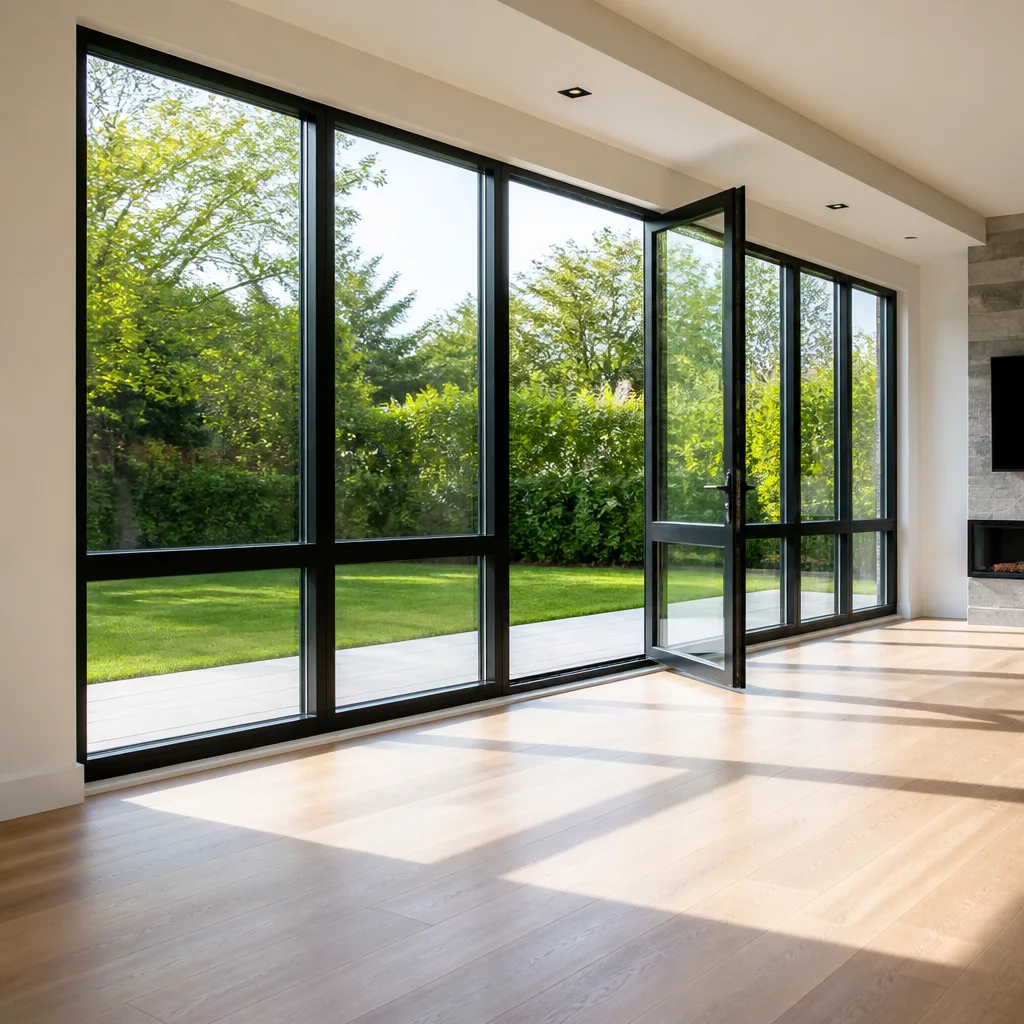
Positive and negative air-pressure testing verifies that your windows resist infiltration under wind load. Professional testing uses a blower door and manometer. At home, you can establish a meaningful baseline with simple methods and track degradation over time.
Negative pressure test (infiltration). On a windy day, close all windows and doors. Light a stick of incense and hold it near the frame perimeter, moving slowly. Smoke drawn inward indicates leakage. Test at the lock side first, then the header, then the sill. Document which locations show movement; this pattern reveals whether the issue is weatherstrip, lock engagement, or frame gap.
Positive pressure test (exfiltration). Close the house and run the kitchen exhaust fan and bathroom fans simultaneously. This creates slight negative pressure inside, which reverses to positive at the window when wind strikes. Feel for air movement at the frame perimeter with a damp hand; evaporation detects leaks the incense method misses.
Water spray simulation. Use a garden sprayer with a fine mist setting, not a pressure washer. Spray the exterior perpendicular to the glass for two minutes at each location. Check the interior for moisture at the frame corners and sill. This approximates the ASTM E547 water spray test at reduced pressure. In Miami Lakes, where wind-driven rain exceeds 8 inches per hour in summer thunderstorms, this test reveals vulnerabilities before they become interior damage.
Logging and comparison. Record the date, wind speed from a weather app, and which windows showed leakage. Repeat annually before hurricane season. Degradation from one year to the next, not absolute performance, is the signal that maintenance or repair is needed.
What Voids Manufacturer Warranties in South Florida Conditions
Manufacturer warranties for windows installed in Miami Lakes contain specific exclusions that coastal homeowners trigger unknowingly, as detailed in our guide on Windows & Doors Permits, Codes & Inspections in FL: What You Need to Know. The written warranty document, which you should have received with your installation paperwork, governs; verbal assurances from sales staff do not.
Sealant incompatibility with factory finishes. Many aluminum window frames receive a fluoropolymer or anodized finish. Applying silicone sealants containing acetic acid (acetoxy cure) over these finishes causes chemical degradation that voids the finish warranty. Neutral-cure silicones are specified for a reason. If a subsequent contractor applies the wrong sealant during repair or trim work, the manufacturer denies finish claims even when the window was originally correct.
Field-applied coatings. Painting or powder-coating a factory-finished frame voids the finish warranty. The thermal expansion coefficients differ, and the field-applied coating traps moisture. We have seen this in Miami Lakes homes where owners matched window color to revised exterior paint schemes.
Hardware substitution. Replacing a multi-point lock component with a non-OEM part voids the hardware warranty and often the impact rating. The lock system is tested as an assembly; substitution breaks the chain of compliance.
Structural modification. Cutting the frame for a pet door, dryer vent, or security device voids the product warranty and the installation certification. This includes drilling new holes for mounting interior blinds or security film attachment.
Neglect of maintenance. Most warranties require “reasonable maintenance” without defining it. The checklist on this page exceeds that standard. Document your maintenance with dated photographs; if a claim arises, evidence of care supports your position.
Improper cleaning. Abrasive cleaners, solvents, and pressure washers damage finishes and glazing. The correct method: mild detergent, soft cloth, rinse with fresh water. The salt residue that accumulates in Miami Lakes should be rinsed monthly; letting it build and then scrubbing aggressively causes the damage the warranty excludes.
Pre-Hurricane Season Maintenance Protocol
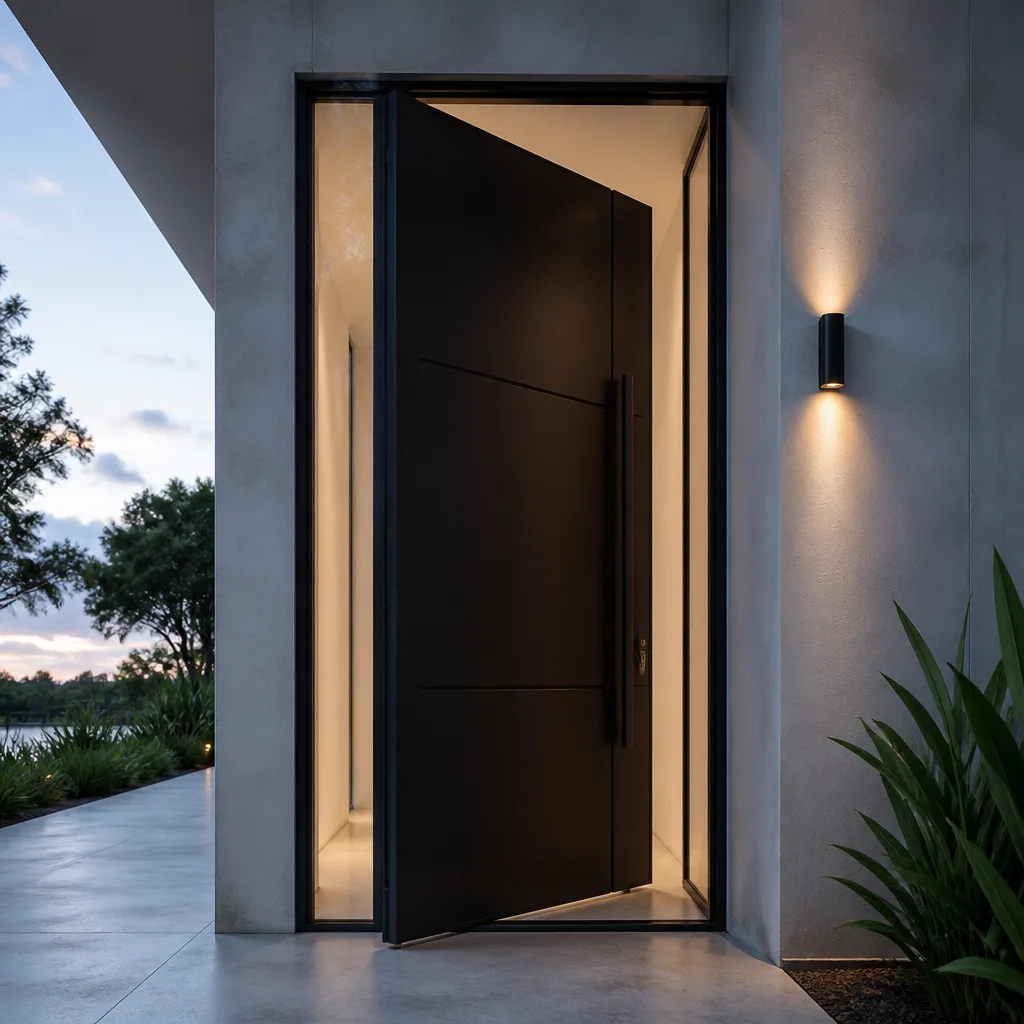
Hurricane season begins June 1. In Miami Lakes, the preparation window is April through May, before the daily rain pattern complicates exterior work. This protocol integrates with the annual hardware maintenance schedule.
- Inspect impact-rated label integrity. The permanent label or etching identifying the product as impact-rated must be legible. Faded or damaged labels complicate insurance claims and code compliance verification. Photograph annually for your records.
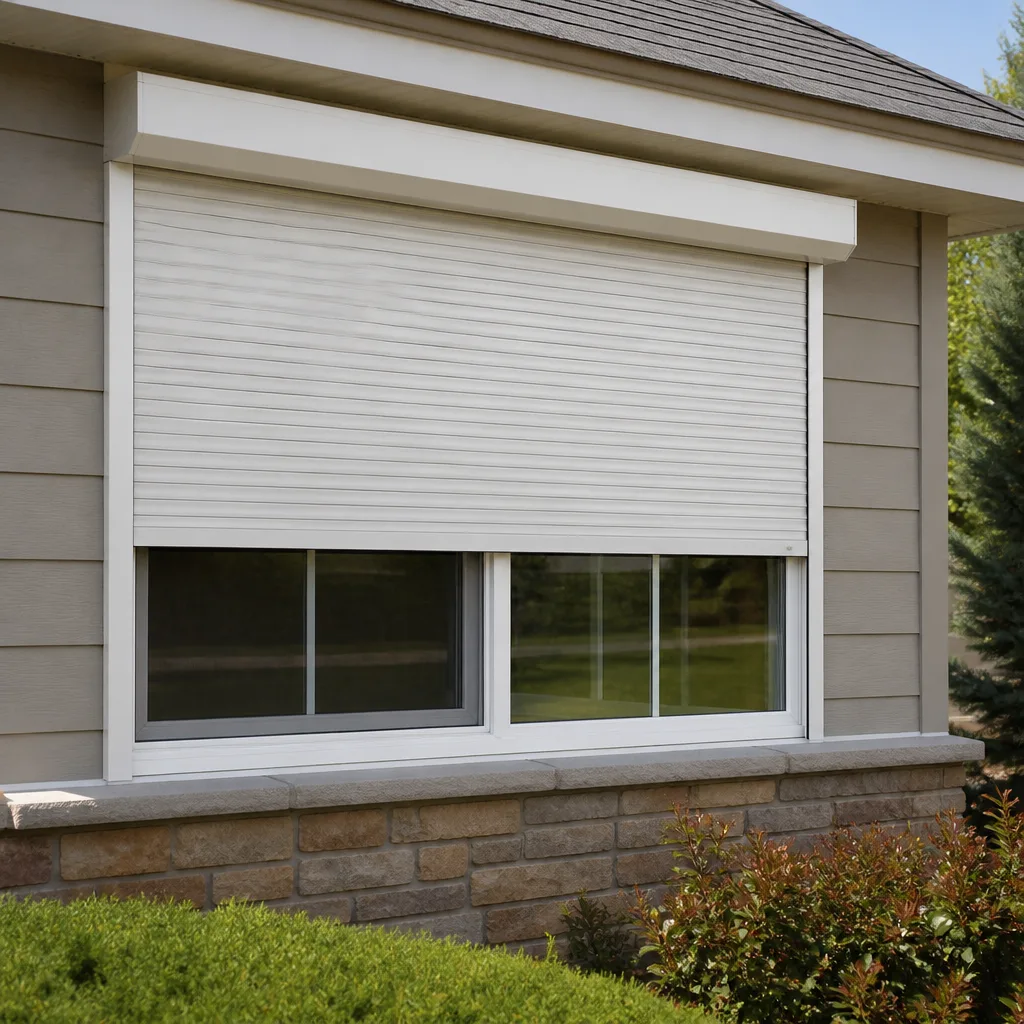
- Verify secondary protection readiness. If your windows have removable storm panels or accordion shutters, test deployment. Lubricate tracks and verify fastening points. The window installation and the shutter system are interdependent; a failed shutter transfers load the window was not designed to accept alone.
- Clear drainage paths. Remove debris from window wells, areaway drains, and landscape grading that directs water toward the foundation. Hydrostatic pressure against the sill pan exceeds its design head when drainage is blocked.
- Test emergency egress operability. Every bedroom window must open without tools from the inside. Paint, humidity swelling, or hardware corrosion can seize fixed or operable units. Test each; the time to discover failure is not during an evacuation.
- Document current condition. Update your photograph folder with current images. If storm damage occurs, pre-storm documentation accelerates insurance and warranty claims. Include wide shots showing surrounding landscape and drainage; these establish causation.
- Review your written quote and warranty documents. Confirm you have the manufacturer’s warranty, the installer’s workmanship warranty, and the product approval documentation. In Miami Lakes, building department records may be consulted; having your own copies prevents delay.
Common Mistakes to Avoid
- Using a pressure washer on windows or tracks. The high-pressure stream forces water past weatherstrip and into the frame cavity, and it can deform aluminum components. In Miami Lakes, where pressure washer use is common for exterior cleaning, this is a frequent cause of concealed water damage.
- Applying car wax or polymer sealant to window frames. These products contain solvents and UV inhibitors formulated for automotive paint, not fluoropolymer architectural finishes. The chemistry is incompatible and causes streaking, then peeling, then finish failure.
- Ignoring weep holes because “the window is new.” Weep-hole blockage occurs within weeks in pollen season, not years. The assumption that new construction is clean construction costs homeowners in warranty disputes when water damage appears.
- Adjusting multi-point locks without a torque screwdriver. The “good and tight” method strips threads or leaves screws loose enough to back out. Both conditions cause lock failure under impact load. The tool costs less than one service call.
- Waiting for visible water intrusion before acting. By the time water appears on interior drywall, the wall cavity has been wet through multiple rain events. The maintenance checklist is designed to catch conditions before they reach this stage.
- Assuming all silicone sealants are equivalent. Acetoxy-cure silicones release acetic acid and attack aluminum; neutral-cure silicones do not. The wrong product, applied by a well-meaning homeowner or handyman, voids the finish warranty and accelerates corrosion.
- Discarding installation documentation. The measured survey, written quote, product labels, and warranty documents form a chain of evidence. Store them with your insurance papers, not in a file you might misplace during a move or renovation.
When to Call a Professional

Some conditions exceed homeowner maintenance and require documented professional assessment. Call a qualified installer when: the frame-to-rough-opening gap has closed at any corner; glazing tape delamination exceeds 2 inches in any dimension; the sash binds or the lock mechanism cams over despite lubrication and adjustment; you observe interior water staining at the frame perimeter; or your annual air-pressure test shows new leakage at previously tight locations.
These symptoms indicate installation defect, product failure, or structural movement that demands diagnosis with the original documentation in hand. Sightline Windows & Doors Miami Lakes offers free estimates in Miami Lakes. We will review your baseline documentation against current condition and provide a written scope and price before any work begins. Call (786) 755-8730.
Frequently Asked Questions
Inspect at 90 days, then annually before hurricane season, with additional checks after named storms. The 90-day inspection catches installation defects while they are still the installer’s responsibility; annual maintenance prevents cumulative degradation from salt air and UV exposure. Call (786) 755-8730 for a free estimate if your 90-day inspection reveals concerns.
Professional annual maintenance for a typical single-family home ranges from $150 to $400, depending on window count and accessibility. DIY maintenance costs $30 to $60 in materials: torque screwdriver, dry PTFE lubricant, neutral-cure silicone for touch-ups, and replacement weatherstrip. See our Windows & Doors Cost Breakdown: The Miami Lakes Homeowner’s Reference for 2026 for detailed pricing context. The 365-Day Done Right Promise from Sightline covers correction of installation defects at no charge within the first year. Call (786) 755-8730 for an exact quote; estimates are free.
Homeowners can perform routine maintenance: cleaning, lubrication, weep-hole clearing, and weatherstrip replacement. Work that affects the impact rating, including hardware replacement, frame modification, or sealant application at structural joints, requires documentation by the original installer or a licensed contractor to preserve warranty and code compliance. Window replacement in Miami Lakes must maintain the product approval chain.
Quality impact-rated windows last 20 to 30 years in South Florida with documented maintenance. Without maintenance, salt-air corrosion and UV degradation reduce service life to 10 to 15 years. The difference is not the product; it is the maintenance interval. Our 18,000+ installations since 2012 include units in coastal Miami-Dade that remain in specification due to disciplined homeowner care.
At Sightline, the written price before any work starts is Haven Clause 1. The measured survey and the quote are the same document. If additional conditions are discovered, we document them, provide a revised written scope, and obtain your authorization before proceeding. No change orders without prior written agreement. This applies to maintenance assessments as well as installations.
Permit requirements in Miami Lakes depend on scope. Replacement of existing windows in the same opening typically requires a building permit in Miami-Dade County. Maintenance of existing windows does not. We pull all required permits, schedule inspections, and provide the passed inspection documentation as part of our standard process. The permit record protects your title insurance and resale value.
The Bottom Line
A window installation in Miami Lakes is not complete when the crew leaves. The salt-air environment, rapid thermal cycling, and hurricane exposure create a 90-day window when defects become visible and a maintenance interval that preserves performance for decades. For more guides & resources on protecting your home, explore our blog. Document the installation with 12 baseline photographs. Inspect at 90 days for weep-hole blockage, frame gap migration, and glazing tape delamination. Maintain hardware annually with proper torque and lubrication. Test air-pressure performance with simple home methods and log the results. Understand what voids your warranty before you trigger an exclusion. This checklist transforms maintenance from an afterthought into a documented practice that protects your investment and your evidence chain.
Written by Sonia Raman, Owner at Sightline Windows & Doors Miami Lakes, serving Miami Lakes since 2012.