
Last updated September 24, 2026
Free in-home measure and quote - PGT, CGI and CWS impact lines compared on your actual openings, style by style
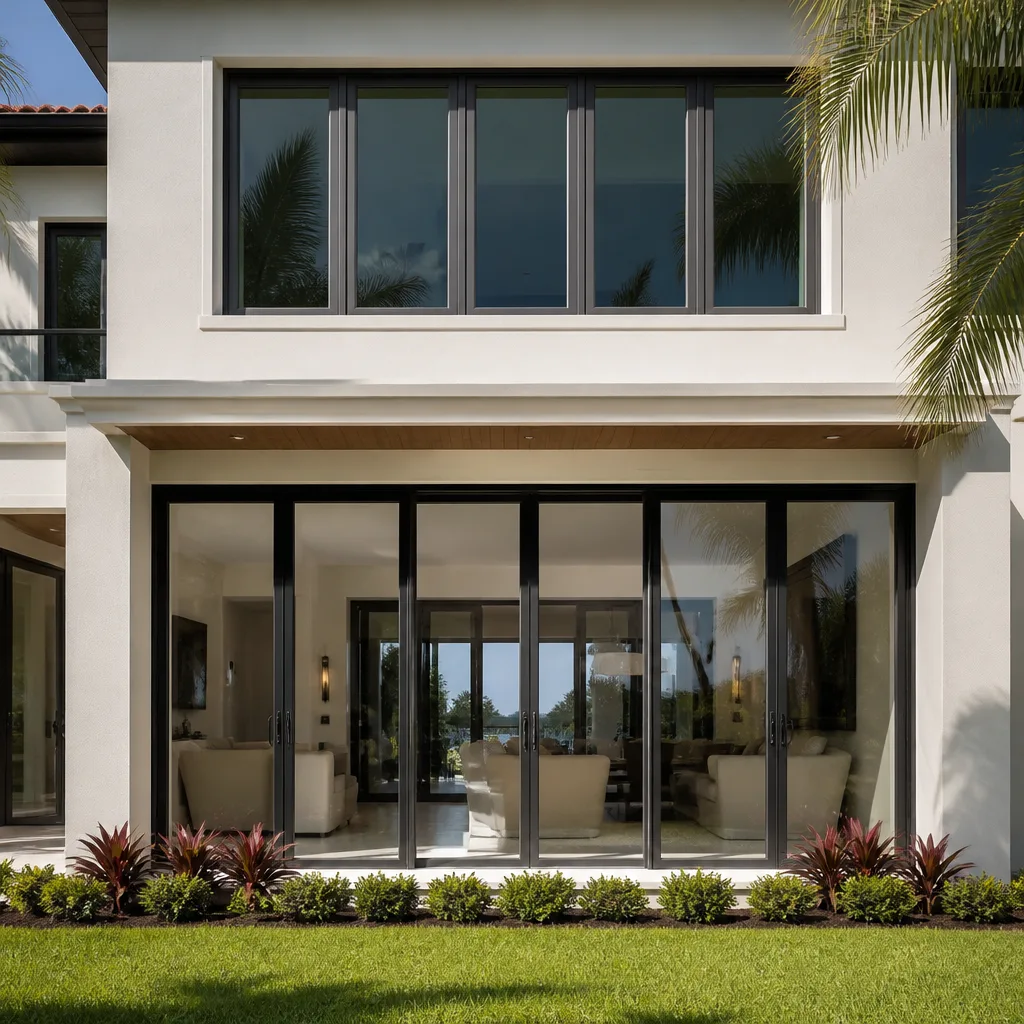
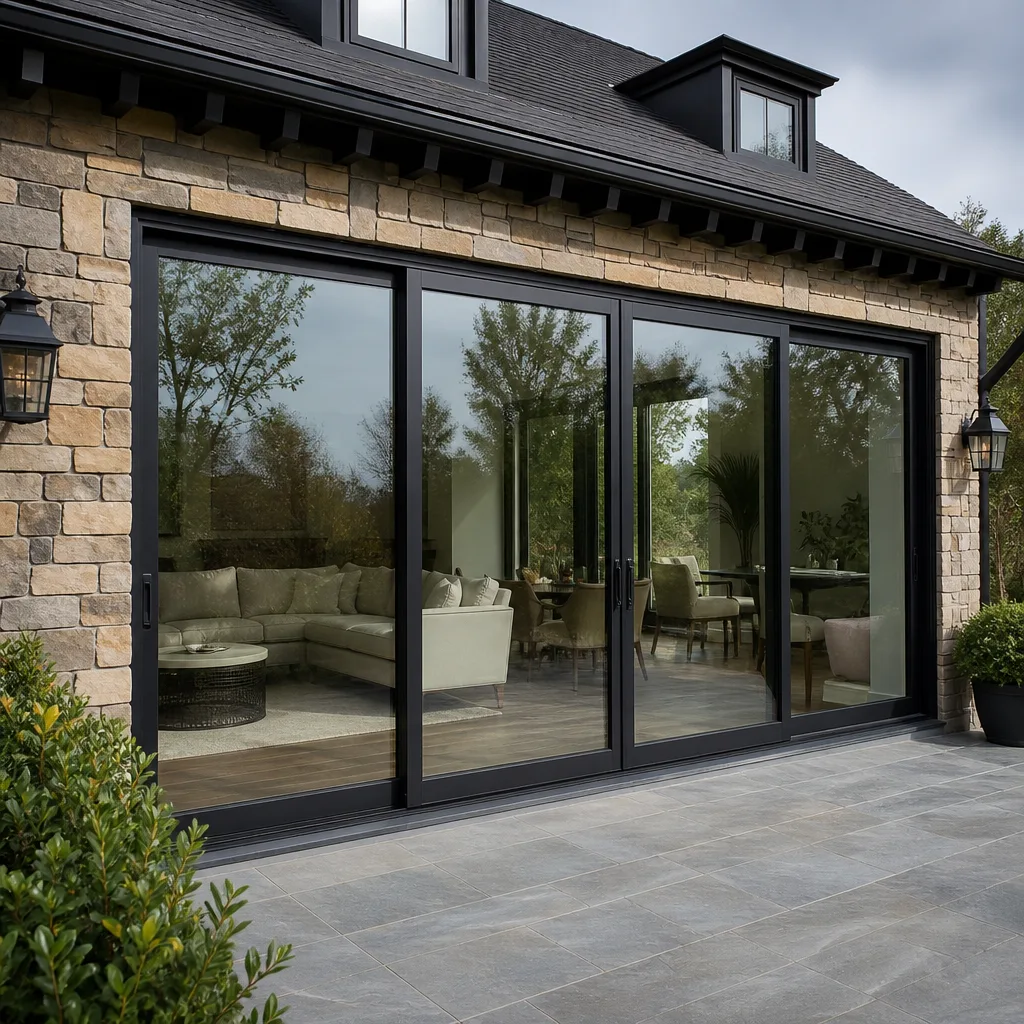
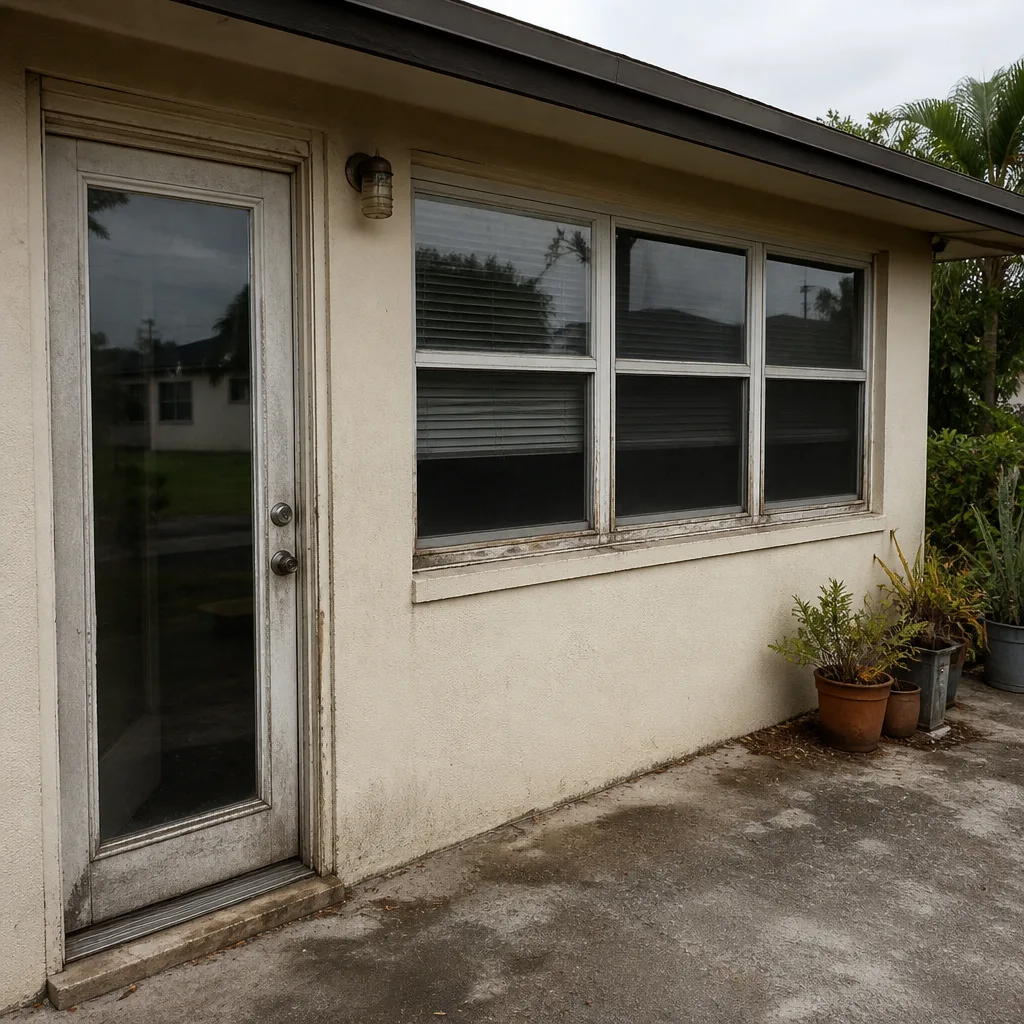 Before
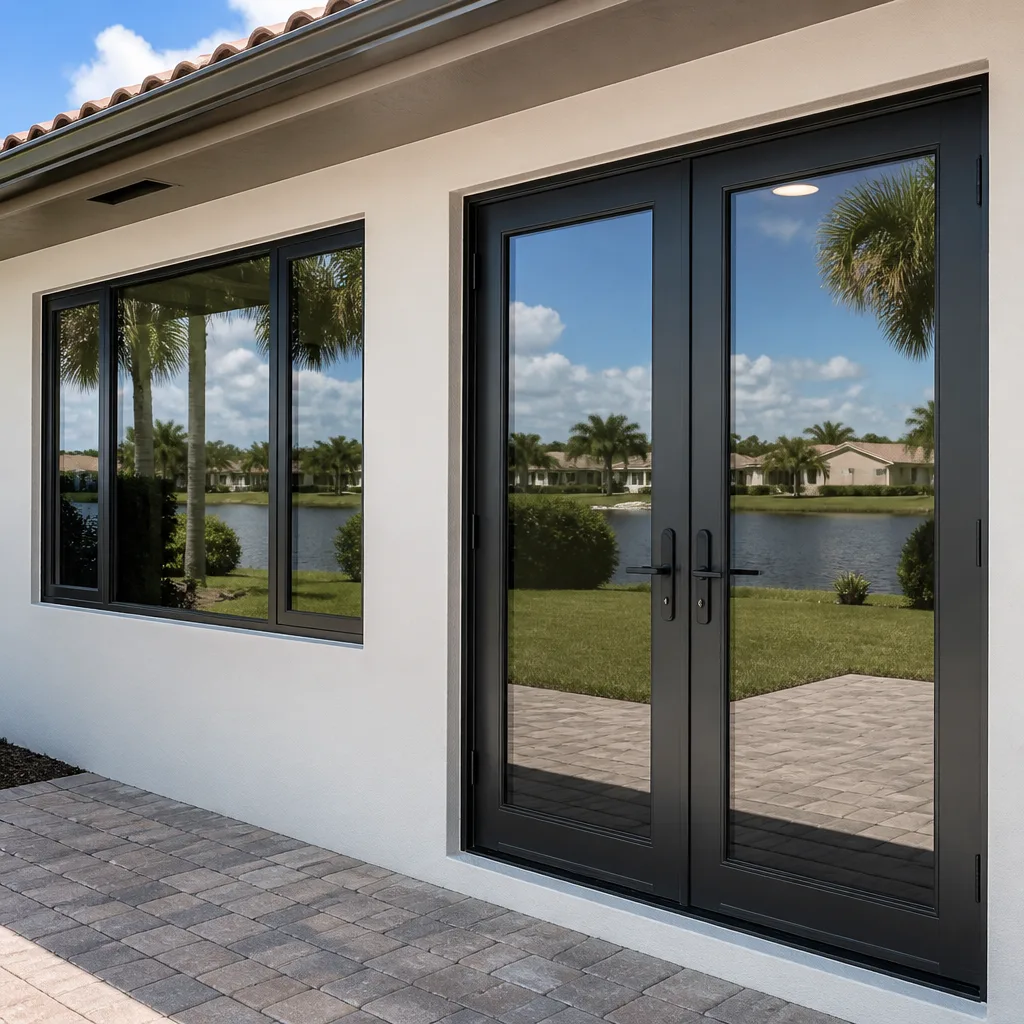 After
After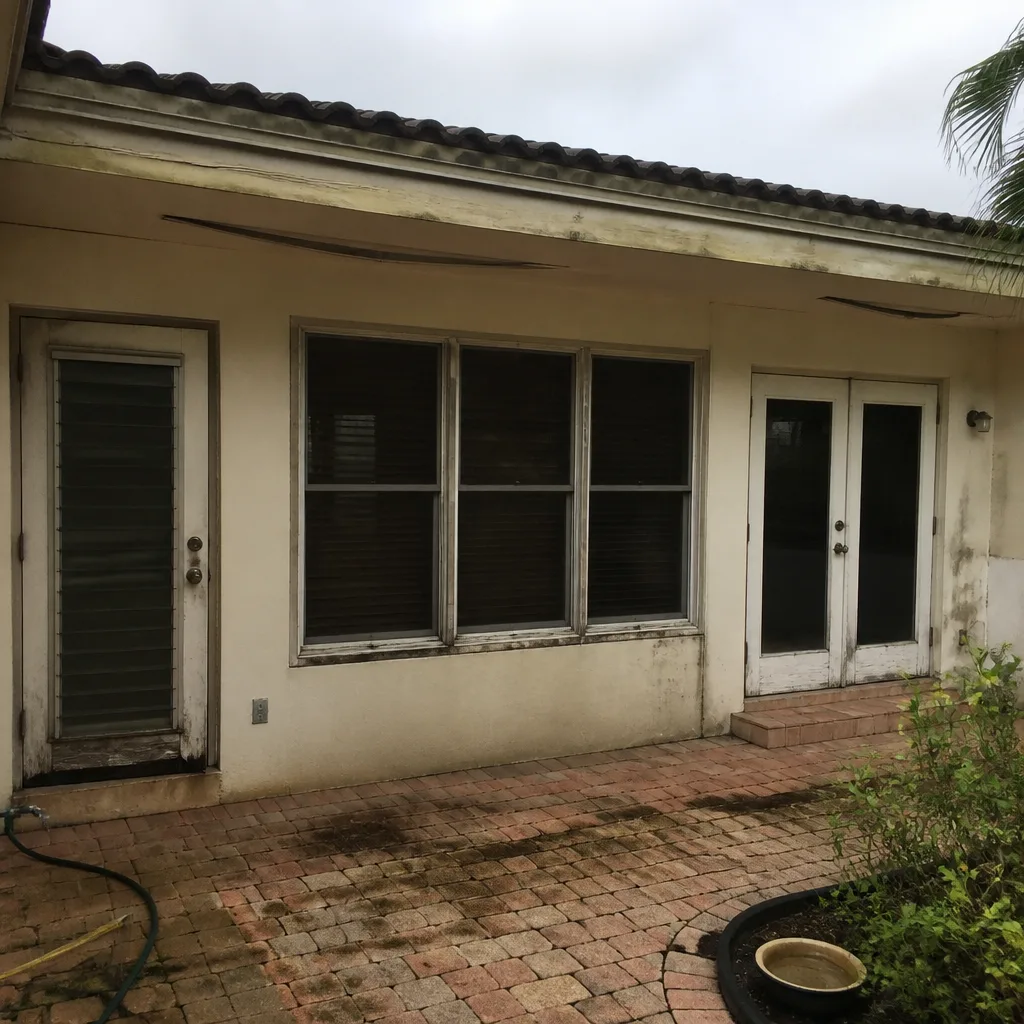 Before
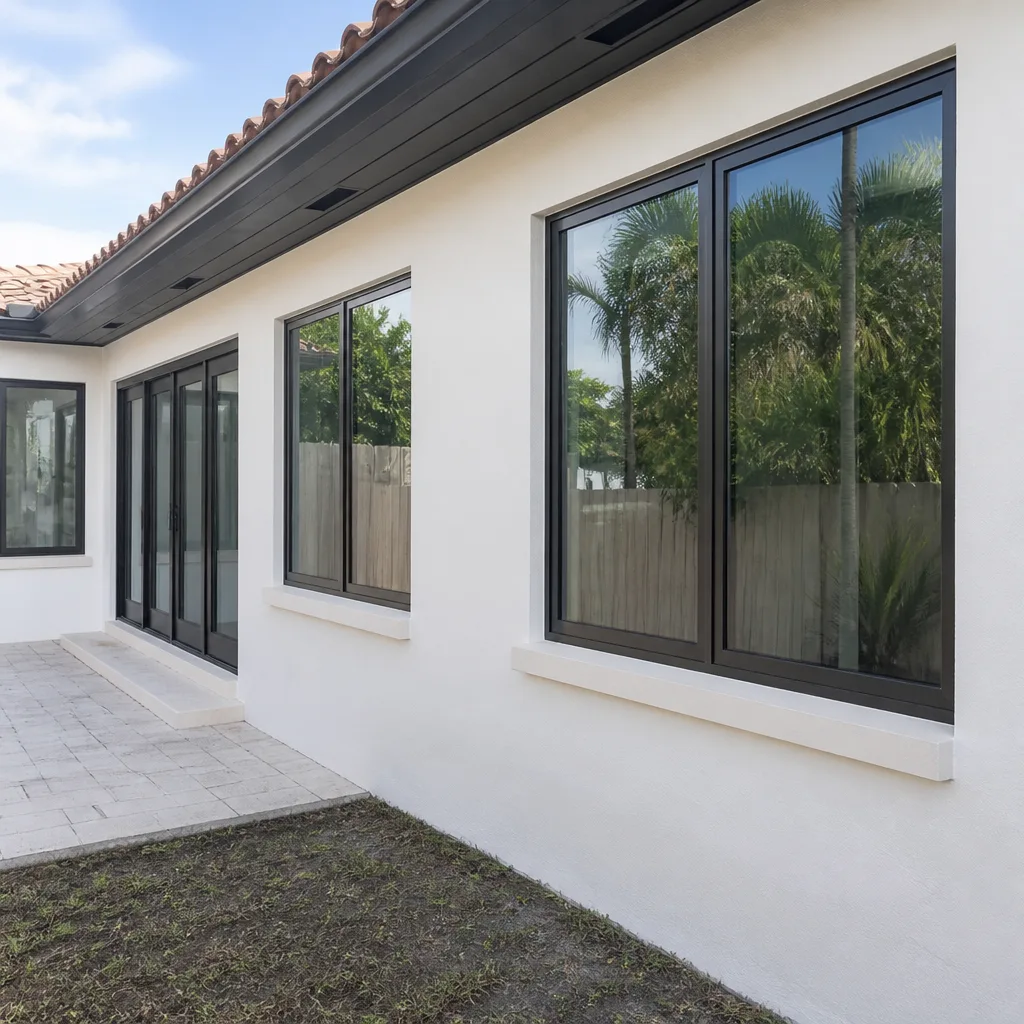 After
After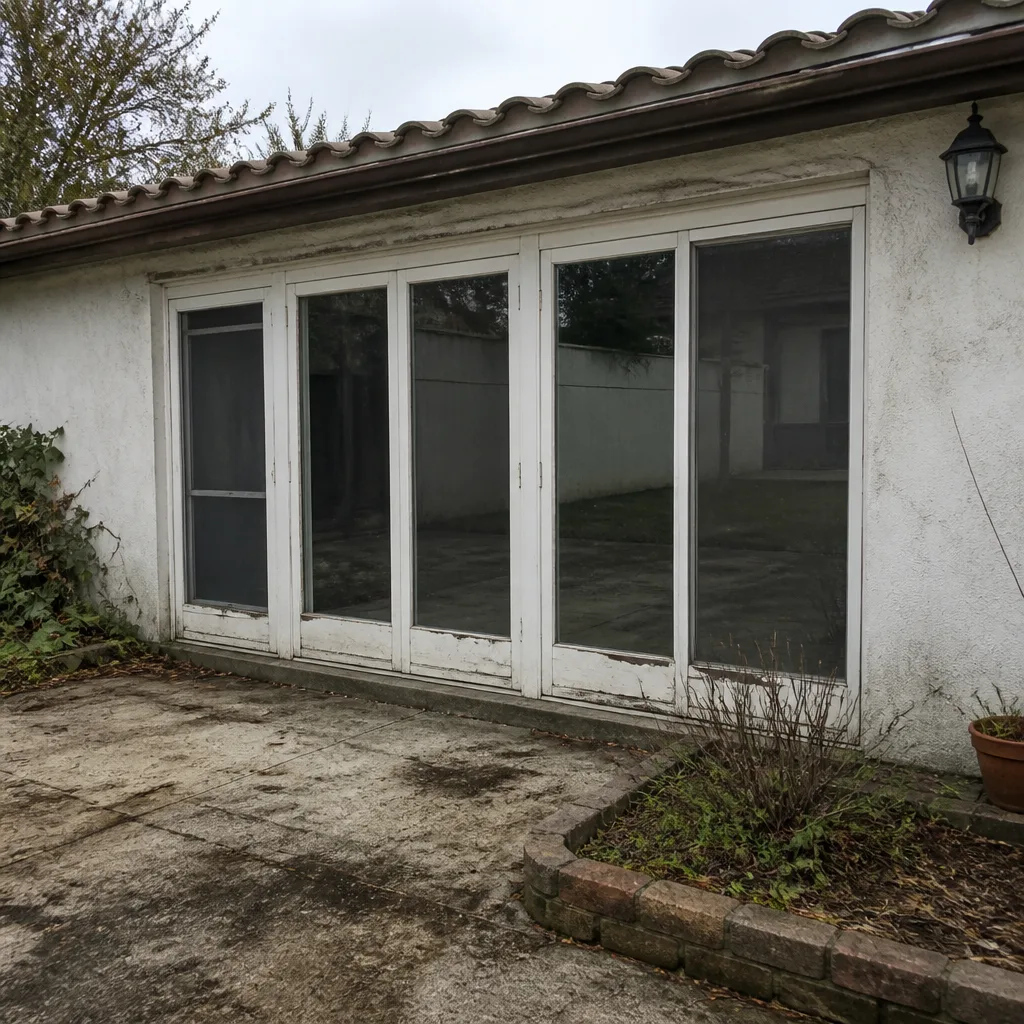 Before
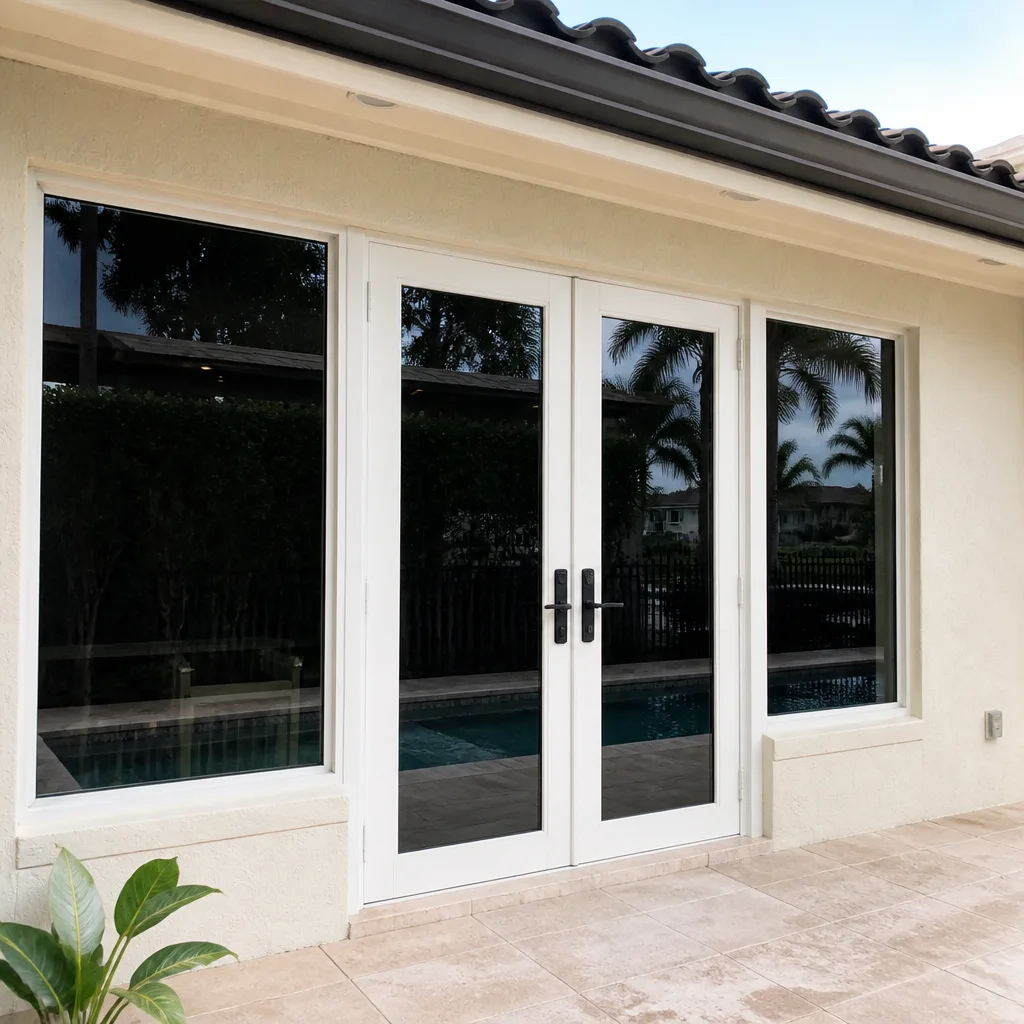 After
AfterDIY vs Professional Windows & Doors: The Miami Lakes Homeowner’s Decision Guide
Florida Statute 489.103(7) allows homeowners to act as their own contractor for their primary residence. But Miami-Dade County’s local amendment requires the permit applicant to demonstrate product-approval compliance at submission - a step that demands reading and submitting manufacturer NOA documents correctly, or the permit is rejected before inspection is scheduled. In our experience across 18,000+ openings since 2012, the gap between “legally permitted” and “properly installed” in Miami Lakes is wider than most homeowners discover until they’re already committed. This guide documents the specific Miami-Dade requirements that determine where that line falls, what compliance actually costs in hours and dollars, and how the public record of an owner-built permit follows the property.
Quick Answer
Homeowners in Miami Lakes can legally install their own windows and doors under Florida’s owner-builder exemption, but Miami-Dade County requires product-approval documentation, third-party structural inspection, and proper NOA submission that most DIYers cannot complete without specialized knowledge. The permit process alone typically takes 15-25 hours for a first-timer, and failed inspections trigger re-inspection fees starting at $150 plus project delays. For most Miami Lakes properties, professional installation from a licensed contractor with verified product lines and documented photo records carries lower total cost and liability than true DIY completion - a point covered in our How to Hire a Windows & Doors Contractor in Miami Lakes: A Step-by-Step Guide.
Table of Contents

- The Legal Framework: Florida’s Owner-Builder Exemption vs. Miami-Dade’s Local Rules
- What BORA Actually Requires: The Permit Checklist for Windows and Doors
- The Structural Inspection: What Miami-Dade Inspectors Evaluate and What Failure Costs
- Realistic Hour Count: DIY vs. Professional Installation for a 10-Opening Project
- Insurance and Resale Liability: How Owner-Built Permits Appear in Public Records
- Product Approval Documentation: Reading NOAs for Impact and Non-Impact Openings
- Miami Lakes Climate Factors That Affect Installation Decisions
- Cost Comparison: When DIY Savings Exist and When They Disappear
 Before
 After
AfterThe Legal Framework: Florida’s Owner-Builder Exemption vs. Miami-Dade’s Local Rules
Florida Statute 489.103(7) grants homeowners the right to act as their own contractor on their primary residence, provided they personally perform the work or directly supervise others who are not contractors. The statute is straightforward on paper. Miami-Dade County’s local amendments make the practical application considerably more complex for window and door work specifically.
Three local conditions modify the state exemption for Miami Lakes homeowners:
- Product-approval compliance at submission. Miami-Dade requires the permit applicant to submit manufacturer Notice of Acceptance (NOA) documentation with the initial application. The state statute does not mention this requirement. BORA will reject incomplete NOA packets before scheduling inspection.
- Third-party structural inspection mandate. Miami-Dade Ordinance 8-6 requires a third-party structural inspection for all window and door installations affecting the building envelope. The homeowner must contract separately with a Florida-licensed engineer or architect to perform this inspection and submit the signed report to BORA. The state statute contains no equivalent requirement.
- Wind-borne debris zone verification. Miami Lakes sits within the High-Velocity Hurricane Zone (HVHZ) as defined by the Florida Building Code. Every window and door installation must demonstrate compliance with HVHZ standards through specific product markings and installation methods. The state statute does not distinguish between HVHZ and non-HVHZ jurisdictions.
These three conditions create a documented liability threshold. A homeowner who installs without permits faces fines starting at $250 per opening and mandatory removal at personal expense. A homeowner who pulls the permit but fails inspection faces re-inspection fees, project delays, and potential code violation citations that must be resolved before final approval.
We’ve reviewed permits pulled by Miami Lakes homeowners who understood the state exemption but missed the local amendments. The most common error: submitting product cut sheets instead of full NOA documents. Cut sheets are marketing literature. NOAs are 15-40 page technical submissions reviewed by the Miami-Dade Product Control Division for structural, water infiltration, and impact resistance performance. BORA clerks spot the difference immediately and reject the application.
The window installation process in Miami Lakes requires navigating this framework whether the permit holder is a licensed contractor or the property owner. The difference is that a licensed contractor has processed hundreds of these applications and maintains current NOA libraries for all product lines they install.
What BORA Actually Requires: The Permit Checklist for Windows and Doors
Building and Occupancy Regulatory Affairs (BORA) processes all window and door permits for Miami Lakes properties. The application requirements for an owner-builder differ from contractor applications in only one respect: the owner must sign an affidavit acknowledging personal liability for code compliance. Every other requirement remains identical.
Here is the complete submission checklist for a standard window replacement permit on a single-family residence in Miami Lakes:
- Completed BORA permit application. Available online or in person at the Stephen P. Clark Government Center. The application requires property folio number, legal description, and owner-builder affidavit.
- Two complete sets of construction documents. Must include floor plans showing all openings with dimensions, elevation drawings, and cross-sections indicating wall construction type and thickness. Hand-drawn plans are accepted if drawn to scale with 1/4 inch minimum lettering.
- Manufacturer NOA for each product. Must be current, unexpired, and specific to the exact product model being installed. NOAs expire and are revised; BORA verifies the version number against the Product Control Division database.
- Product drawings with rough-opening specifications. Must show minimum and maximum rough-opening dimensions, fastening schedule, and sill pan flashing details. Generic installation guides are not accepted.
- Miami-Dade County impact-rated product verification. For any opening within the HVHZ, products must carry Miami-Dade County approval number or Florida Product Approval number with HVHZ designation. Standard Florida Product Approval without HVHZ marking is insufficient.
- Energy compliance documentation. Must demonstrate compliance with Florida Energy Conservation Code Chapter 4. Typically requires U-factor and SHGC ratings for all glazed products, documented on NFRC labels or manufacturer certified ratings.
- Third-party structural inspection contract. Must name the licensed Florida engineer or architect who will perform the required structural inspection and submit the signed report.
- Notice of commencement. Required if total project value exceeds $2,500. Must be recorded with the Miami-Dade County Clerk before work begins.
Each NOA submission requires careful cross-referencing. The product model on the NOA must match the product model on the drawings. The installation method on the NOA must match the fastening schedule on the drawings. The design pressure rating on the NOA must meet or exceed the design pressure required for the specific wind zone and exposure category of the Miami Lakes property.
We’ve seen homeowners spend eight hours on NOA verification alone for a six-opening project. The documents are not written for lay readers. They reference ASTM standards, AAMA specifications, and TAS test protocols that assume professional familiarity. A single mismatched page number between the NOA and the product drawing triggers rejection.
For door installation in Miami Lakes, the requirements expand further. Sliding glass doors, French doors, and entry doors each carry separate NOA categories. Impact-rated garage doors require additional Miami-Dade County testing documentation beyond standard NOA requirements. The Sightline Windows & Doors Miami Lakes home page catalogs our verified product lines, each with current NOA documentation maintained in our library.
The Structural Inspection: What Miami-Dade Inspectors Evaluate and What Failure Costs
The third-party structural inspection is where most owner-builder window and door projects in Miami Lakes encounter problems. This inspection is mandatory, separate from the BORA final inspection, and evaluates structural integrity rather than cosmetic completion.
A Florida-licensed engineer or architect must personally observe and sign off on:
- Fastener type, spacing, and embedment depth against the NOA specification
- Shim placement and load transfer path from frame to rough opening
- Sill pan installation and end dam continuity
- Flashing integration with weather-resistive barrier
- Sealant bead dimensions and backing material
- Impact-resistant glazing label verification and anchorage
The inspector does not evaluate whether the window operates smoothly or whether the trim is straight. Those items belong to the BORA final inspection. The structural inspector evaluates whether the installation will resist the wind loads specified in the Florida Building Code for that specific Miami Lakes address.
Common failures on owner-builder permits in Miami Lakes include:
- Incorrect fastener spacing. NOAs specify maximum spacing in inches, not “approximately.” A homeowner who spaces fasteners at 12 inches where 8 inches is required fails inspection and must remove fasteners, patch holes, and reinstall.
- Missing sill pan end dams. The sill pan must turn up at both ends to prevent water migration into the wall cavity. This detail is frequently omitted in DIY installations because it requires precise field cutting.
- Improper shimming. Shims must transfer load directly to the framing, not to sheathing or trim. Plastic shims are often used where hardwood or composite shims are specified for structural loads.
- Glazing label mismatch. The impact-rated label on the glass must match the NOA exactly. Substitutions, even from the same manufacturer, fail inspection.
The cost of failure is specific. Re-inspection fees start at $150 per visit. Each failure requires correction and re-scheduling, typically adding one to two weeks to project timeline. If the third-party inspector identifies systemic errors, they may require partial or complete removal and reinstallation. We’ve been called to Miami Lakes properties where the homeowner had completed installation, failed structural inspection twice, and faced removal of all work at personal expense.
The documented photo record that Sightline provides on every job under the Haven Standard exists precisely for this verification. Our technicians photograph each fastening, each shim, each sill pan end dam before trim covers the work. The structural inspector reviews these photos before the site visit, and the homeowner keeps the record.
Realistic Hour Count: DIY vs. Professional Installation for a 10-Opening Project
The time investment for a 10-opening window replacement in Miami Lakes breaks into distinct phases. Most homeowners underestimate the pre-installation and post-installation requirements while overestimating their installation speed, which is why we created a Window Installation Maintenance Checklist for Miami Lakes Homeowners.
DIY Hour Estimate for 10 Openings
| Phase | Hours (First-Time Owner-Builder) | Notes |
|---|---|---|
| Permit research and NOA acquisition | 8-12 | Contacting manufacturers, verifying current NOAs, cross-referencing product models |
| Construction document preparation | 6-10 | Measuring all openings, drawing to scale, labeling products |
| BORA application and submission | 2-4 | Online or in-person; may require multiple visits for corrections |
| Third-party inspector engagement | 2-3 | Soliciting quotes, scheduling, contract review |
| Material procurement and delivery coordination | 4-6 | Ordering windows with correct lead times, scheduling crane or forklift if needed |
| Site preparation and protection | 3-4 | Interior protection, exterior access, debris containment |
| Removal of existing windows | 6-8 | Careful removal to preserve interior trim where possible |
| Installation of new windows | 20-30 | Assumes standard double-hung or single-hung; geometric or custom shapes add time |
| Flashing, sealing, and weatherproofing | 8-12 | Critical for passing structural inspection; cannot be rushed |
| Interior trim and finish work | 10-15 | Assumes paint-ready finish; stained woodwork adds time |
| Third-party structural inspection | 2-3 | Inspector’s site time plus report preparation |
| BORA final inspection scheduling and completion | 2-4 | May require multiple visits if corrections needed |
| Correction of inspection deficiencies | 4-12 | Highly variable; zero if passed first time |
| Site cleanup and debris disposal | 3-5 | Miami-Dade waste facilities; no curbside disposal for construction debris |
| Total DIY Hours | 80-128 | Spread across 4-10 weeks including permit processing and inspection scheduling |
Professional Installation Hour Estimate for 10 Openings
A licensed contractor with established BORA relationships, current NOA libraries, and crew scheduling completes the identical scope in approximately 40-60 total hours across 2-3 working days. The homeowner’s time commitment: the initial measured survey appointment (1 hour), permit application signature (15 minutes), and final walkthrough (30 minutes).
The installed price for 10 standard vinyl or aluminum impact-rated windows in Miami Lakes, based on our 2024 project data, ranges from $8,500 to $14,000 depending on product tier and opening conditions. This price includes all permit fees, third-party structural inspection, BORA final inspection, and the 365-Day Done Right Promise.
At a conservative $50/hour imputed value for homeowner time, the DIY approach carries $4,000-$6,400 in labor cost before material purchase. Material costs for 10 impact-rated windows purchased at retail typically range $5,000-$9,000. Total DIY cost: $9,000-$15,400, with no workmanship warranty and full personal liability for code compliance.
The professional price includes product specification by performance requirement, not by margin. Our eight manufacturer lines - including PGT for impact-rated vinyl, CGI for aluminum coastal applications, and Therma-Tru for entry systems - are selected by what the opening requires and what the homeowner’s budget accommodates.
Insurance and Resale Liability: How Owner-Built Permits Appear in Public Records
The permit record for an owner-builder installation in Miami Lakes enters the public record permanently. It is searchable by property address through BORA’s online permit history and appears in title searches during property sale. This record carries specific implications that most homeowners do not consider until they encounter them.
Windstorm insurance coverage. Florida insurers increasingly require documentation of permit compliance for all window and door installations in HVHZ areas. An owner-built permit with failed or incomplete inspections may trigger coverage disputes after storm damage. Some insurers now require photographic evidence of installation compliance, which the DIY homeowner rarely maintains. The documented photo record that accompanies every Sightline installation provides this evidence as standard practice under Haven Clause 4 (Evidence on every job).
Property sale disclosure. Florida residential property sellers must disclose known defects and code violations. An owner-built permit with open or failed inspections constitutes a known defect requiring disclosure. Even properly closed permits may require explanation to buyers who understand that owner-builder work carries no contractor warranty. We’ve received calls from Miami Lakes homeowners whose sale was delayed because a 2018 owner-builder window permit required additional inspection documentation the seller could not produce.
Liability duration. Florida’s statute of limitations for construction defects is four years from completion, but the discovery rule can extend this period. An owner-builder assumes personal liability for latent defects that may not manifest for years. A licensed contractor carries general liability insurance and, in Sightline’s case, the 365-Day Done Right Promise backed by documented installation records.
Permit history review by buyers. Sophisticated buyers in Miami Lakes - particularly those purchasing properties built between 2015 and 2025, our core customer demographic - routinely review permit histories. Multiple owner-builder permits may signal deferred maintenance or unpermitted work elsewhere on the property. A clean permit history with licensed contractor completions provides buyer confidence that translates to smoother transactions and stronger offers.
The window replacement process in Miami Lakes through a licensed contractor creates a transferable record of compliance. The permit lists the contractor’s license number, insurance verification, and warranty documentation. The buyer inherits the benefit of that record.
Product Approval Documentation: Reading NOAs for Impact and Non-Impact Openings
The Notice of Acceptance is the technical document that makes or breaks a Miami Lakes window or door permit. Understanding its structure is essential for any homeowner considering DIY installation, and the document’s complexity explains why most owner-builders encounter submission delays.
A complete NOA for an impact-rated window contains these sections:
- Product description and scope. Identifies the specific product series, materials, and configurations covered. A PGT WinGuard vinyl double-hung carries a different NOA than a PGT WinGuard aluminum single-hung. Substitutions are not permitted.
- Design pressure ratings. Expressed in pounds per square foot (psf) for positive and negative loads. The Miami Lakes property’s required design pressure depends on wind speed (170 mph for Miami-Dade), exposure category, mean roof height, and building type. The NOA rating must equal or exceed the calculated requirement.
- Installation requirements. Specifies fastener type, diameter, length, spacing, and embedment. May require specific anchor types for concrete or masonry construction common in Miami Lakes homes built 1960-1990.
- Glazing requirements. Identifies approved glass suppliers, thicknesses, and interlayer specifications for laminated impact glass. Glass substitutions require separate engineering evaluation.
- Flashing and sealing details. Diagrams the required weatherproofing sequence, including sill pan configuration, jamb flashing integration, and head flashing termination.
- Limitations and conditions. Restrictions on maximum size, prohibited configurations, and required maintenance. Often overlooked by DIY installers.
NOA revision tracking is critical. Manufacturers update NOAs as products evolve or testing standards change. BORA accepts only the current revision. A homeowner who downloaded an NOA in 2022 may submit an expired document in 2024. Sightline maintains current NOA libraries for all eight manufacturer lines, with revision alerts from the Product Control Division.
For non-impact openings in Miami Lakes - rare given the HVHZ requirement, but permitted for certain interior applications or properties with approved shutters - the NOA structure is similar but omits impact testing references. The energy compliance documentation becomes more prominent, with U-factor and SHGC requirements for Florida Climate Zone 1.
We’ve specified ViewLux products for Miami Lakes homeowners seeking value-tier performance with full NOA compliance, and Therma-Tru entry systems where door replacement requires integrated sidelight and transom configurations. Each specification is documented in the measured survey the customer keeps, with the NOA reference number recorded for permit attachment.
Miami Lakes Climate Factors That Affect Installation Decisions
Miami Lakes occupies a specific position in South Florida’s climate geography that influences window and door performance requirements and installation methodology. Understanding these factors helps explain why local amendments to state law exist and why product selection cannot follow national guidelines.
High-Velocity Hurricane Zone exposure. Miami Lakes sits approximately 15 miles inland from Biscayne Bay, but the HVHZ boundary encompasses the entire municipality. Design pressures for residential construction start at 50 psf and increase with height and exposure. Every installation must demonstrate compliance through specific product selection and fastening methodology. A product rated for Orlando or Tampa may fail Miami-Dade’s HVHZ requirement despite carrying Florida Product Approval.
Annual rainfall and humidity. Miami Lakes receives approximately 60 inches of annual rainfall, concentrated in a six-month wet season. Water infiltration resistance testing (TAS 202 for static pressure, TAS 203 for dynamic pressure) is mandatory for HVHZ products. Installation sequencing must protect open rough openings during afternoon thunderstorms common May through October. Professional crews carry weather contingency protocols; DIY schedules rarely account for rain delays. Our Seasonal Windows & Doors Care for Miami Lakes: Year-Round Homeowner’s Guide details how to plan around these patterns.
Solar heat gain and cooling load. Miami Lakes cooling degree days exceed 4,000 annually. Window SHGC (Solar Heat Gain Coefficient) directly affects HVAC system sizing and operating cost. The Florida Energy Conservation Code mandates maximum SHGC of 0.25 for residential fenestration, but optimal performance for east and west exposures in Miami Lakes often requires SHGC below 0.20. Product selection must balance impact rating, SHGC, and visible light transmittance - a three-variable optimization that manufacturer specification software addresses but lay homeowners rarely navigate effectively.
Soil and foundation conditions. Much of Miami Lakes was developed on former rock pit and agricultural land with variable fill conditions. Older homes, particularly in neighborhoods east of Miami Lakeway North, may experience differential settlement affecting opening squareness. A window measured as square may install out-of-plumb in a settled frame. Professional installation includes plumb and square verification with documented shimming to maintain operability and warranty compliance.
Salt air exposure. While inland, Miami Lakes still experiences salt aerosol transport during onshore flow events. Aluminum products require specific anodized or painted finishes rated for marine environments. Fasteners must be stainless steel or hot-dip galvanized; standard zinc-plated fasteners corrode within 3-5 years. NOAs specify fastener materials precisely, and structural inspectors verify compliance.
These climate factors are not abstract concerns. In 2023, we replaced windows in a Miami Lakes home where the original DIY installation from 2019 used non-marine-grade fasteners that had corroded through, compromising structural attachment. The homeowner faced full replacement under insurance deductible because the corrosion constituted maintenance neglect rather than covered peril.
Cost Comparison: When DIY Savings Exist and When They Disappear
The financial case for DIY window and door installation in Miami Lakes collapses under scrutiny for most projects, but specific narrow conditions exist where homeowner labor produces genuine savings.
Conditions Where DIY May Reduce Cost
- Single non-impact interior door replacement. No structural inspection required, minimal permit complexity, standard rough opening. Potential savings: $400-$600 in labor against 8-12 homeowner hours.
- Like-for-like replacement in a garage or utility space. Where aesthetic finish requirements are minimal and the opening is standard dimension. Potential savings: $200-$400 per opening.
- Homeowner with construction trade experience and existing tool inventory. A finish carpenter or framer who owns pneumatic fastening systems, laser levels, and proper scaffolding may achieve professional-speed installation. Even here, permit processing time remains unchanged.
Conditions Where DIY Increases Cost
- Any impact-rated opening. Product cost at retail exceeds contractor pricing by 15-25%. Third-party structural inspection adds $400-$800. Failed inspection risk carries unquantified correction cost. Net DIY cost typically exceeds professional installation by 10-20%.
- Multiple openings requiring crane or lift. Rental cost for proper equipment exceeds $800/day in Miami-Dade. Professional crews spread this cost across multiple projects. Single-project rental eliminates savings.
- Historic or custom openings. Field modification requirements, specialized flashing, and non-standard trim work multiply hour estimates. Professional crews with documented experience in custom work complete faster with lower defect risk.
- Any project requiring re-inspection. Each re-inspection adds $150 fee plus correction time. Professional first-pass success rate exceeds 98% in our data; owner-builder first-pass success rate is approximately 60% based on BORA statistics.
The Hidden Cost: Warranty and Future Service
Manufacturer product warranties require installation according to NOA specifications. An owner-builder installation that deviates from NOA requirements voids the product warranty even if the permit is approved. The homeowner bears full replacement cost for product defects that would be covered under proper installation. For more guides & resources on protecting your investment, see our blog.
Sightline’s 365-Day Done Right Promise covers installation workmanship regardless of product origin. If we install a PGT, CGI, or other manufacturer product and an installation-related issue arises, we correct it. This warranty transfers to subsequent property owners, adding value to the permit record.
The free second opinion we offer on any written estimate serves as a cost verification tool. Bring us a competitor’s quote or your own DIY cost estimate, and we’ll review material specifications, labor assumptions, and permit requirements at no charge. We’ve identified missing permit fees, understated material quantities, and incorrect product ratings in homeowner estimates that would have produced cost overruns of 30% or more.
Common Mistakes to Avoid
- Assuming Florida Statute 489.103(7) is the complete legal picture. Miami-Dade’s local amendments create additional requirements that render the state exemption incomplete for window and door work. Always verify current BORA requirements before starting.
- Submitting product cut sheets instead of full NOA documents. Cut sheets are marketing materials. NOAs are technical compliance documents. BORA clerks reject cut sheets immediately, wasting application time.
- Measuring existing windows rather than rough openings. Replacement windows are sized to rough opening dimensions, not the sash or frame dimensions of the old unit. Wrong measurements produce wrong products with no return eligibility.
- Ignoring the third-party structural inspection until installation is complete. The inspector must observe concealed work. Scheduling after installation risks requiring removal for verification.
- Using non-marine-grade fasteners in any Miami Lakes installation. Salt aerosol corrosion destroys standard fasteners within years, compromising structural integrity and voiding product warranties.
- Failing to document the installation with photographs. Without photographic evidence of concealed work, future insurance claims, warranty service, or property sale may require invasive investigation to verify compliance.
- Assuming all Florida Product Approval numbers satisfy Miami-Dade requirements. HVHZ designation is mandatory for Miami Lakes. Products approved only for non-HVHZ zones fail inspection regardless of general Florida approval.
When to Call a Professional
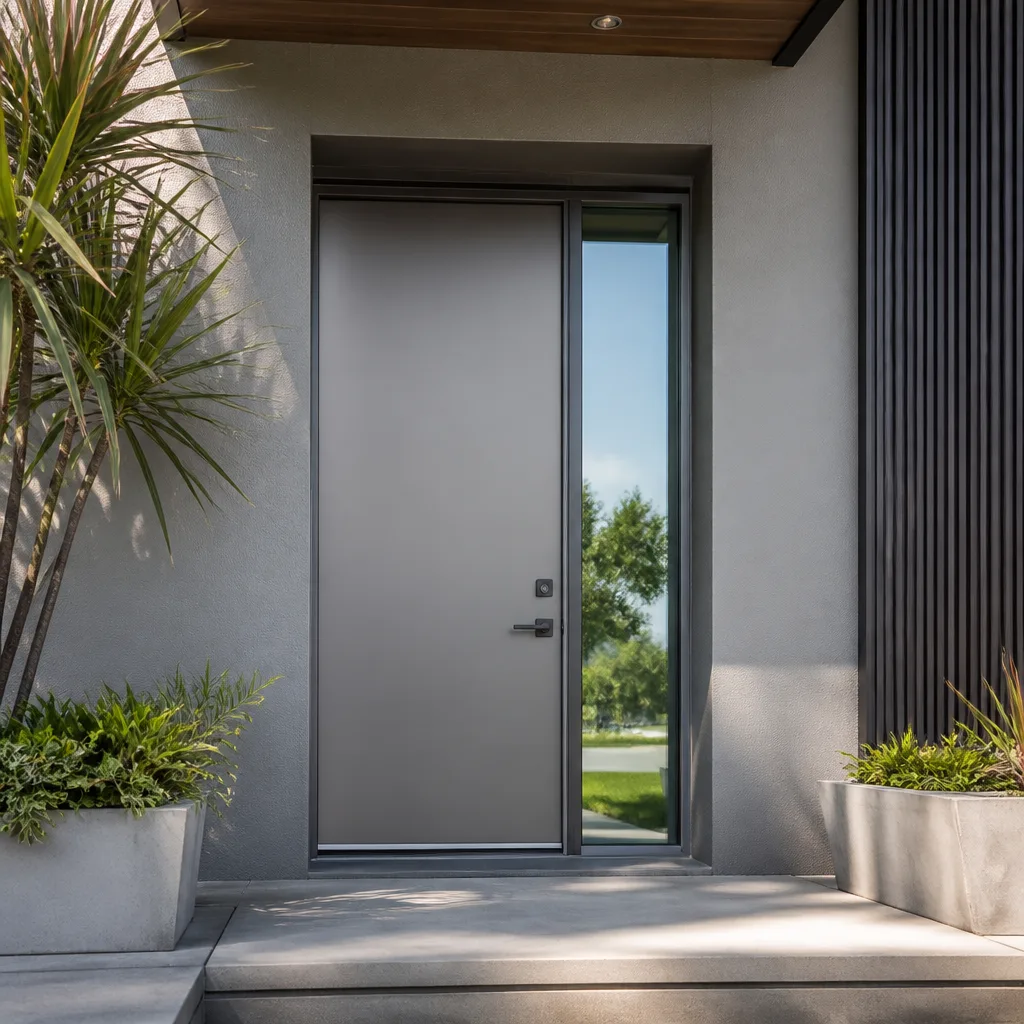
Call a licensed contractor when the project involves impact-rated products, multiple openings, structural modification, or any installation where permit compliance affects insurance coverage or property value. These conditions describe nearly every window and door project in Miami Lakes.
Specific scenarios where professional installation is clearly indicated: any opening in the HVHZ requiring impact resistance; projects where failed inspection would delay occupancy, sale, or insurance binding; installations on second stories or above where proper scaffolding and fall protection are required; custom or geometric shapes where field measurement and fabrication tolerance are critical; and any project where the homeowner cannot dedicate 80+ hours across multiple weeks to permit processing, installation, and inspection coordination.
Sightline Windows & Doors Miami Lakes offers free estimates in Miami Lakes. Our measured survey produces the written quote you keep, and that quote becomes the final invoice under Haven Clause 1. No change orders, no surprises. Call (786) 755-8730 to schedule your survey.
Frequently Asked Questions
Yes, under Florida Statute 489.103(7), but Miami-Dade County requires product-approval documentation, third-party structural inspection, and HVHZ compliance verification that most homeowners cannot complete without specialized knowledge. The legal right to self-contract does not eliminate the technical requirements for permit approval.
BORA permit fees for residential window replacement start at approximately $150 for the base application plus valuation-based fees that typically add $50-$150 for standard projects. Third-party structural inspection is separate and typically costs $400-$800 depending on opening count and inspector selection. Total permit and inspection cost for a 10-opening project: $600-$1,100. Call (786) 755-8730 for an exact quote - estimates are free.
BORA enforcement begins with notice of violation and requires permit application, inspection, and potential removal if work does not meet code. Fines start at $250 per opening. Unpermitted work must be disclosed at property sale and may affect windstorm insurance coverage. The cost of retroactive compliance typically exceeds original permit and professional installation cost.
At Sightline, the written price from the measured survey is the final price. Haven Clause 1 states that the measurement and the quote are the same document. We do not issue estimates that change at installation. If concealed conditions require additional work, we document the condition and obtain written approval before proceeding - no surprises.
A standard 10-opening replacement requires 2-3 working days for installation, preceded by 2-3 weeks for permit processing and product fabrication. Total elapsed time from contract to completion: 4-6 weeks. DIY projects typically extend to 8-12 weeks due to permit learning curve and inspection scheduling delays.
Sightline pulls all permits as part of our standard scope. We maintain current NOA libraries for all eight manufacturer lines, schedule third-party structural inspection, and coordinate BORA final inspection. The homeowner provides access and signature; we handle all documentation and compliance verification.
The Bottom Line
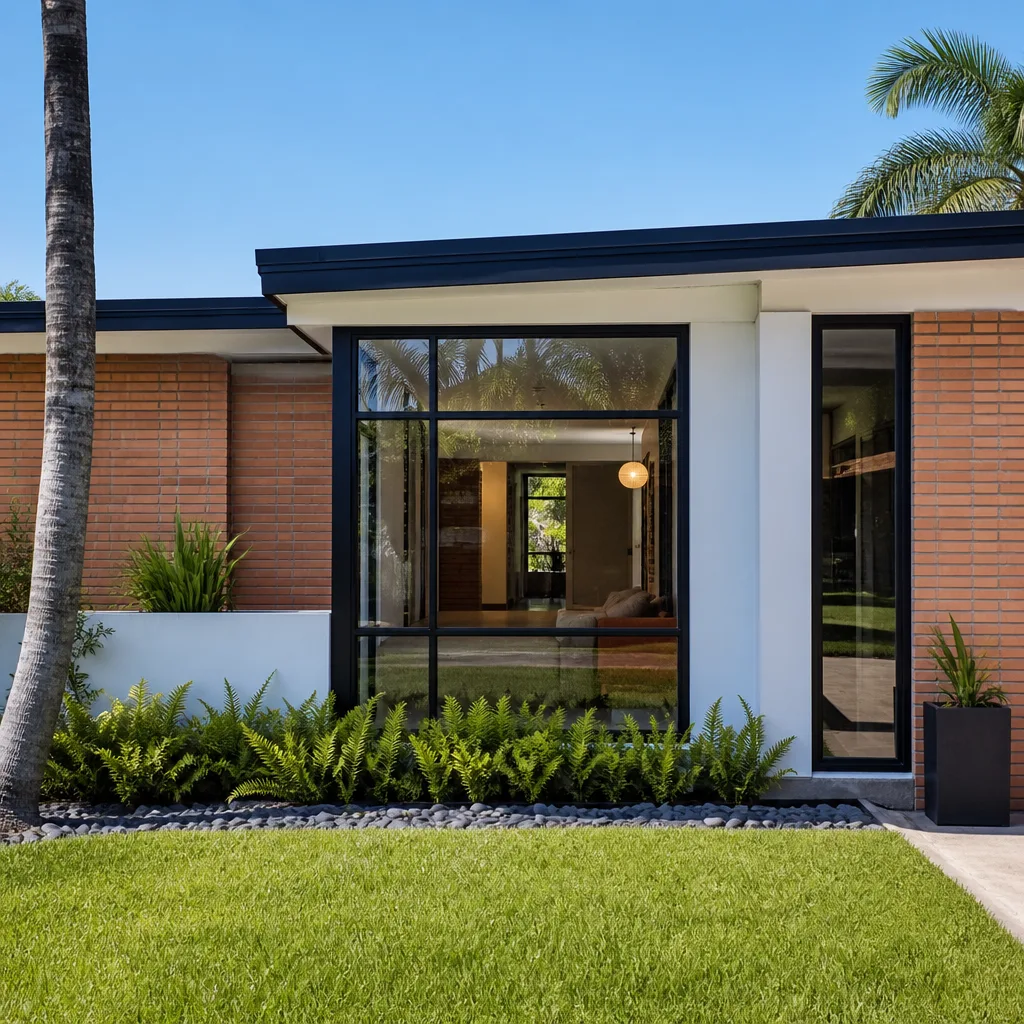
DIY window and door installation in Miami Lakes is legally permitted but practically constrained by Miami-Dade County’s product-approval documentation, mandatory third-party structural inspection, and HVHZ compliance requirements. The permit process alone demands 15-25 hours of specialized document work that assumes professional familiarity with NOA structures and Florida Building Code calculations. When imputed labor value, material cost at retail, inspection fees, and liability risk are fully accounted, professional installation from a licensed contractor with verified crews, documented photo records, and transferable warranties typically produces lower total cost and demonstrably lower risk.
The Haven Standard that governs every Sightline installation since 2012 was built on this documentation: written price before work starts, verified crews identified by license number, evidence on every job, and no surprises. For Miami Lakes homeowners who research every contractor before making contact, who read three-star reviews for the real story, and who want prices named in dollars on the page, that standard provides the specific facts that support the decision.
Call (786) 755-8730 to schedule your free estimate. We’ll review your openings, specify products by performance requirement from our verified manufacturer lines, and provide the written quote that becomes your final invoice.
Written by Sonia Raman, Owner at Sightline Windows & Doors Miami Lakes, serving Miami Lakes since 2012.