
Last updated September 24, 2026
Free in-home measure and quote - PGT, CGI and CWS impact lines compared on your actual openings, style by style
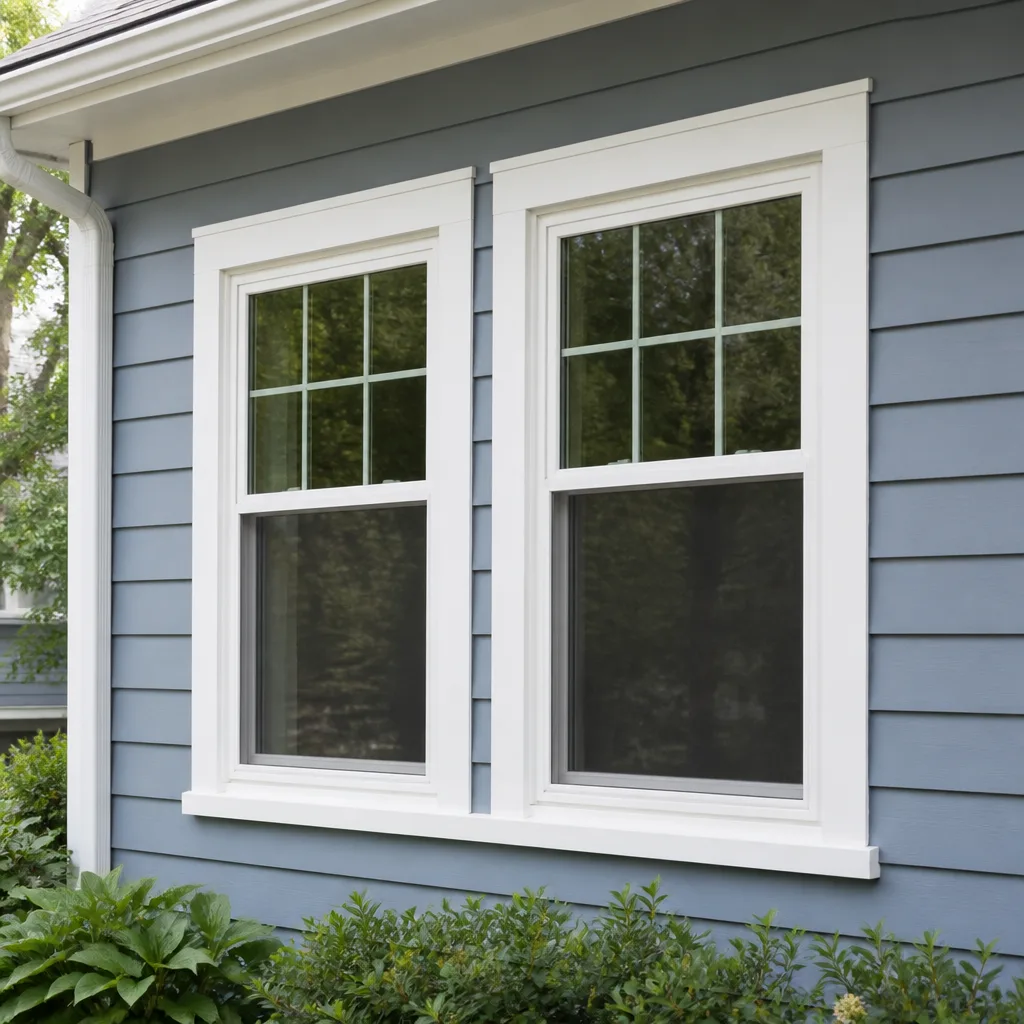
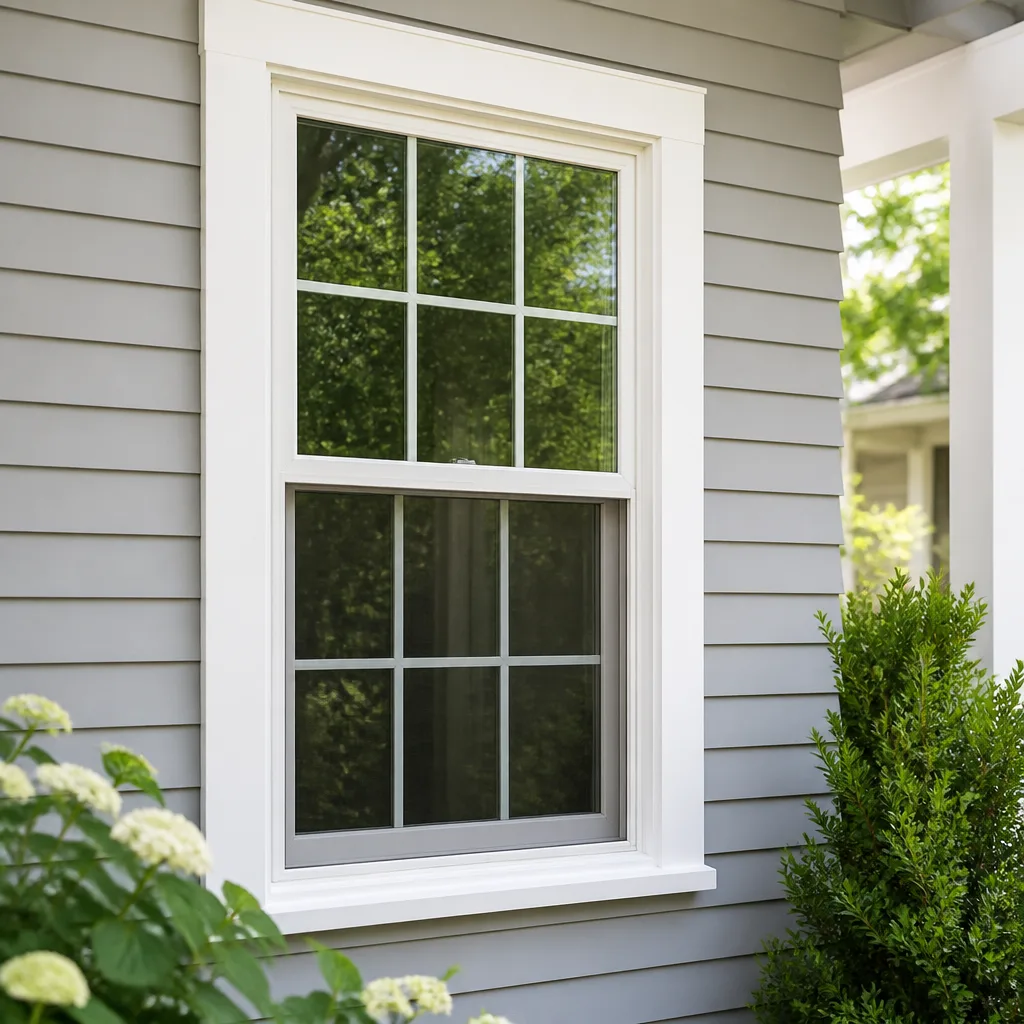
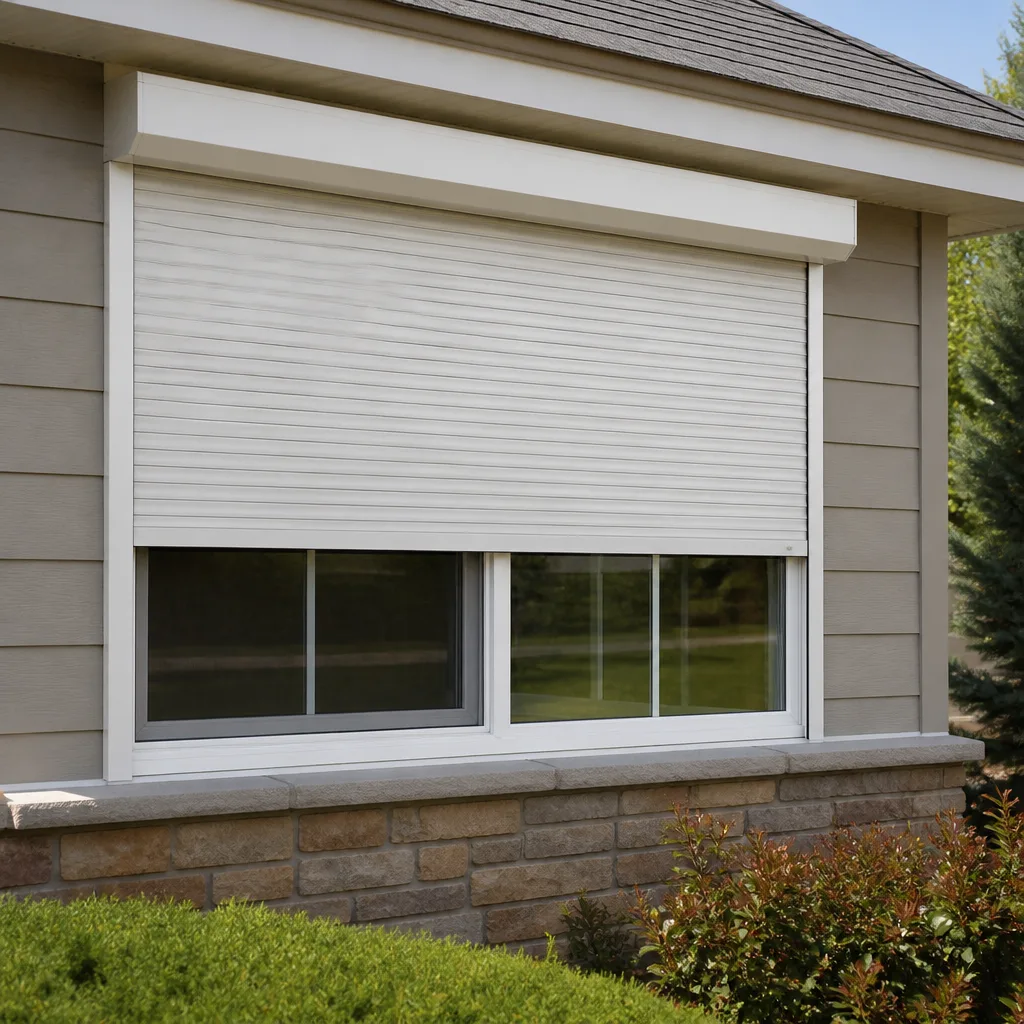
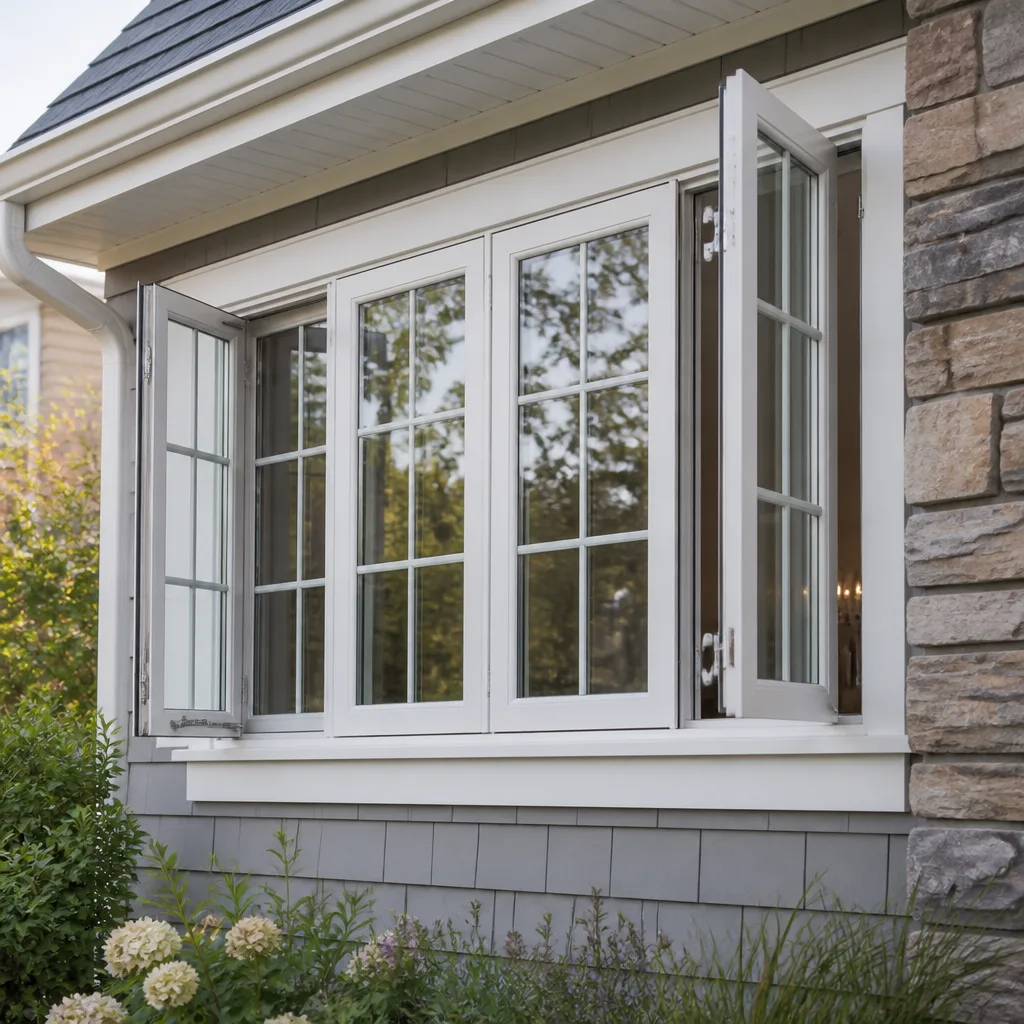
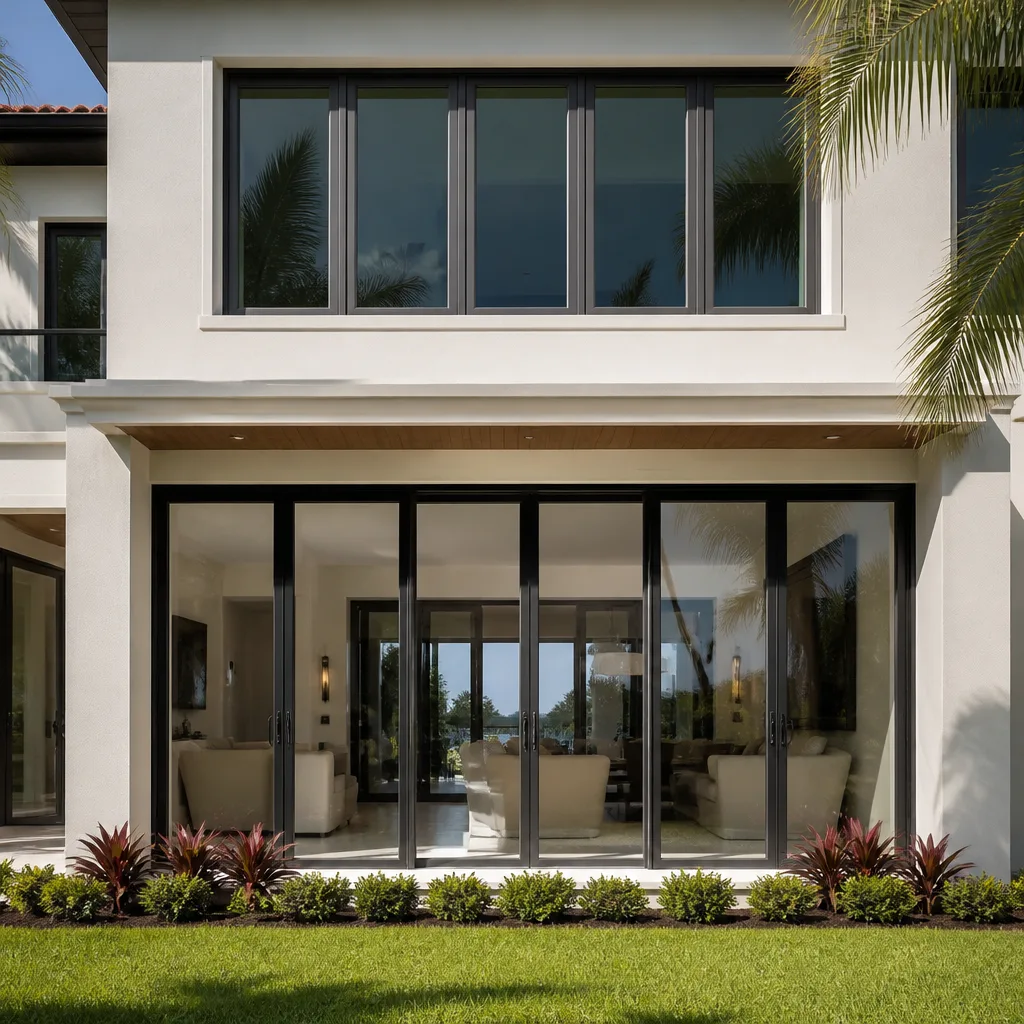
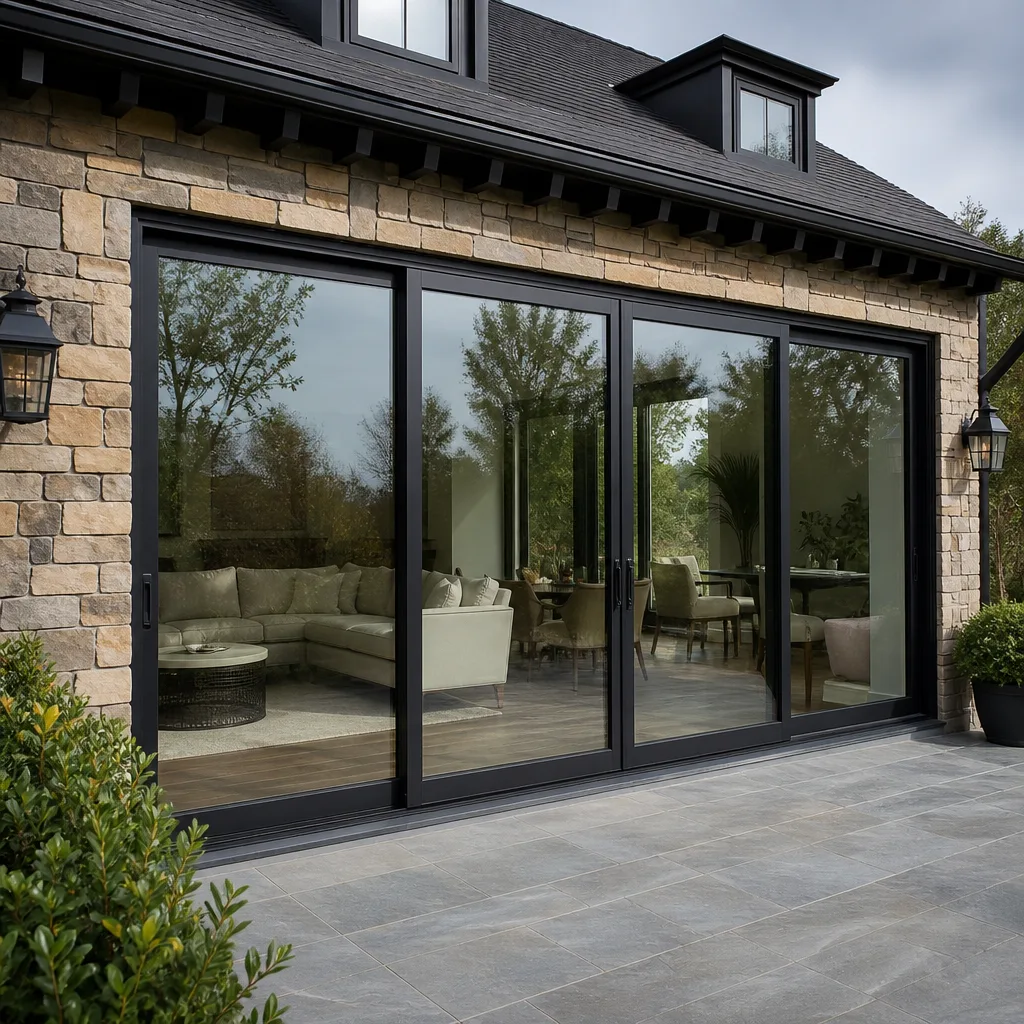
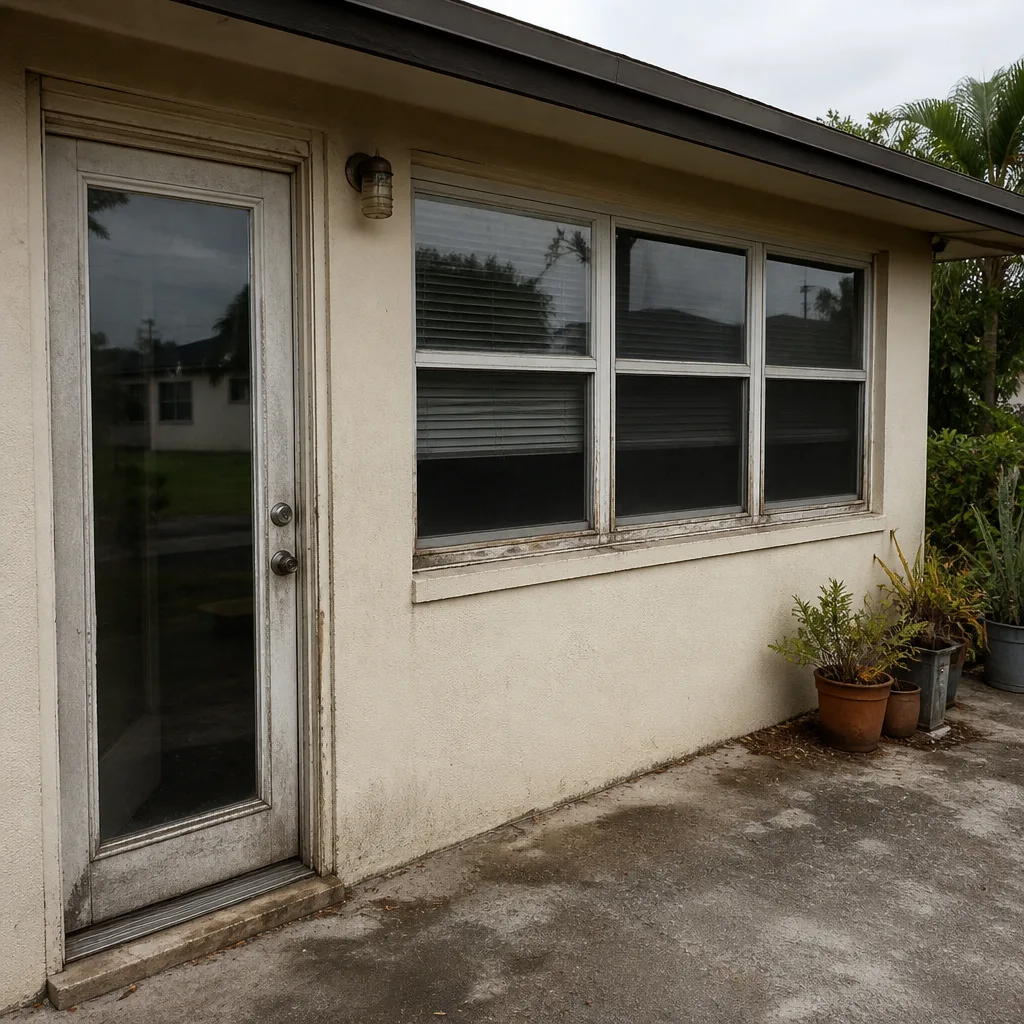 Before
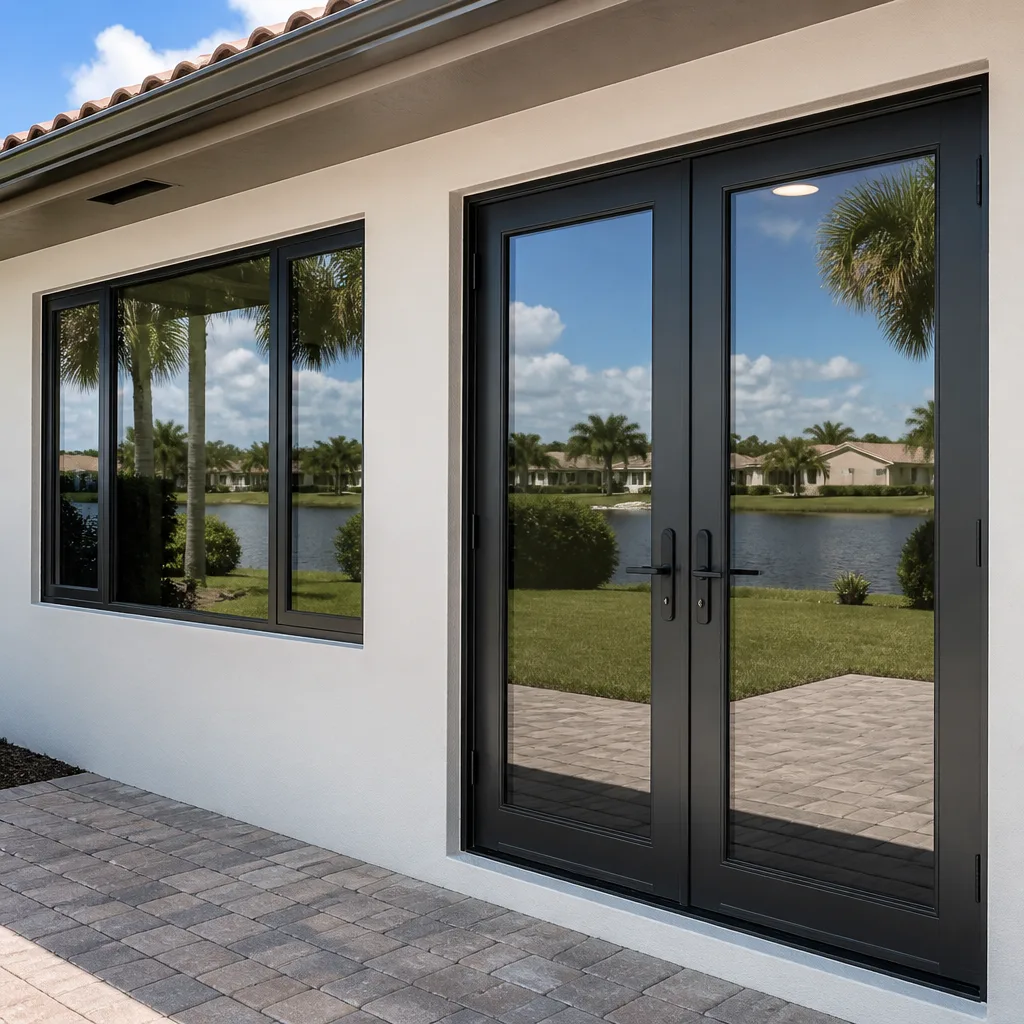 After
After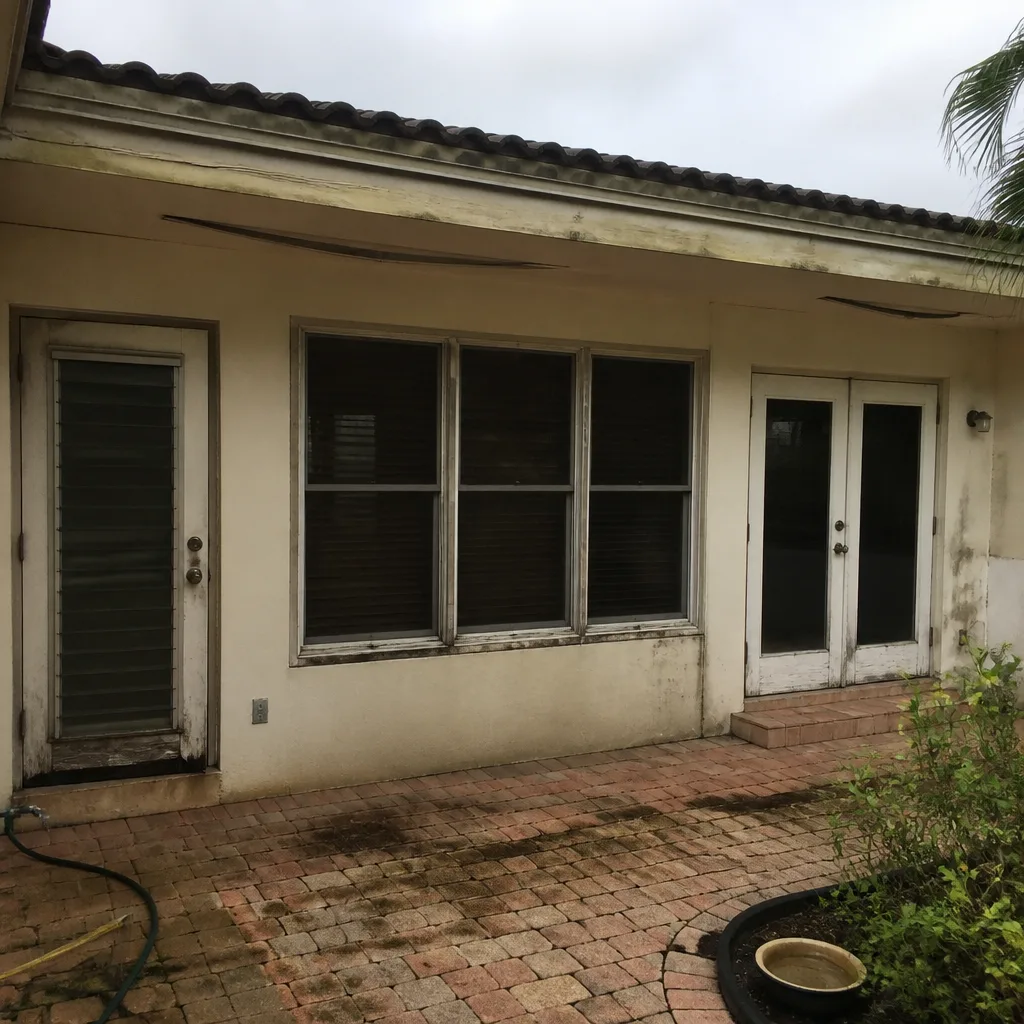 Before
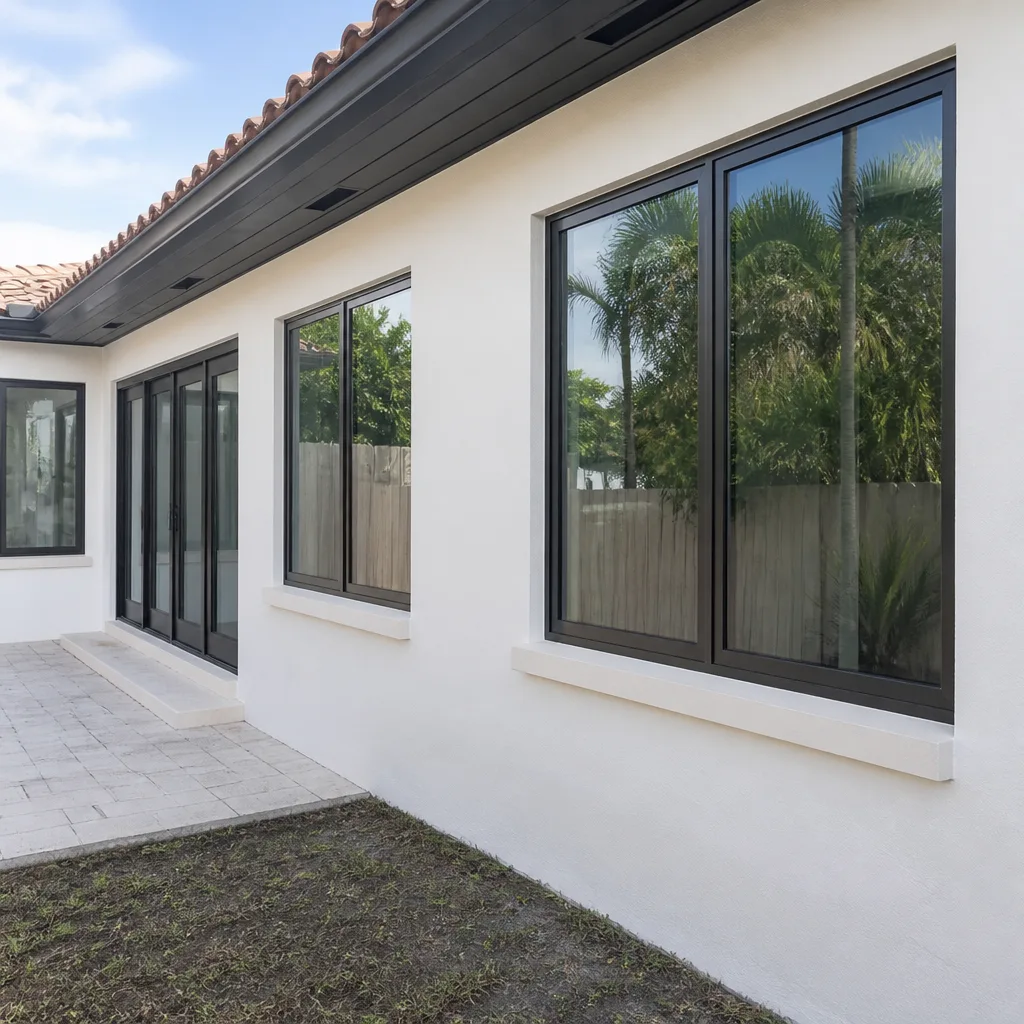 After
After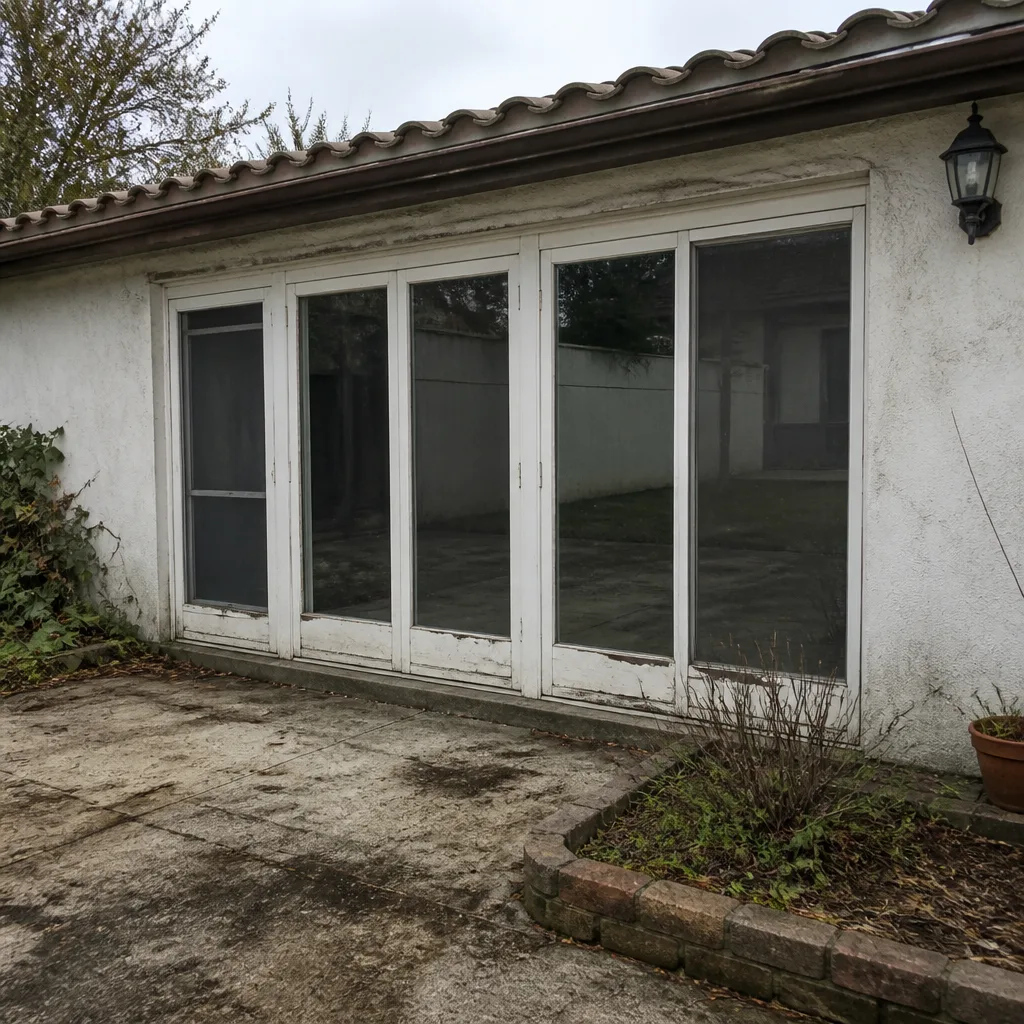 Before
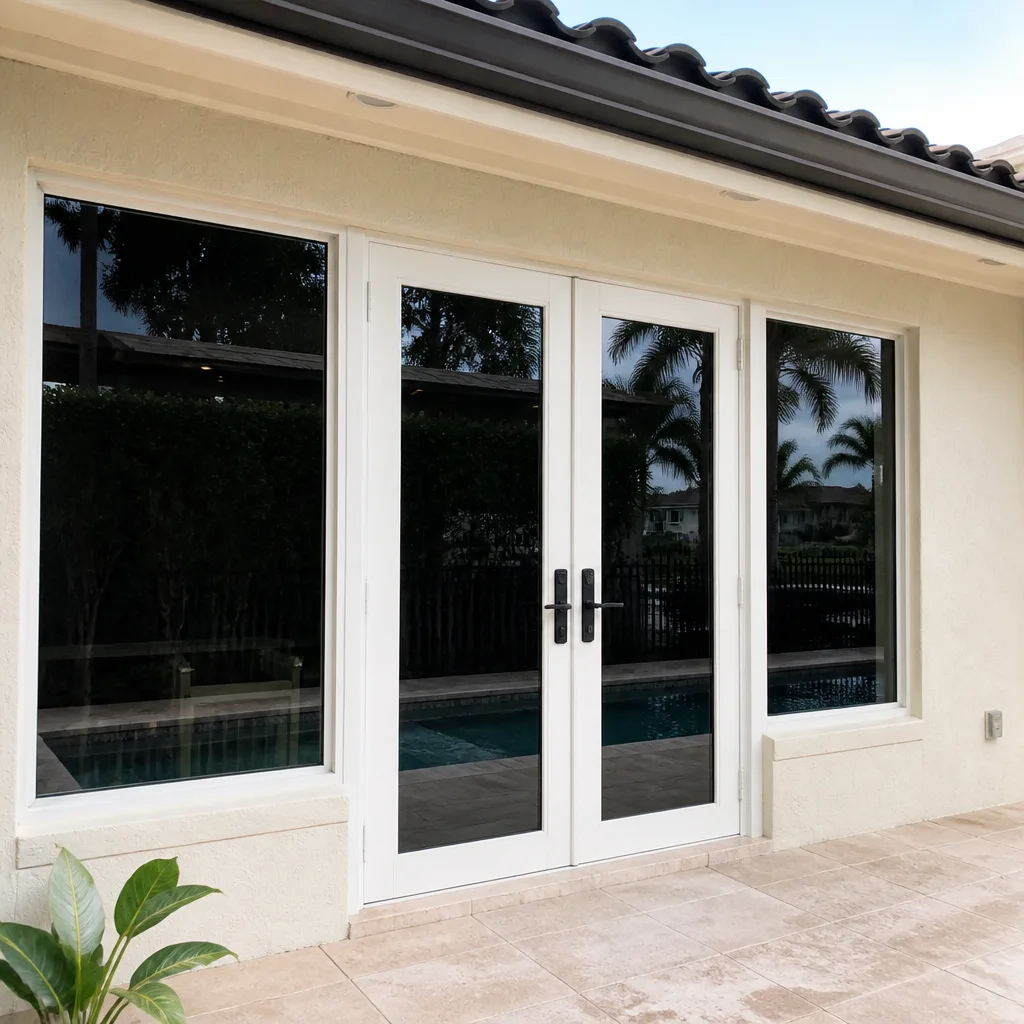 After
AfterSeasonal Windows & Doors Care for Miami Lakes: Year-Round Homeowner’s Guide
Miami-Dade averages 61 inches of rain per year, concentrated in a 6-month window from May through October. Impact window weep holes rated to drain 1 inch per hour of rainfall are routinely blocked by debris by mid-June, backing water into the rough opening before the homeowner notices a problem. In this guide and our Window Installation Maintenance Checklist for Miami Lakes Homeowners, you’ll learn how Miami Lakes’ two true seasons, wet and dry, damage windows and doors in entirely different ways, and how to build a maintenance calendar around our actual climate rather than a generic national template. We’ll cover the specific tasks that cut premature seal failure, the tools that work in coastal air, and when a thermal imaging app on your phone can save you from a $3,000 repair.
Quick Answer
Seasonal window and door care in Miami Lakes means preparing for two distinct climate stressors: a wet season (May-October) that drives water laterally through unsealed joints, and a dry season (November-April) that desiccates sealants and warps wood sub-bucks. A proper care calendar includes weep-hole clearing and sealant inspection in April, mid-season intrusion checks in July, and sealant flexibility testing with threshold sweep inspection in October. Impact-rated hardware should be lubricated and adjusted annually using silicone-based products, never petroleum-based, to prevent salt-air corrosion.
Table of Contents

- Pre-Wet-Season Task List: What to Do in April
- Mid-Wet-Season Check: Finding Water Before It Finds Your Drywall
- Pre-Dry-Season Task List: October Maintenance Before Humidity Drops
- Hurricane Preparedness: The Window and Door Audit
- Annual Hardware Cycle for Miami Lakes Salt-Air Exposure
- Product-Specific Care by Frame Material and Manufacturer
- Common Mistakes to Avoid
- When to Call a Professional
- Frequently Asked Questions
 Before
 After
AfterPre-Wet-Season Task List: What to Do in April
April in Miami Lakes is the last reliable window before the daily deluge begins. By the first week of May, afternoon thunderstorms become predictable enough to set a watch by. The maintenance you complete now determines whether your windows and doors survive the wet season intact or develop the slow leaks that rot out rough openings by September.
Weep-Hole Clearing by Frame Type
Weep holes are the small drainage ports at the bottom of window frames that allow water to exit the sill track. In Miami Lakes, they clog with a specific combination of palm pollen, Cuban laurel leaf fragments, and the fine grit that blows off construction sites during the dry months. A blocked weep hole turns a window designed to shed 8 inches of rain per hour into a bathtub holding water against your wall.
Clear weep holes using this method by frame material:
- Vinyl frames (PGT, CWS, ECO Window Systems): Weep holes are typically horizontal slots covered by a snap-in cover or flap. Remove the cover with a flathead screwdriver, flush with a bottle brush and warm water, then verify drainage by pouring 1 cup of water into the track. Water should exit within 10 seconds. Replace cracked or UV-brittled covers; they cost $2-4 each and prevent insect entry.
- Aluminum frames (CGI, ES Windows, ViewLux): Weep holes are often drilled circular ports, sometimes with a baffle. Use a pipe cleaner or compressed air at low pressure. Do not use a wire or drill bit; aluminum weep-hole edges burr easily, and a burr will trap debris permanently. Check that the baffle moves freely; salt air corrodes the pivot pin by year three in Miami Lakes.
- Impact-rated units with laminated glass (Mr-Glass, PGT WinGuard): These frames have more complex internal drainage channels because the laminated glass interlayer creates a secondary seal plane. Flush with water only; compressed air can force debris into the channel rather than out of it. If water pools after flushing, the internal channel may be blocked by failed sealant from a previous repair. This requires professional disassembly.
Sealant Inspection at Sill and Jamb
Inspect the exterior sealant bead where the window frame meets the wall. In Miami Lakes, the sealant sees 180+ days of direct UV annually, plus thermal cycling between 55°F winter lows and 95°F summer highs. This range causes expansion and contraction that fatigues the bead.
Look for these specific failure modes:
- Adhesive failure: The sealant pulls away from one surface, creating a gap you can slide a business card into. Common on south and west exposures where daily thermal swing is greatest.
- Cohesive failure: The sealant splits down its middle, leaving material on both surfaces but no continuous barrier. This indicates the sealant has aged past its elastic limit.
- Surface crazing: Fine cracks visible only when the surface is wet. Run a damp sponge across the bead; crazing becomes obvious.
Replace failed sealant with a neutral-cure silicone rated for exterior glazing applications. Polyurethane sealants degrade faster in Miami Lakes’ UV and are not recommended for window perimeters. A tube of proper sealant costs $8-12; professional re-sealing of a typical double-hung runs $180-280 in the Miami Lakes market. See our Windows & Doors Cost Breakdown: The Miami Lakes Homeowner’s Reference for 2026 for fuller pricing context.
Hardware Lubrication for Coastal Air
Lubricate all moving hardware with a silicone-based dry lubricant. Petroleum-based products, including WD-40 and lithium greases, attack EPDM weatherstripping and collect grit. In Miami Lakes’ salt air, petroleum residues also accelerate corrosion of stainless steel hardware by trapping chloride against the surface.
Apply lubricant to:
- Locking cams and keepers
- Friction hinges on casement windows
- Roller assemblies on sliding doors
- Multi-point lock bolt channels
Work the mechanism through 10 full cycles after application to distribute the lubricant. Wipe excess with a lint-free cloth; residue attracts debris.
Mid-Wet-Season Check: Finding Water Before It Finds Your Drywall

By July in Miami Lakes, the wet season has been active for two months. This is when latent installation defects reveal themselves, and when homeowner confusion between condensation and actual water intrusion costs thousands in misdirected repairs.
Condensation vs. Intrusion: The Thermal Imaging Method
Condensation forms on the interior surface of glass when humid outdoor air meets a cooled interior pane. True water intrusion enters through a breach in the frame, seal, or wall assembly. The distinction matters because condensation is a humidity control problem; intrusion is a structural repair.
A thermal imaging app on your smartphone can distinguish them. FLIR One, Seek Thermal, and similar apps use the phone’s camera with a thermal attachment, or simulate thermal imaging through edge detection in some models. For accurate results, scan on a sunny afternoon following a morning rain, when the temperature differential is greatest.
- Set up the scan: Close all windows and run air conditioning for 2 hours to establish a stable interior temperature of 72-75°F. Exterior surface temperature will be 85-95°F in July.
- Scan the window perimeter: Hold the phone 12-18 inches from the surface. A condensation pattern appears as a broad, relatively uniform cool area across the glass center, fading at the edges where the frame warms the glass. Intrusion appears as a discrete cold spot at a specific frame joint, sill corner, or hardware penetration, often with a linear trail following the path water takes through the assembly.
- Verify with moisture meter: A pin-type moisture meter reading above 18% in the drywall adjacent to a cold spot confirms active intrusion. Condensation will not elevate wall moisture above ambient, typically 10-14% in air-conditioned Miami Lakes homes.
If thermal imaging shows a cold spot at the sill with elevated wall moisture, the weep-hole system has failed or the sill pan was improperly installed. This requires professional repair; the rough opening may already contain saturated insulation.
What the Difference Means for Repair Urgency
| Condition | Thermal Signature | Moisture Meter Reading | Urgency | Action |
|---|---|---|---|---|
| Condensation | Broad, uniform cool area on glass | Wall: 10-14% | Monitor | Adjust humidity, verify HVAC drainage |
| Minor seal breach | Discrete cold spot at frame joint | Wall: 14-18% | 2-4 weeks | Re-seal exterior, monitor for change |
| Active intrusion | Cold spot with linear trail to wall | Wall: 18%+ | 48-72 hours | Professional opening inspection required |
| Failed sill pan/flashing | Cold spot at sill, spreading upward | Wall: 25%+ | Immediate | Window removal and rough opening repair |
In our experience across Miami Lakes, particularly in the Royal Oaks and Miami Lakes West subdivisions built during the 2015-2019 construction wave, failed sill pans account for 40% of mid-wet-season intrusion calls. The original installers often omitted the sill pan entirely or used a pan with an inadequate rear leg height for the 6-inch rainfall intensity Miami Lakes sees.
Pre-Dry-Season Task List: October Maintenance Before Humidity Drops
October in Miami Lakes brings a shift that damages windows and doors differently than the wet season. Relative humidity drops from 85% to 55%, and northeast winds carry salt rather than rain. Materials contract, sealants lose plasticity, and the gap between frame and wall opens.
Sealant Flexibility Test
Press the exterior sealant bead firmly with your thumb at three points: the center of the head, the center of each jamb, and both sill corners. Properly flexible sealant depresses 1/8 inch and rebounds within 2 seconds. Sealant that cracks, crumbles, or remains depressed has lost its elastic recovery.
Test on a morning when the frame surface temperature is below 80°F; hot sealant tests artificially soft. In Miami Lakes, October mornings average 75°F, ideal for this assessment.
Failed sealant in October is more critical than in April because the dry season contraction opens gaps wider. A 1/16-inch gap in October becomes a 1/8-inch gap by January when the frame reaches its minimum dimension. Wind-driven rain in November and December, common during frontal passages, penetrates these gaps directly.
Frame-Expansion Gap Measurement
Vinyl and aluminum frames expand and contract with temperature. The installation should include a gap between the frame and rough opening, filled with backer rod and sealant, that accommodates this movement. In Miami Lakes, the design gap for vinyl is 1/4 inch per 10 feet of frame width; for aluminum, 1/8 inch per 10 feet.
Measure the visible gap at the interior drywall return. If the gap has closed to zero at any point, the frame is binding against the opening. This causes:
- Operating sash difficulty or jamming
- Cracked glass from frame stress
- Buckled interior trim
A binding frame requires professional evaluation. The solution may be as simple as trimming backer rod or as involved as removing and reinstalling the unit with proper shimming.
Door Threshold Sweep Inspection
Inspect the door sweep, the flexible strip at the bottom of the door that seals against the threshold. In Miami Lakes, salt air hardens rubber sweeps in 18-24 months, and UV degrades the mounting screws.
Look for:
- Light visible under the closed door from the exterior side
- Sweep material that has lost its rectangular cross-section, becoming rounded or cracked
- Mounting screws that spin freely or have rust streaks
Replace sweeps with a model rated for coastal exposure; standard sweeps fail faster. A quality coastal-rated sweep costs $25-40; installation is straightforward on most entry doors. For door installation in Miami Lakes with integrated threshold systems, such as Therma-Tru’s adjustable sill models, sweep replacement may require specific factory parts.
Hurricane Preparedness: The Window and Door Audit
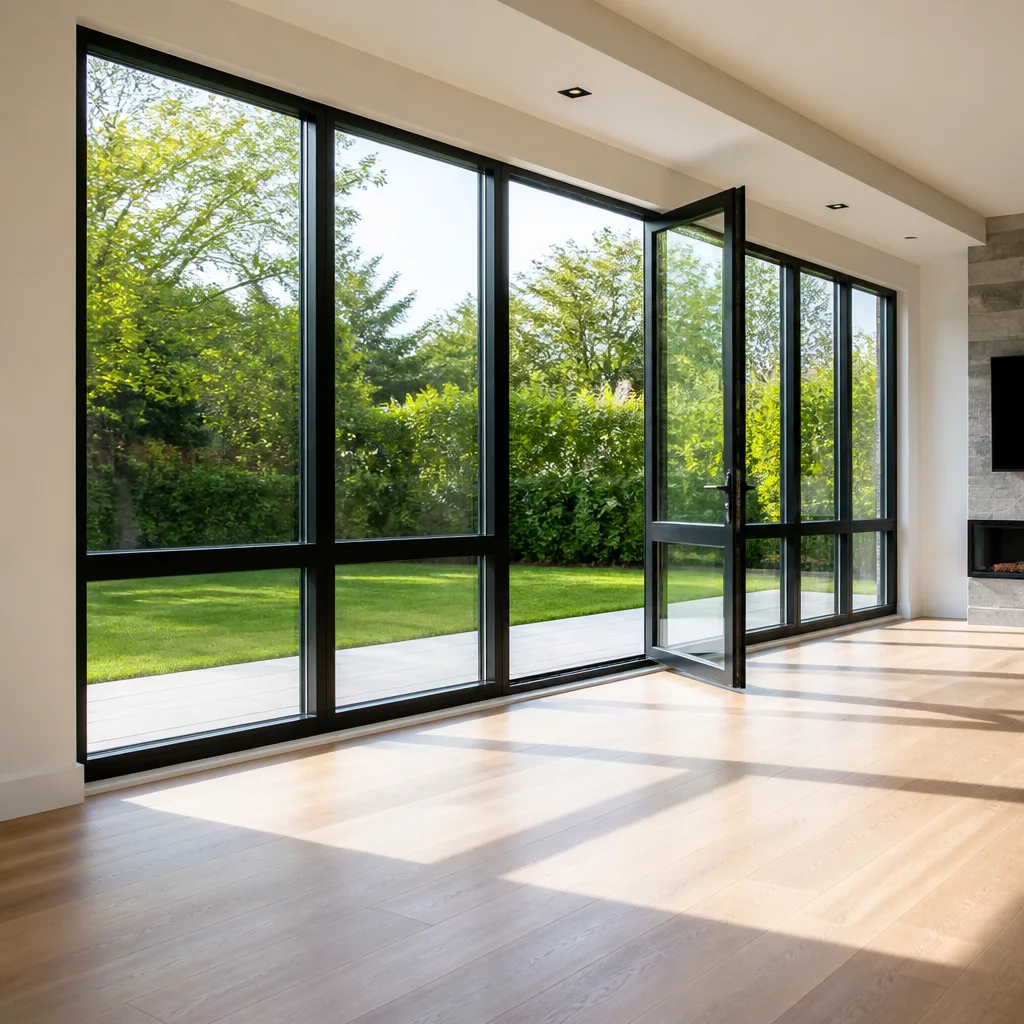
Miami Lakes lies in Miami-Dade County’s High-Velocity Hurricane Zone (HVHZ), where Windows & Doors Permits, Codes & Inspections in FL: What You Need to Know explains that the Florida Building Code requires impact-rated products or permanent shutter systems for all exterior openings. A proper audit verifies that your current protection matches your address’s specific risk profile.
What to Document
Create a written inventory with these items:
- Product labels: Photograph the AAMA or Florida Product Approval label on each window and door. The label includes the product series, approval number, and design pressure rating. Store digital copies in cloud storage accessible during evacuation.
- Installation date and contractor: Note who installed each unit and when. Installation quality affects performance as much as product rating; a properly rated window installed without structural fasteners at code-required spacing will fail.
- Condition photos: Document the frame, hardware, and surrounding wall for each opening. Update annually. After-claim disputes with insurers often hinge on whether damage was storm-related or pre-existing; dated photos resolve this.
Sightline provides a documented photo record on every visit as standard evidence under Haven Clause 4. If your current inventory lacks this documentation, we can generate it during a scheduled survey.
Confirming Impact Ratings Match Design Pressure Requirements
Design pressure (DP) is the structural load, in pounds per square foot, that a window or door must withstand. In Miami Lakes, required DP varies by:
- Building height (higher floors see greater wind pressure)
- Exposure category (proximity to open water or large cleared areas)
- Structural configuration (corners and edges experience higher loads than center-field walls)
A home in eastern Miami Lakes near Main Street, with exposure across the lake, may require DP-50 or higher. A home in western Miami Lakes, shielded by mature tree canopy and neighboring structures, may be approved at DP-35. The specific requirement for your address appears on the building permit or can be verified through Miami-Dade County’s online permit search.
Check your product labels against this requirement. If the installed DP is below the required level, the opening is not code-compliant regardless of the product’s impact rating. This is common in homes where a previous owner replaced windows without pulling permits, or where a contractor substituted a lower-rated product.
When to Call an Inspector
Call a licensed inspector or qualified window professional when:
- Product labels are missing or illegible
- The installed DP rating is below your address requirement
- You observe frame deformation, glass delamination, or hardware failure on any impact-rated unit
- Your home was built before 2002 and has not had a post-Andrew code upgrade assessment
Replacement with code-compliant products is not optional in Miami-Dade; it is a condition of continued insurance coverage for many carriers. Window replacement in Miami Lakes under these circumstances should include permit application, inspection scheduling, and a final approval letter.
Annual Hardware Cycle for Miami Lakes Salt-Air Exposure
Salt air in Miami Lakes accelerates hardware corrosion by a factor of 3-5 compared to inland Florida. Stainless steel that survives 15 years in Orlando may show pitting in 5 years here. An annual hardware cycle prevents the operational failures that strand homeowners with inoperable windows during storms.
Products to Avoid
Never use petroleum-based lubricants on EPDM weatherstripping or nylon rollers. The petroleum swells and degrades these materials, causing them to grip rather than slide. Within 6 months of petroleum application, a smooth-rolling slider becomes a jerky, binding operation.
Avoid on all window and door hardware:
- WD-40 (petroleum base, attracts grit, short-lived protection)
- Lithium grease (petroleum-derived, incompatible with EPDM)
- Marine grease (designed for submerged bearings, too viscous for window mechanisms)
Recommended Products and Application
| Component | Product Type | Application Interval | Notes |
|---|---|---|---|
| Locking cams, keepers | Silicone dry lubricant (DuPont, Blaster) | Annually, October | Apply, cycle 10 times, wipe excess |
| Friction hinges | Silicone spray with Teflon | Annually, October | Do not lubricate the friction pad itself; lubricate the pivot only |
| Roller assemblies | Silicone spray, light application | Every 6 months | Remove debris from track first; rollers bind on grit, not lack of lubricant |
| Multi-point lock channels | Graphite powder or silicone dry lube | Annually, October | Graphite preferred for enclosed channels where liquid carrier may pool |
| Weatherstripping | Silicone-based protectant (303 Aerospace) | Every 4 months | Prevents UV and ozone cracking; apply to clean, dry surface |
Multi-Point Lock Adjustment
Multi-point locks on patio doors and entry doors require adjustment as the door settles and the frame moves with seasonal humidity. In Miami Lakes, adjust annually in October, after the wet season swelling has peaked and before dry season contraction begins.
Check engagement at each locking point:
- Close the door and engage the lock. The handle should operate with moderate resistance; if it forces or grinds, the bolts are misaligned.
- Open the door and inspect each bolt. The bolt face should center in the keeper with 1/16-inch clearance on all sides.
- Adjust keeper positions using the slotted mounting holes. Move in the direction needed, retighten, and test.
- If the door has dropped on its hinges, causing bottom bolt misalignment, hinge adjustment or shimming is required. This is beyond homeowner maintenance; call a professional.
For door installation in Miami Lakes with multi-point systems from Therma-Tru or ViewLux, factory adjustment tools may be required. We carry these tools and include lock adjustment in our annual service visits.
Product-Specific Care by Frame Material and Manufacturer
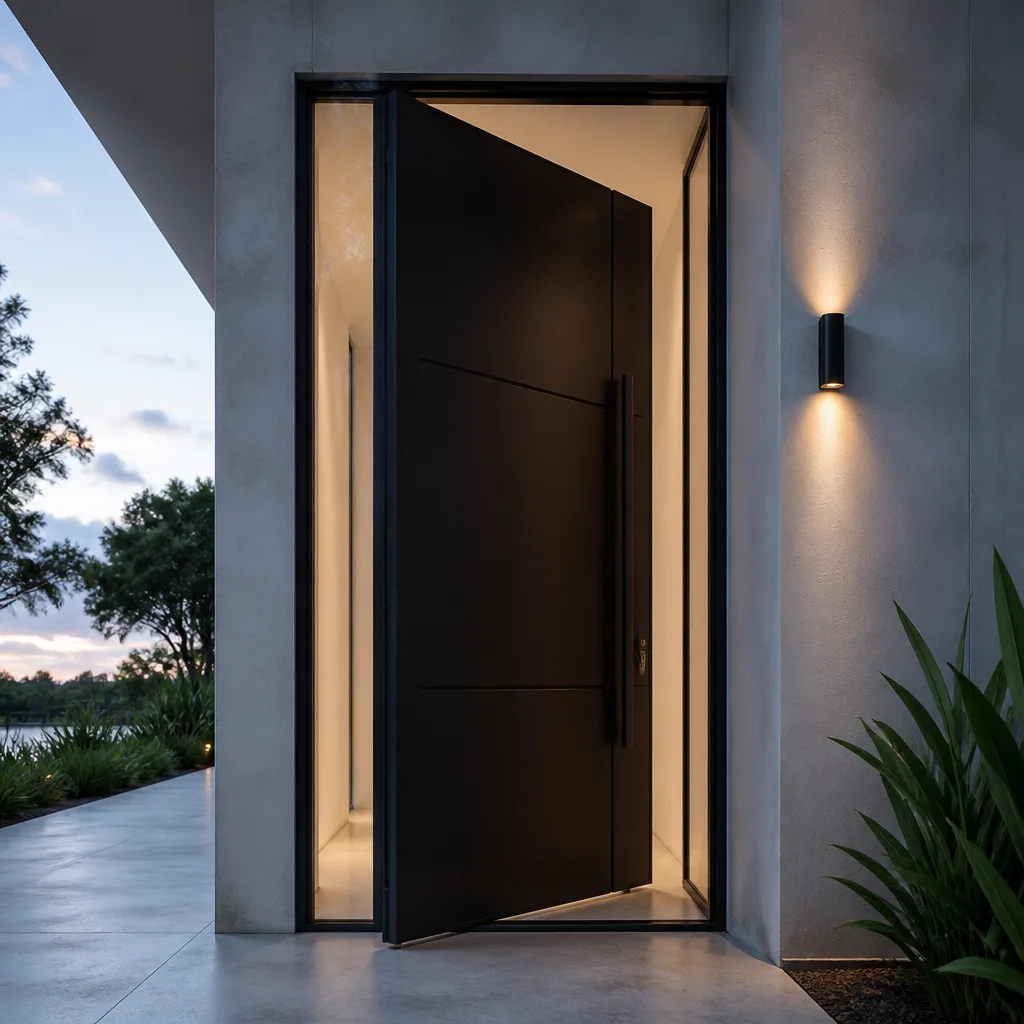
Different product lines installed in Miami Lakes require material-specific maintenance. The eight manufacturer lines we specify by performance tier and price range, not by margin, each have distinct care requirements.
Impact-Rated Vinyl (PGT WinGuard, CWS, ECO Window Systems)
Vinyl frames in Miami Lakes chalk faster than inland due to UV intensity. The white powder on the frame surface is degraded PVC, not dirt. Clean annually with a soft brush and mild detergent; abrasive cleaners or solvents remove plasticizers and accelerate embrittlement.
Laminated glass in impact units can develop edge delamination if water sits against the interlayer. This appears as a milky band 1/2 inch from the glass edge. Once started, delamination progresses inward and is not repairable. Prevent it by maintaining weep-hole function and avoiding sprinkler spray directly on windows.
Impact-Rated Aluminum (CGI, ES Windows, ViewLux)
Aluminum frames are anodized or painted. Anodized frames in coastal air develop a white powdery corrosion product at joints and fasteners. This is cosmetic if caught early; wire-brush lightly and apply a clear acrylic lacquer. Painted frames that bubble or flake require professional refinishing; exposed aluminum corrodes rapidly.
Thermal breaks in aluminum frames are polymer strips that separate interior and exterior metal. Do not puncture or drill through these breaks; doing so creates a thermal bridge and voids the energy performance warranty.
Entry Door Systems (Therma-Tru, Mr-Glass)
Fiberglass entry doors from Therma-Tru resist Miami Lakes’ humidity better than steel or wood, but the factory finish requires renewal every 3-5 years. UV degrades the topcoat; when water no longer beads on the surface, it’s time to recoat with a compatible polyurethane.
Mr-Glass impact entry units combine laminated glass with reinforced stiles. The glass edge seal is the critical point; inspect annually for separation between the glass and the door slab. A failing edge seal allows moisture into the laminated package, causing permanent clouding.
Common Mistakes to Avoid
- Pressure-washing window frames: High-pressure water forces past weatherstripping and into the frame cavity. In Miami Lakes, this water carries dissolved salts that corrode hardware from the inside. Use low-pressure rinse and brush cleaning instead.
- Caulking over old sealant without removal: New caulk adheres to old caulk, not to the frame or wall. The new layer releases within one wet season. Remove old sealant to bare substrate, prime if required, then apply new.
- Using household glass cleaner on coated glass: Low-E and reflective coatings are damaged by ammonia. Use a vinegar-water solution or manufacturer-recommended cleaner. In Miami Lakes, water spots from irrigation are common; remove them promptly before minerals etch the coating.
- Ignoring minor condensation as “just humidity”: Persistent condensation on the same window indicates a thermal bridge or failed insulated glass unit seal. In Miami Lakes homes with 2015-2019 construction, we’ve found failed IGU seals in 12% of units at year 6, well before the 10-year warranty period.
- Storing hurricane panels against window frames: Stored panels trap moisture and scratch finishes. Store vertically in a dry location; the 2 minutes of retrieval time is not worth frame damage.
- DIY impact window installation without permit: Miami-Dade requires permit and inspection for all impact product installations. Unpermitted work voids insurance coverage and creates disclosure liability on sale. The “savings” of skipping permit typically cost 3-4x at closing.
- Applying car wax to window frames: Carnauba and synthetic waxes contain petroleum distillates that degrade vinyl and painted finishes. Use only products specified for architectural coatings.
When to Call a Professional

Some conditions exceed homeowner maintenance and require documented professional repair. For more guides & resources, explore our blog. Call Sightline Windows & Doors Miami Lakes at (786) 755-8730 for a free estimate when you observe:
- Thermal imaging confirms active water intrusion with wall moisture above 18%
- Impact-rated glass shows delamination, edge separation, or impact damage
- Frame binding prevents normal operation or has cracked glass
- Multi-point lock bolts no longer align after adjustment attempt
- Product labels indicate installed DP below your address requirement
- Any condition where you need a documented photo record for insurance or warranty purposes
Every Sightline survey produces a measured document the customer keeps, and the written quote cannot differ from that document under Haven Clause 1. Our technicians are background-checked, uniformed, and identified by license number before arrival, per Haven Clause 3.
Frequently Asked Questions
Professional re-sealing of a typical double-hung window in Miami Lakes runs $180-280 per opening, including removal of old sealant, substrate preparation, and application of coastal-rated silicone. A full-home re-seal for a 2,000-square-foot house with 15-18 openings typically ranges $2,700-4,500. Call (786) 755-8730 for a written quote specific to your home; estimates are free and include a documented photo record.
No. Sightline’s written price before any work starts is Haven Clause 1 of the Haven Standard. The measured survey we complete during estimation becomes the scope document; the quote derived from it is fixed. If we encounter concealed damage, we document it, stop work, and present a revised scope with a new fixed price before continuing. No change orders mid-job.
Impact windows in Miami Lakes should receive homeowner inspection twice yearly, in April and October, with professional inspection every 3-5 years or after any named storm passage. The wet-season inspection focuses on drainage and seal integrity; the dry-season inspection focuses on hardware function and frame movement. Homes within 2 miles of open water, including properties near Miami Lakes’ eastern lakes and canals, should inspect annually due to higher salt exposure.
Yes. Sightline pulls all required permits and schedules inspections for every installation. Miami-Dade County requires permits for all impact product installations and most non-impact replacements. We include permit costs in the written quote, not as a surprise addition. The final inspection approval letter is delivered with the completed job documentation.
No. Pressure washing forces water past weatherstripping and into frame cavities, where it corrodes hardware and saturates insulation. In Miami Lakes, pressure-washed windows show accelerated hardware failure within 18 months. Use a soft brush, mild detergent, and low-pressure garden hose rinse instead. For second-story units, hire a window cleaner who uses pure-water pole systems without pressure.
A standard replacement window installation takes 4-6 hours per opening, including removal, rough opening repair, new unit installation, and interior trim. A full-home replacement of 15-18 openings typically spans 3-5 working days. Entry door replacement takes 6-8 hours for a standard unit, 1-2 days for impact-rated units with sidelights or transoms. We provide a specific schedule in the written scope before work begins, with arrival times confirmed by live phone call the morning of.
The Bottom Line
Miami Lakes’ two-season climate demands a maintenance calendar built for wet-season water intrusion and dry-season material contraction, not a generic four-season template. Clear weep holes in April, verify sealant flexibility in October, and use thermal imaging in July to catch intrusion before it reaches drywall. Lubricate hardware annually with silicone-based products, never petroleum, and document your impact ratings against your address’s design pressure requirements. The cost of prevention, measured in hours and $8-12 tubes of sealant, is negligible against the cost of rough opening repair or full replacement. For conditions beyond homeowner maintenance, Sightline provides written pricing before any work starts, documented photo records on every visit, and the 365-Day Done Right Promise stamped on every job under the Haven Standard.
Call (786) 755-8730 to schedule your free estimate. A live person answers, 24/7.
Written by Sonia Raman, Owner at Sightline Windows & Doors Miami Lakes, serving Miami Lakes since 2012.